
Selecting outdoor solar Christmas lights that can survive the demanding Philippine rainy season requires looking beyond decorative appeal. The combination of intense tropical sunlight, high humidity, and sudden torrential downpours can quickly ruin standard decorative lighting. To ensure your holiday display remains bright and safe throughout the festive season, you must prioritize high Ingress Protection (IP) ratings, UV-stabilized materials, and robust battery systems. By verifying these specifications on product labels and choosing the right installation strategies, you can enjoy a reliable, energy-efficient display that withstands the elements year after year.
Understanding IP Waterproof Ratings for Tropical Rain
The Ingress Protection (IP) rating is the most critical specification to check when selecting outdoor solar Christmas lights. This standard rating system consists of two digits that indicate how well the light fixture prevents solids and liquids from entering its internal electrical components. The first digit, ranging from zero to six, measures protection against solid objects like dust and dirt. The second digit, ranging from zero to nine, measures protection against moisture and water. For outdoor holiday decorations exposed to the unpredictable tropical weather of the Philippines, understanding these numbers is essential to preventing short circuits.
An IP44 rating is common for many entry-level outdoor lights, indicating protection against solid objects larger than one millimeter and splashes of water from any direction. While this is suitable for sheltered outdoor spaces such as covered patios, verandas, or under deep roof eaves, it is generally insufficient for fully exposed garden areas. Heavy monsoon rains and wind-driven downpours can easily force water past the seals of an IP44-rated enclosure, leading to immediate failure or gradual corrosion of the internal circuitry.
Products mentioned in this guide
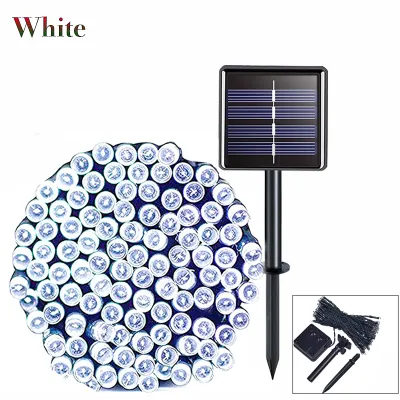
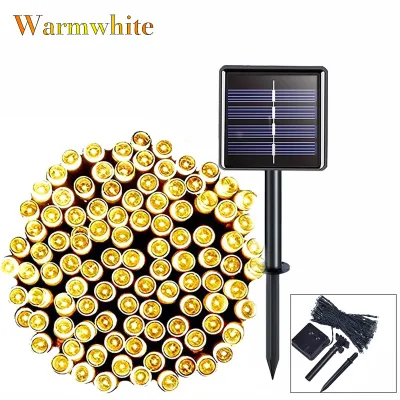
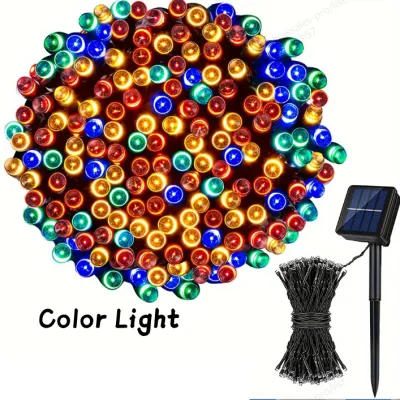
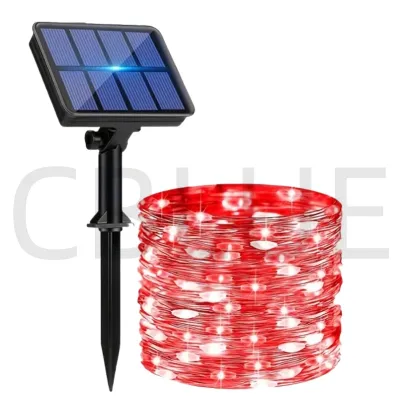
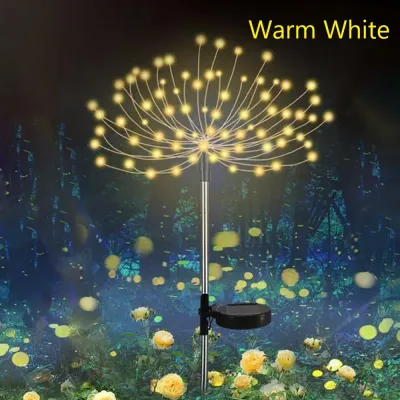
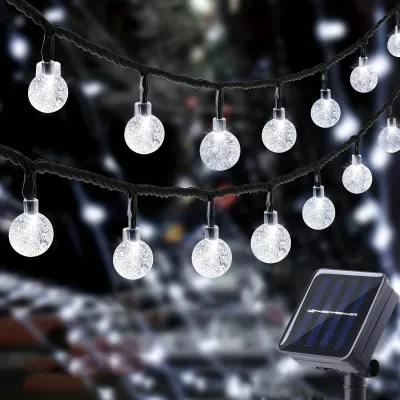
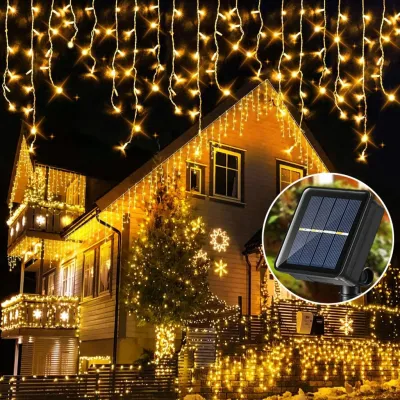
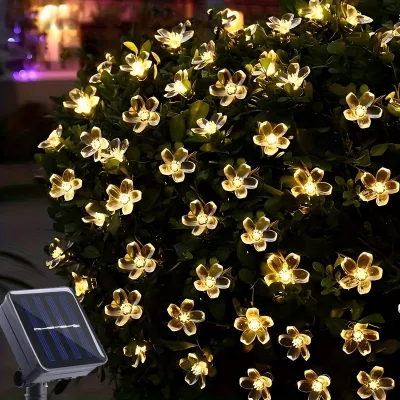
Prices are valid at publication and may change. Please refer to the product page for the latest price.
For lights that will be fully exposed to the elements—such as those draped over garden trees, wrapped around gate posts, or lined along open fences—look for a minimum rating of IP65. An IP65 rating signifies that the product is completely dust-tight and can withstand low-pressure water jets from any angle. This level of protection ensures that even during intense tropical storms, rainwater cannot penetrate the light housings or the solar panel enclosure.
In low-lying garden areas where temporary water pooling is common, or where lights might be partially submerged during heavy downpours, an IP67 rating offers the highest level of security. IP67-rated equipment can withstand temporary immersion in water up to one meter deep for a limited duration. While IP67 lights are typically more expensive, they provide peace of mind for ground-level installations. Always verify the IP rating on the product packaging or the manufacturer’s specification sheet before purchasing, and avoid any outdoor lights that do not explicitly state their IP rating.
Evaluating Material Durability Against High Humidity and UV Exposure
The tropical climate of the Philippines subjects outdoor decorations to extreme environmental stress. Before the heavy rains of the wet season arrive, outdoor lights must endure hours of intense, direct sunlight and high ultraviolet (UV) radiation. This constant exposure can degrade low-quality plastics and rubber, causing them to become brittle, crack, and lose their waterproof properties. Therefore, evaluating the materials used in the construction of the light strings, solar panels, and mounting hardware is just as important as checking the waterproof rating.

When examining the light cables, look for labels indicating the use of UV-resistant PVC or heavy-duty rubber compounds. Standard plastic insulation can degrade rapidly under the tropical sun, leading to micro-cracks that allow moisture to seep directly into the copper wiring. Rubber-insulated cables tend to retain their flexibility and structural integrity much better over time, resisting both UV degradation and the physical stress caused by wind. If you are purchasing from an online marketplace or a local hardware store, check the product description for terms like “UV-stabilized” or “weather-resistant outdoor cable.”
The housings for the individual LEDs and the solar panel itself must also be made of durable materials. Cheap, untreated plastics will quickly yellow and become cloudy when exposed to UV rays. This yellowing not only looks unsightly but also reduces the amount of light emitted by the LEDs and blocks sunlight from reaching the solar cells inside the panel, drastically reducing charging efficiency. Opt for light covers made of polycarbonate, anti-UV treated acrylic, or tempered glass, which maintain their clarity and strength despite prolonged sun exposure.
Metal components are another common failure point in high-humidity environments. Screws, mounting brackets, hanging hooks, and the internal contacts of the battery compartment are highly susceptible to rust. Rust can weaken structural supports and disrupt electrical connections, causing the lights to fail prematurely. Look for fixtures that utilize stainless steel, brass, or specially treated rust-proof metals for all exposed hardware. When inspecting the battery compartment, ensure the spring contacts are clean and coated with a corrosion-resistant finish.
Sizing the Solar Panel and Battery for Cloudy and Rainy Days
A common concern with solar-powered lighting during the Philippine rainy season is whether the system can generate and store enough power during overcast days. Because solar panels rely on sunlight to generate electricity, prolonged periods of cloud cover and rain will naturally reduce the amount of energy collected. To overcome this challenge, you must select a system with a properly sized solar panel and a high-capacity battery that can store sufficient energy to bridge the gaps between sunny days.
Start by evaluating the physical size and type of the solar panel relative to the number of LEDs on the string. A larger solar panel surface area allows the system to capture more diffused light even when the sky is completely overcast. Monocrystalline solar panels are generally preferred over polycrystalline panels for tropical wet seasons because they offer higher energy conversion efficiency, especially in low-light and high-temperature conditions. While they may carry a slightly higher initial cost, monocrystalline panels are much better at squeezing usable energy out of a gray, cloudy sky.
The battery chemistry and capacity are equally critical for reliable wet-season performance. Look for systems equipped with Lithium Iron Phosphate (LiFePO4) batteries rather than older Nickel-Cadmium (NiCd) or standard Nickel-Metal Hydride (NiMH) options. LiFePO4 batteries offer superior thermal stability, which is vital in the hot and humid Philippine climate, and they can withstand significantly more charge-discharge cycles before degrading. Additionally, check if the battery compartment is designed to allow user replacement; being able to swap out a worn-out battery after a few seasons extends the life of your entire light set.
To maximize the efficiency of your stored power, look for solar lights that feature smart power management systems. Many modern outdoor solar lights include dual-mode switches, built-in light sensors, and automatic timers. Some advanced models offer energy-saving modes that automatically dim the LEDs slightly when the battery charge is low, or allow you to select a timer setting (such as four, six, or eight hours of operation) rather than running the lights until the battery is completely drained. These features help conserve precious battery power during consecutive rainy days, ensuring your holiday display remains active when it matters most.
Installation and Placement Strategies for Maximum Weather Resistance
Even the highest-quality weatherproof solar lights can fail if they are installed incorrectly. Proper placement and mounting techniques are essential to protect your investment from physical damage and to optimize energy collection during the wet season. When planning your outdoor holiday display, take the time to position each component carefully to minimize exposure to harsh weather conditions.
The placement and angle of the solar panel are critical for both charging efficiency and water shedding. Mount the solar panel in an open area that receives the maximum possible amount of unobstructed daylight, away from the shadows of trees, roof overhangs, or walls. Angle the panel at a tilt of approximately 15 to 30 degrees rather than mounting it completely flat. This tilt prevents rainwater from pooling on the surface of the panel, which can leave behind mineral deposits and dirt that block sunlight. The angled position allows rainwater to run off naturally, creating a self-cleaning effect that washes away dust and debris.
When hanging the light strings, avoid putting excessive physical tension on the cables, connectors, and mounting points. Strong winds during tropical depressions can pull tightly stretched wires, leading to frayed connections or torn insulation. Use insulated, outdoor-rated cable ties, plastic mounting clips, or specialized gutter hooks to secure the wires. Never use metal staples, nails, or tacks, as these can easily pierce the protective outer jacket of the cable and create a direct path for water to enter, causing a short circuit. Leave a small amount of slack in the wire loops to allow them to sway gently in the wind without straining the connections.
Before finalizing your installation, perform a thorough check of all seals and connections. Ensure that any screw-on waterproof connectors between the light string and the solar panel are tightened securely. If the manufacturer’s instructions permit, you can apply a layer of outdoor-rated waterproof silicone tape or a small amount of dielectric grease to the connection joints to provide an extra barrier against moisture. Always make sure the power is isolated and the system is turned off before handling any electrical connections or working at heights.
Maintenance and Troubleshooting During the Wet Season
Regular maintenance is key to keeping your outdoor solar Christmas lights functioning reliably throughout the rainy season. Because these systems operate entirely outdoors, they are constantly exposed to environmental contaminants that can degrade their performance over time. A simple, routine maintenance schedule can prevent common issues and extend the lifespan of your holiday display.
Establish a weekly routine to inspect and clean your solar panels. Use a soft, damp microfiber cloth to gently wipe away accumulated dirt, dust, pollen, and dried water spots from the panel’s surface. Avoid using abrasive sponges, harsh chemical cleaners, or detergents, as these can scratch or degrade the protective coating of the solar panel, permanently reducing its light absorption capability. Keeping the panel clean ensures that it can capture every bit of available sunlight during short breaks in the rain.
If your solar lights begin to flicker, dim prematurely, or fail to turn on at night, follow a systematic troubleshooting process. First, verify that the solar panel is not being shaded by newly grown foliage or temporary outdoor obstructions. Next, inspect the battery compartment for any signs of moisture ingress or white, powdery corrosion on the metal contacts. If you find light corrosion, turn off the device, remove the battery, and gently clean the contacts with a dry cotton swab or a small, stiff brush. Check the entire length of the light string for any visible signs of physical damage, such as wire fraying, cuts from garden tools, or damage from pests.
Knowing when to stop troubleshooting and replace components is vital for electrical safety. If you discover exposed copper wires, cracked plastic housings that allow water to reach the LEDs, or severe water accumulation inside the solar panel enclosure, do not attempt to patch or reuse those parts. Operating damaged electrical equipment in wet outdoor environments poses a serious risk of short circuits and electrical hazards. Disconnect the damaged section immediately and replace it with compatible, manufacturer-approved parts to ensure your outdoor holiday display remains safe for your home and family.
Frequently Asked Questions (FAQ)
Can I leave solar Christmas lights outside during a typhoon?
No, you should not leave solar Christmas lights outside during a typhoon or severe tropical storm. While high-quality lights are designed to withstand heavy rain, the extreme wind speeds of a typhoon can easily tear the cables from their mounts, shatter the solar panels, or turn the light strings into dangerous flying debris. Always check your product manual for specific wind resistance limits, and make it a habit to take down and store your outdoor lights in a safe, dry indoor location whenever a typhoon warning is active in your area.
Do solar lights work in the Philippines during the rainy season?
Yes, solar lights will still function during the rainy season in the Philippines, but their runtime and brightness will be reduced compared to the sunny summer months. Solar panels do not require direct sunlight to charge; they can still absorb diffused light through clouds and rain. However, because the energy output is lower on overcast days, the battery may not reach a full charge. To ensure your lights stay on longer, choose models with high-efficiency monocrystalline panels, larger battery capacities, and energy-saving modes that conserve power.
How do I know if the battery needs replacing after the wet season?
You can tell if the battery needs replacing if the lights take an unusually long time to charge, stay illuminated for only a very short period (such as less than an hour) even after a relatively clear day, or fail to turn on at all. To confirm, open the battery compartment and inspect the battery for physical signs of degradation, such as swelling, leaking fluid, or white corrosion on the terminals. If you observe these issues, replace the battery with a new one that matches the exact voltage, chemistry, and capacity specifications recommended by the manufacturer.

Community discussion
Share your experience or ask a question. Comments are reviewed before publication.