
To survive the demanding Philippine rainy season—characterized by torrential monsoon downpours, high humidity, and intense tropical heat—outdoor solar step lights must feature a minimum ingress protection rating of IP65, corrosion-resistant housings like UV-stabilized ABS plastic or anodized aluminum, and robust silicone seals. Relying on generic “waterproof” claims often leads to premature failure within a single season. Choosing the right solar step lights outdoor fixtures requires looking closely at technical specifications, material compositions, and internal sealing mechanisms to ensure your pathways remain safely illuminated throughout the wettest months of the year.
Why the Tropical Rainy Season Demands Specific Solar Step Lights
The Philippine climate presents a harsh operating environment for outdoor electronic devices. During the southwest monsoon (habagat) and the annual typhoon season, outdoor fixtures face hours of relentless, driving rain coupled with near-saturation humidity levels. These conditions do not merely wet the surface of a light; they create a high-vapor-pressure environment that actively forces moisture into any microscopic gap in the casing.
When temperature fluctuations occur—such as a sudden, heavy downpour cooling down a fixture baked by the tropical sun—the air inside the light housing contracts. This temperature differential creates a vacuum effect, drawing humid air or standing water through weak seals. Once inside, this moisture condenses into water droplets, leading to rapid electronic degradation.
Products mentioned in this guide
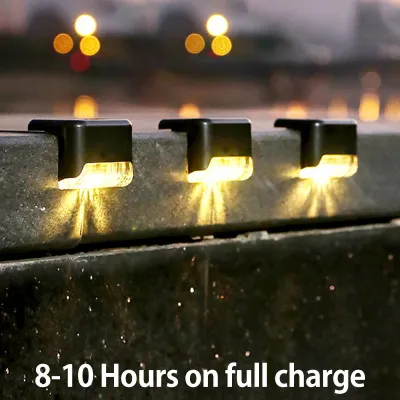
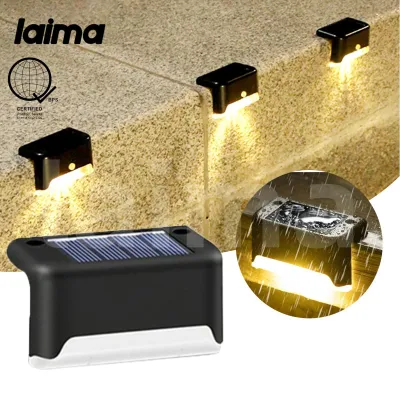
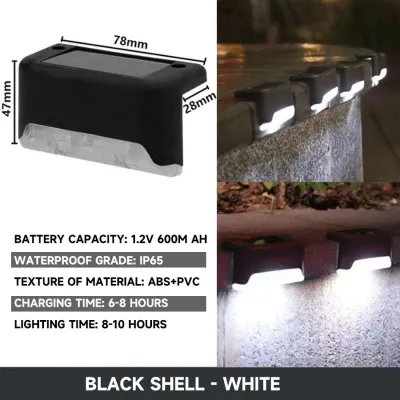
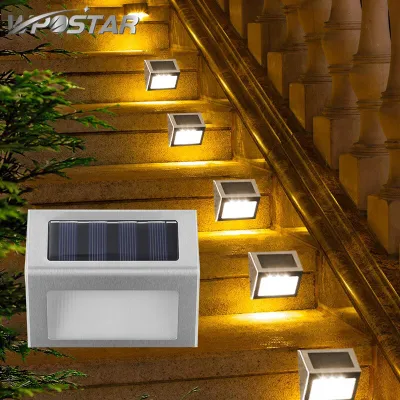
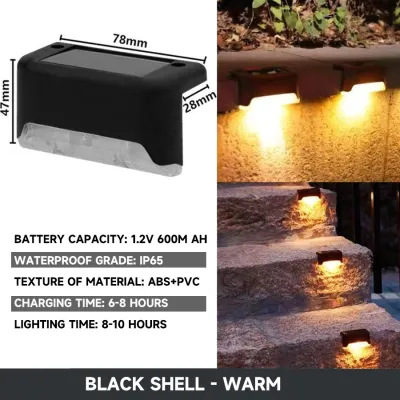
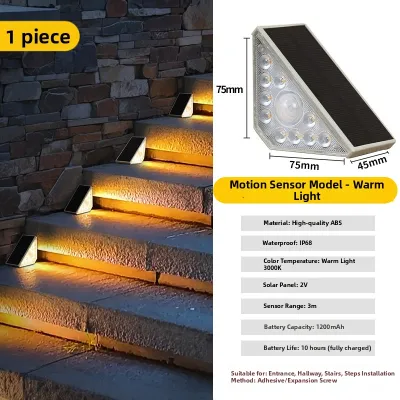
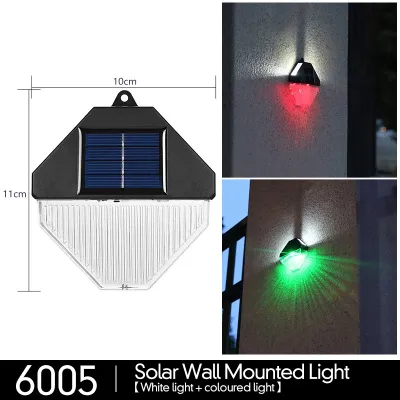
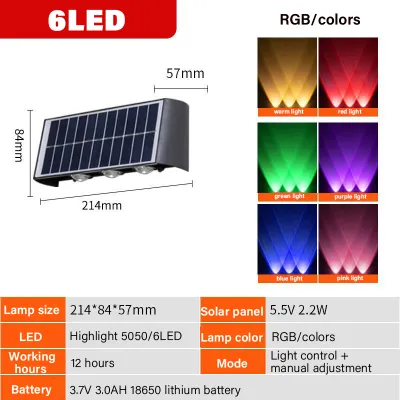
Prices are valid at publication and may change. Please refer to the product page for the latest price.
The consequences of water ingress are swift and destructive. Moisture on the internal printed circuit board (PCB) causes short circuits and accelerates galvanic corrosion, rendering the control chips useless. Furthermore, the rechargeable batteries inside these units are highly vulnerable to humidity; moisture exposure leads to terminal rust, which increases electrical resistance and eventually stops the battery from holding or accepting a charge.
Additionally, the heavy mud splashes and organic debris kicked up by torrential rains can quickly coat the solar panel’s surface. When combined with the high humidity, this debris bakes onto the protective top layer under the sun, causing premature clouding or yellowing of the photovoltaic cells. This clouding permanently degrades the panel’s ability to convert sunlight into electricity, leaving the light dim or completely non-functional even after the skies clear.
Consequently, standard outdoor lighting fixtures designed for milder, temperate climates often fail within weeks of a Philippine rainy season. Buyers must look beyond generic marketing labels and prioritize specific engineering standards designed to withstand prolonged moisture exposure and intense UV radiation.
Key Weatherproofing Specs to Check Before Buying
Understanding IP Ratings for Heavy Rain
The most reliable indicator of a fixture’s ability to resist water is its Ingress Protection (IP) rating, an international standard that classifies the degrees of protection provided against dust and water. This rating consists of two digits: the first represents protection against solid objects, and the second represents protection against liquids. For outdoor step lights exposed to the elements, the second digit is the critical metric to evaluate.

A rating of IP44 is common among budget outdoor lights, indicating protection against solid objects larger than 1 millimeter and splashes of water from any direction. While IP44 fixtures may survive a light drizzle, they are highly susceptible to failure under the driving, multi-directional rains of a tropical depression. Water can easily penetrate the seams of an IP44 housing when subjected to wind-driven downpours or heavy ground splashes.
For reliable performance on garden steps and outdoor stairways, you should seek fixtures with a minimum rating of IP65. An IP65 rating signifies that the unit is completely dust-tight and can withstand low-pressure water jets from any angle. This level of protection ensures that even during severe storms, water cannot penetrate the internal housing.
For low-lying steps or areas prone to temporary localized flooding, upgrading to IP67 provides an extra layer of security. IP67 fixtures can withstand complete immersion in water up to 1 meter deep for 30 minutes. This makes them ideal for steps built into retaining walls or pathways where drainage is slow during heavy downpours.
When shopping on online marketplaces or at local hardware stores, always verify these ratings on the official product packaging, user manuals, or manufacturer specification sheets. Avoid relying on vague marketing terms like “waterproof” or “weather-resistant” if they are not accompanied by an official IP rating, as these claims are often untested.
Material Durability Against Humidity and UV
The material composition of the light housing determines how well the fixture will resist physical degradation over years of exposure to intense tropical sunlight and high humidity. Cheap, untreated metals will rust rapidly when exposed to moisture and air, leading to structural failure and unsightly orange stains on your concrete or wooden steps.
If you prefer a metallic finish, prioritize marine-grade 316 stainless steel or anodized aluminum. Anodized aluminum features an electrochemically applied oxide layer that prevents the underlying metal from oxidizing, while high-grade stainless steel contains chromium to resist rust. These materials maintain their structural integrity and appearance even in coastal areas with high salt spray and humidity.
For non-metallic options, UV-stabilized Acrylonitrile Butadiene Styrene (ABS) or polycarbonate plastics are excellent choices. Standard plastics degrade, become brittle, and crack under the intense Philippine sun, allowing water to enter during the next rainstorm. UV-stabilized polymers are specifically formulated to resist solar radiation, preventing the housing from cracking, fading, or warping over time.
Beyond the outer shell, the internal sealing components are what actually keep water away from the electronics. When evaluating a light, verify whether the battery compartment and wire entries are protected by thick silicone gaskets or rubber O-rings. Silicone is highly flexible, heat-resistant, and maintains its seal under temperature extremes, unlike cheap rubber seals that dry out, shrink, and crack within months.
Installation and Placement Strategies for Wet Environments
Proper installation is just as critical as selecting the right specifications when it comes to ensuring the longevity of your solar step lights outdoor setup. When mounting fixtures onto steps, always position them to minimize water accumulation. If the light has a flat top surface, mount it with a slight downward tilt of a few degrees to encourage rainwater to run off the face rather than pooling on top of the solar panel or along the lens seams.
Before drilling into any step material, you must establish clear safety boundaries. Carefully inspect the area to ensure you will not drill into existing electrical conduits, embedded plumbing lines, or structural steel rebar. If your steps feature integrated low-voltage wired lighting or are adjacent to main power lines, isolate the electrical supply at the circuit breaker before beginning any installation work. If you are unsure of the path of hidden utilities within concrete or masonry steps, consult a qualified professional builder or electrician to avoid hazardous structural or electrical damage.
When securing the mounting screws into concrete, brick, or wood, apply a generous bead of outdoor-rated, 100% silicone sealant into the pre-drilled holes and around the screw heads. This sealant prevents water from tracking along the threads of the screw and seeping into the step material. In wooden steps, this prevents localized rot; in concrete or masonry, it prevents water from entering micro-cracks where it can cause spalling or structural weakening over time.
Additionally, pay close attention to the local drainage patterns of your outdoor staircases. Avoid installing step lights at the very bottom of a flight of stairs if that area acts as a primary drainage channel or sits directly beneath an un-guttered roof eave. Position the lights slightly elevated on the riser of the step rather than flat on the tread, keeping them clear of the heaviest paths of rushing runoff and minimizing mud splattering.
Routine Maintenance to Extend Lifespan in Humid Climates
A proactive maintenance routine during the rainy season can easily double the operating lifespan of your solar step lights. High humidity and heavy rain cause organic debris, mold, and mud to accumulate rapidly on the clear surfaces of the fixtures. This accumulation blocks sunlight, reducing the solar panel’s charging efficiency and leaving your steps poorly lit at night.
Establish a bi-weekly cleaning schedule during the wettest months. Gently wipe the solar panels and light lenses with a soft, clean microfiber cloth dampened with clean water. Avoid using abrasive scrubbing pads, steel wool, or harsh chemical cleaners like ammonia or bleach. These materials can scratch the protective coating of the solar panel or cloud the plastic lenses, permanently reducing light output and solar absorption.
During your cleaning routine, take a moment to inspect the physical condition of the seals. Check the visible silicone gaskets for signs of hardening, cracking, or peeling. To maintain the flexibility of these seals and prevent them from drying out under the tropical sun, apply a very thin layer of outdoor-grade silicone grease to the gaskets once or twice a year, particularly before the onset of the monsoon season.
Always ensure the lights are switched off before performing any cleaning or maintenance to prevent accidental short circuits or damage to the light sensor. If you notice any loose mounting screws, tighten them gently to ensure the fixture remains flush against the step surface, maintaining the integrity of the rear seal.
Troubleshooting Common Rainy Season Failures
If your solar step lights begin to malfunction during a period of heavy rain, a systematic troubleshooting approach can help you identify whether the issue is reversible or if the unit requires replacement. A common symptom is a dim, flickering, or rapidly dying light. This is often caused by internal condensation forming on the lens or battery contacts due to a compromised seal.
If you suspect moisture ingress, switch off the light and carefully open the battery compartment. If you find standing water or moisture, dry the interior thoroughly with a soft cloth and allow the components to air-dry completely in a warm, dry indoor area for 24 to 48 hours. Inspect the rechargeable battery for signs of rust or white powdery corrosion on the terminals. If the terminals are clean but the battery fails to hold a charge after drying, replace the old rechargeable cell with a new one of equivalent voltage and capacity (typically NiMH or Li-ion, as specified by the manufacturer).
If a light fails to turn on at all after a severe storm, check the physical connection between the solar panel and the main circuit board if accessible. However, if you discover that the outer plastic housing has cracked, the solar panel cover is shattered, or water has permanently filled the main electronic compartment—resulting in heavy green corrosion on the circuit board—the fixture is no longer safe or functional.
To prevent battery leakage or environmental contamination, do not attempt to salvage severely corroded units. Dispose of the damaged light and its rechargeable batteries responsibly by taking them to a designated local electronic waste recycling center or following municipal hazardous waste guidelines.
Frequently Asked Questions (FAQ)
Do solar step lights work during consecutive rainy days?
Yes, high-quality solar step lights will continue to function during consecutive rainy days, but their performance and runtime will be reduced. The duration of the light output depends on the balance between the battery’s storage capacity (measured in milliampere-hours, or mAh) and the power consumption of the LEDs.
On heavily overcast or rainy days, solar panels still generate electricity from diffuse sunlight, but at a fraction of their full capacity—often only 10% to 25% of what they produce on a clear day. If your step lights feature a high-capacity battery (such as 1200mAh or higher) and energy-efficient LEDs, they can store enough reserve energy from previous sunny days to power the lights through two or three cloudy nights.
To maximize performance during the monsoon season, select models with built-in power-saving modes or motion sensors that only illuminate when someone approaches. This preservation strategy ensures the stored battery power is not wasted on empty pathways, helping the lights last through extended periods of rainy weather.

Community discussion
Share your experience or ask a question. Comments are reviewed before publication.