
Choosing the right solar lighting for your outdoor space requires matching your specific functional needs with the technical specifications found on the product packaging. In the Philippines, where tropical weather brings both intense sunlight and heavy seasonal downpours, selecting outdoor fixtures is not just about aesthetics. It involves evaluating how well a light can harvest solar energy, withstand high humidity, and distribute illumination across pathways and garden beds. By understanding what to look for on Wellmax solar light labels and how to position each fixture, you can create a safe, beautifully lit outdoor environment that performs reliably year-round.
Defining Your Garden and Pathway Lighting Goals
Before browsing through available Wellmax solar light models, you must define the primary purpose of your outdoor lighting. Outdoor illumination generally falls into two categories: ambient decoration and functional safety. Ambient lighting focuses on creating a welcoming atmosphere, highlighting landscape features, and establishing visual depth. Functional safety lighting, on the other hand, ensures that pathways, steps, driveways, and entryways remain clearly visible to prevent trips, falls, and security blind spots.
The choice between these two goals dictates the brightness levels and color temperatures you should look for on the product packaging. Brightness is measured in lumens, and the required output varies significantly by application. For gentle garden accents, a low-output fixture of 10 to 50 lumens is often sufficient to create a soft glow without overpowering the natural night landscape. For pathways, driveways, or security zones, you will need higher-output fixtures ranging from 100 to over 1,000 lumens to ensure clear visibility.
Products mentioned in this guide
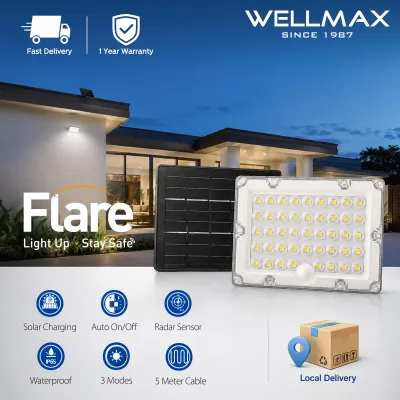
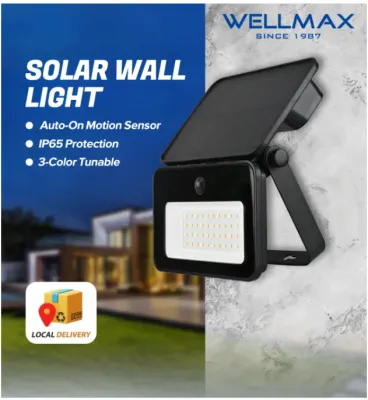
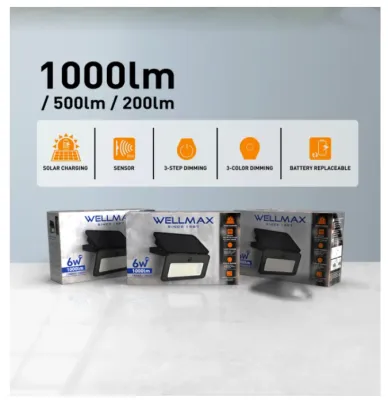
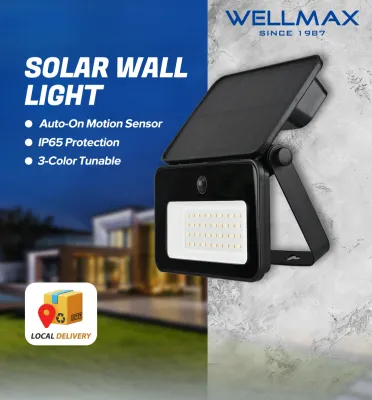
Prices are valid at publication and may change. Please refer to the product page for the latest price.
Color temperature is another critical factor and remains a matter of conditional preference. Warm white light, typically ranging from 2700K to 3000K, delivers a soft, yellowish glow that enhances the natural beauty of foliage and creates a cozy, relaxing outdoor living space. Cool white light, ranging from 5000K to 6500K, provides a bright, high-contrast bluish-white light that mimics daylight. Cool white is highly effective for security and task-oriented areas where maximum visibility is required, though it can sometimes feel clinical if overused in purely decorative garden beds.
Finally, assess the physical layout of your outdoor space before making a purchase. Take note of existing shadows cast by trees, roof overhangs, or neighboring walls during different times of the day. These obstructions will directly impact where you can place solar panels. Mapping out these zones helps you estimate the exact number of fixtures required and determines whether you need individual stake lights with integrated panels or a multi-light system connected to a single, remotely positioned solar collector.
Essential Specifications to Verify on Wellmax Packaging
To ensure your selected Wellmax solar lights survive the demanding tropical climate of the Philippines, you must carefully verify the technical specifications printed on the product packaging and user manuals. The first and most critical specification to check is the Ingress Protection (IP) rating. This two-digit code indicates how well the fixture’s casing protects its internal electrical components from solids and liquids. For outdoor garden and pathway lights, look for a minimum rating of IP65, which guarantees protection against dust ingress and low-pressure water jets from any direction. In areas highly exposed to severe monsoon rains or active garden sprinklers, opting for IP67-rated fixtures provides an extra layer of safety, as they can withstand temporary submersion.

Next, examine the solar panel type and the integrated battery capacity. Solar panels on residential fixtures are typically either monocrystalline or polycrystalline. Monocrystalline panels are more efficient, especially in converting limited sunlight during overcast or rainy days, making them highly desirable for tropical wet seasons. Compare this with the battery capacity, which is measured in milliampere-hours (mAh). A higher mAh rating indicates that the battery can store more electrical energy, allowing the light to run longer into the night. However, a large battery also requires a correspondingly efficient solar panel to charge it fully during the day, so look for balanced configurations on the spec sheet.
Sensor mechanisms dictate how and when the solar lights operate. Most standard pathway lights use simple dusk-to-dawn photocells, which automatically turn the light on when ambient light levels drop and turn it off at sunrise. For security and high-traffic areas, look for fixtures equipped with Passive Infrared (PIR) motion sensors. These sensors detect heat signatures from moving objects, switching the light from a dim energy-saving mode to full brightness when someone approaches. Verify the detection range and angle on the packaging to ensure the sensor will cover your intended pathway or entryway.
The physical construction materials of the light housing determine its long-term durability. Outdoor fixtures in the Philippines face intense ultraviolet (UV) radiation during the dry season, which can cause cheap plastics to become brittle, discolor, and crack. Look for high-grade, UV-stabilized ABS plastic, rust-resistant stainless steel, or powder-coated aluminum housings. Glass lenses are generally preferred over standard plastic lenses for high-output lights, as glass does not yellow or cloud over time when exposed to constant sunlight, ensuring the light output remains crisp and clear.
Matching Wellmax Solar Light Designs to Specific Scenarios
Selecting the right physical form factor of a solar light is just as important as verifying its technical specifications. The structural design of a fixture dictates how light is distributed across a space and determines the ease of installation. By matching the design of the Wellmax solar light to the specific layout of your garden, you can achieve both optimal visual appeal and reliable functionality.
Different styles serve fundamentally different spatial roles. Ground stakes are designed for quick insertion into soil, wall-mounted fixtures provide elevated illumination for structures, and decorative lanterns offer flexible placement for social areas. Understanding these distinctions allows you to build a layered lighting scheme that enhances safety and beauty simultaneously.
Pathway and Driveway Illumination
For walkways, garden paths, and driveways, the primary goal is safe navigation without causing discomfort to pedestrians. Ground stake lights and low-glare bollard-style fixtures are the ideal choices for these areas. These designs are engineered to direct light downward and outward onto the walking surface rather than upward into the eyes of people walking by. This downward distribution prevents blinding glare and helps highlight changes in elevation, steps, or obstacles along the path.
When planning the installation, pay close attention to spacing and soil conditions. To achieve continuous, even visibility along a pathway, space the fixtures so that their light patterns slightly overlap, avoiding dark gaps where hazards might hide. Before pushing the stakes into the ground, check the soil stability. During the dry season, Philippine clay soils can become extremely hard, requiring you to soften the ground with water before inserting the stakes to prevent breaking the plastic or metal shafts. Conversely, during the wet season, loose or sandy soil may require longer, more robust stakes to keep the fixtures upright and stable.
Additionally, verify the beam angle of the pathway lights before finalizing their positions. A wider beam angle covers more ground area but may spill light into adjacent garden beds where you might prefer darkness or accent lighting. Adjusting the height of the fixture or choosing a model with a shielded top cap can help contain the light precisely where it is needed, keeping your pathways safe and your garden design clean.
Garden Accent and Decorative Lighting
Garden accent lighting is designed to highlight specific landscape features, such as mature trees, ornamental shrubs, water features, or statues, without contributing to general light pollution. For these applications, adjustable solar spotlights are highly effective. These fixtures allow you to secure the base in the ground or on a wall and tilt the light head upward to illuminate a specific focal point. This technique, known as uplighting, adds dramatic depth and texture to your garden after dark.
When positioning accent spotlights, careful adjustment is necessary to avoid creating glare for your neighbors or disrupting local nocturnal wildlife. Avoid pointing spotlights directly toward windows, neighboring properties, or street-facing areas. Instead, angle the beam inward toward the center of your property or directly against solid surfaces like stone walls or dense foliage. This keeps the light contained and enhances the perceived spatial boundaries of your yard.
For social spaces like patios, decks, or pergolas, decorative string lights or hanging solar lanterns offer a softer, more ambient glow. When selecting multi-piece decorative sets, always check the total cable length and the connection limits specified by the manufacturer. Ensure the cable is long enough to reach from your sunny mounting point for the solar panel to the shaded seating area where the lights will hang, and verify that all connectors are tightly sealed against moisture.
Security and Perimeter Lighting
Security lighting focuses on deterring potential intruders and illuminating dark, vulnerable corners around your property line, garage, or entryways. Wall-mounted solar floodlights equipped with PIR motion sensors are the most practical choice for these zones. These fixtures remain off or in a low-power standby mode until motion is detected, at which point they blast the area with high-intensity cool white light to startle intruders and provide clear visibility for security cameras or homeowners.
To maximize the effectiveness of security lights, install them at the manufacturer’s recommended mounting height—typically between 2 to 2.5 meters above the ground. This height keeps the fixture out of easy reach while allowing the motion sensor to achieve its maximum detection angle and range. Ensure that the sensor’s field of view is completely unobstructed by tree branches, hanging plants, or architectural trim, as moving foliage can trigger false alarms or block the sensor from detecting actual movement.
While solar-powered motion lights are excellent for adding convenience and visibility to dark corners, it is important to understand their limitations. Solar security lights rely entirely on the daily charge stored in their batteries. During extended periods of heavy rain or thick cloud cover, the battery may not charge fully, which can reduce the operating time or brightness of the light. For critical security zones that require continuous, high-power illumination regardless of weather conditions, solar lights should be used as a supplement rather than a complete replacement for hardwired electrical security systems.
Installation and Placement Rules for Optimal Charging
The performance and longevity of your solar lights depend heavily on how and where they are installed. To ensure the integrated solar panels harvest the maximum amount of energy, they must be oriented toward direct sunlight. In the Philippines, positioning panels with an unobstructed view of the southern sky is generally most effective for capturing year-round sunlight. Avoid placing fixtures directly under dense tree canopies, roof overhangs, or in the shadow of walls, as even partial shading on a solar panel can drastically reduce its charging efficiency.
Proper ground preparation is also essential, particularly during the wet monsoon season. Ensure that the ground surrounding your stake lights has adequate drainage. Standing water or waterlogged soil can seep into the lower joints of the fixture, accelerate corrosion of internal battery contacts, or cause the soil to soften to the point where the light tilts or falls over. If you notice water pooling around a fixture after a heavy downpour, relocate the light to a slightly elevated position or improve the local soil drainage.
Before using your new solar lights for the first time, follow the manufacturer’s instructions regarding the initial charging period. Most brands recommend leaving the fixtures in the “off” position under direct sunlight for 24 to 48 hours before turning them on. This initial cycle ensures the rechargeable battery is fully conditioned and charged to its maximum capacity, which helps prolong the overall lifespan of the battery cell.
Always prioritize safety during installation. If your lighting plan involves mounting fixtures to brick, concrete, or stone walls, working at heights on ladders, or routing cables near existing electrical lines, stop and consult a qualified professional. Modifying structural elements or working on elevated surfaces without the proper tools and safety gear can lead to personal injury or property damage.
Routine Maintenance for Consistent Solar Performance
Solar lights are low-maintenance, but they are not maintenance-free. Over time, outdoor panels accumulate a layer of dust, pollen, bird droppings, and atmospheric grime. In tropical environments, high humidity can also lead to a buildup of algae or mold on the panel surface. This debris blocks sunlight from reaching the photovoltaic cells, significantly reducing charging efficiency and resulting in shorter runtimes at night. Clean the solar panels every few weeks using a soft, damp microfiber cloth and plain water; avoid abrasive scrubbers or harsh chemical cleaners that can scratch or degrade the protective plastic coating.
Regularly inspect the physical integrity of each fixture, especially after severe weather events like typhoons or prolonged heatwaves. Check the casing joints, O-rings, and seals for any signs of cracking, warping, or moisture ingress. If you notice condensation building up inside the lens, carefully disassemble the unit according to the manual, dry the internal components thoroughly, and check if the rubber seals need reseating or replacing.
Finally, monitor the performance of the rechargeable batteries. Most solar light batteries have a lifespan of one to two years before their capacity begins to degrade noticeably. When the lights start turning off much earlier than usual despite sunny daytime conditions, it is likely time to replace the batteries. Consult the product manual to identify the exact battery type required—typically standard rechargeable AA or AAA NiMH batteries, or specific lithium-ion cells—and follow the manufacturer’s instructions for safe replacement and proper recycling of the old batteries.
Frequently Asked Questions (FAQ)
Do Wellmax solar lights work during the rainy season?
Yes, solar lights continue to charge during the rainy season, but their performance will be reduced. Solar panels can harvest energy from indirect sunlight filtering through clouds, but the charging rate is significantly lower than on a clear, sunny day. This means the battery may not reach full capacity, resulting in dimmer light output or shorter runtimes at night. To mitigate this, choose models with high-efficiency monocrystalline panels and larger battery capacities, and ensure the panels are kept clean and free of debris.
Can I replace the built-in batteries in Wellmax pathway lights?
In many models, the batteries are user-serviceable, but you must consult the specific product manual to verify. If the battery compartment is sealed with screws and features a standard rechargeable battery size (such as NiMH AA or AAA), you can easily replace them yourself. However, some compact or fully integrated waterproof models are permanently sealed to prevent water ingress; attempting to force these units open can ruin the waterproof seal and void the warranty. Always use the exact battery chemistry and capacity recommended by the manufacturer.
How far apart should I space solar stake lights along a pathway?
As a general rule, solar stake lights should be spaced 1.5 to 2.5 meters apart to ensure even, continuous illumination along a pathway. The exact spacing depends on the lumen output and the beam angle of your specific fixtures. High-output lights with wide beam angles can be spaced further apart, while low-lumen decorative lights will need to be placed closer together to prevent dark spots. It is highly recommended to perform a temporary test layout at night before permanently inserting the stakes into the ground.

Community discussion
Share your experience or ask a question. Comments are reviewed before publication.