
Transforming a compact condo living room into a relaxing sanctuary after a long day in the bustling metropolitan heat does not require expensive renovations or bulky, space-consuming light fixtures. By strategically utilizing Christmas lights—specifically delicate, low-profile fairy string lights—you can introduce a layer of warm, diffused ambient lighting that bypasses the structural and spatial limitations of modern high-rise units. This approach allows you to soften the harsh, flat overhead lighting typical of developer-finished condos, creating a cozy and inviting evening environment.
To successfully execute this design, you must understand how to balance light levels, select the appropriate bulb specifications, and place your light strands where they will provide a gentle glow rather than direct glare. With renter-friendly installation techniques and a few basic electrical safety checks, you can easily customize your condo’s atmosphere to suit your personal style and daily comfort.
Understanding Ambient Lighting Constraints in a Condo Living Room
Many modern condominium units feature open-plan layouts where the living room, dining area, and kitchen merge into a single functional zone. Standard overhead lighting in these spaces often consists of intense downlights or fluorescent tubes. While these fixtures are highly effective for tasks like cooking or cleaning, they flood the room uniformly, casting harsh shadows and making the living area feel clinical and uninviting during the evening.
Products mentioned in this guide
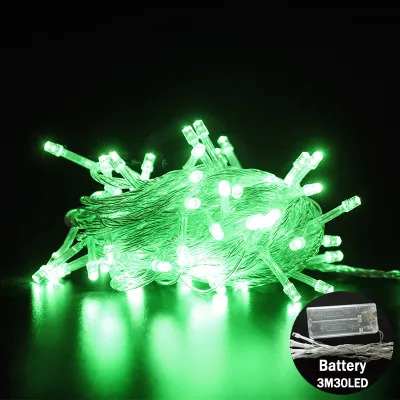
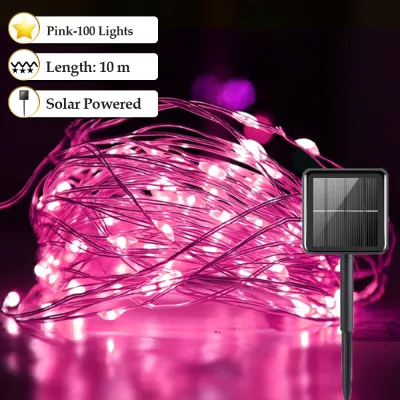
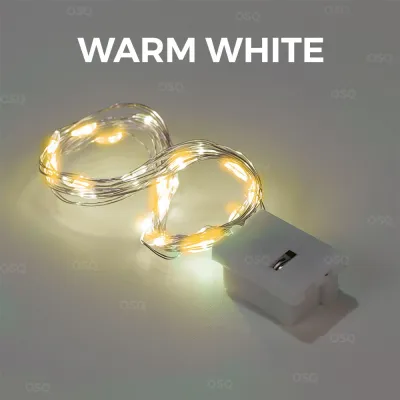
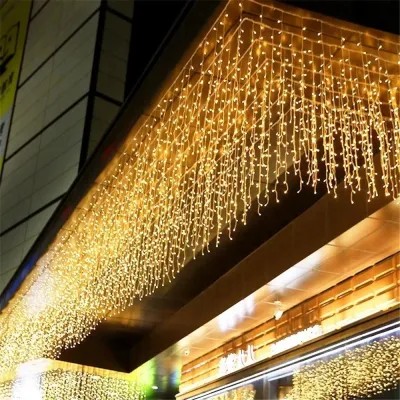
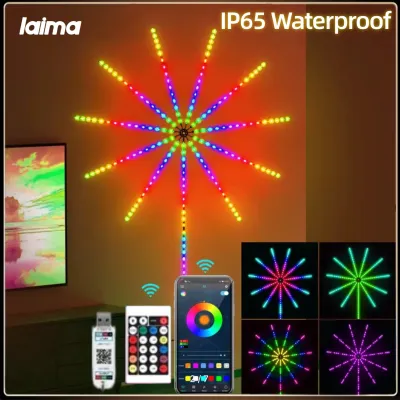
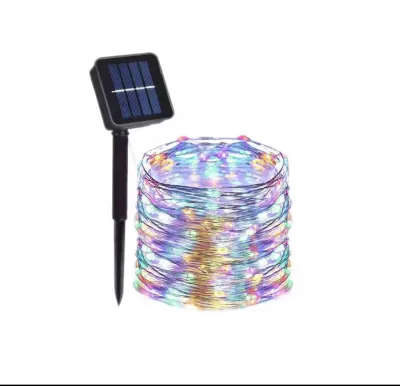
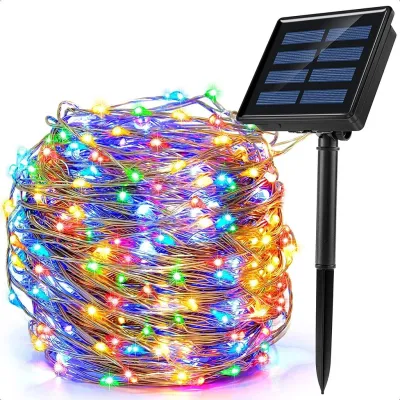
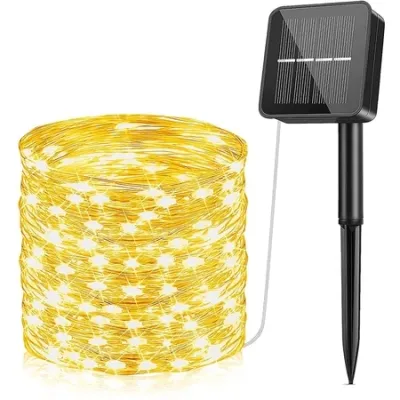
Prices are valid at publication and may change. Please refer to the product page for the latest price.
Layered lighting solves this issue by introducing multiple low-intensity light sources at different heights, which helps define boundaries and adds visual depth. However, achieving this in a condo presents several physical challenges. Limited floor space makes bulky floor lamps impractical, as they can easily crowd narrow walkways or conflict with a minimalist aesthetic.
Furthermore, drilling into solid concrete walls or modifying fixed overhead wiring is frequently prohibited by condo corporation rules or tenancy agreements. Fixed electrical outlets are also commonly placed in awkward locations, forcing residents to run unsightly extension cords across the floor to power traditional lamps.
Fairy string lights offer an ideal solution to these constraints. Their lightweight, flexible, and low-profile design allows them to slip into tight corners, drape along existing furniture, and mount without drilling. They occupy virtually zero floor space and can be easily molded around your existing decor, providing a highly adaptable lighting layer that adds warmth without physical clutter.
Choosing the Right Fairy String Lights for a Warm Atmosphere
Achieving a cozy, relaxing environment depends heavily on selecting the correct product specifications. Not all Christmas lights are suitable for everyday ambient use, and choosing the wrong type can make your living room feel overly bright or visually chaotic.

Color Temperature
Cozy ambient lighting relies on warm white light, which typically ranges from 2700K to 3000K on the Kelvin scale. This spectrum mimics the gentle, amber glow of traditional incandescent bulbs and candlelight, which naturally signals the body to relax and wind down. In contrast, cool white lights (4000K to 6500K) emit a bluish tint that mimics daylight, keeping the mind alert and making a living space feel cold. Multicolor or flashing Christmas lights, while festive, introduce too much visual stimulation for a relaxing, everyday ambient setup and are best reserved for temporary holiday displays.
Bulb Size and Style
Micro-LED fairy lights (often called dewdrop lights) feature tiny, flat light-emitting diodes integrated directly into the wire. They emit a soft, omnidirectional glow that is highly diffused, making them comfortable to look at even in close quarters. Traditional larger Christmas bulbs, such as C7 or C9 styles, have prominent plastic casings that concentrate the light into bright, intense points. These larger bulbs can cause glare and visual fatigue in a small room, and they often look overly seasonal when used outside the immediate holiday period.
Wire Material
Flexible copper or silver wire is incredibly thin and holds its shape when bent. This allows you to wrap it tightly around objects or hide it along the edges of shelves, making the wire itself practically invisible when the lights are turned off. Standard green or white PVC-insulated wires are much thicker and stiffer. While they are highly durable for outdoor use or draping across large holiday trees, they are difficult to conceal in a refined indoor setting and can look cluttered.
Power Source Options
When selecting your power source, consider both convenience and the layout of your condo:
- Plug-in: Offers consistent, reliable brightness without the worry of fading power. When selecting plug-in lights, verify that the transformer is compatible with the standard 220-volt, 60-hertz electrical system. Always check for safety certifications, such as the Import Commodity Clearance (ICC) sticker or the Philippine Standard (PS) mark, to ensure the product is safe for local outlets.
- USB-powered: A highly versatile option for modern condos. These lights can be powered by standard 5V USB ports on your television, media player, or phone charger blocks. They can also run off portable power banks, allowing you to place lights in areas completely devoid of wall outlets without trailing cords across the floor.
- Battery-operated: Best for small, isolated decorative accents, such as a lit jar on a coffee table. Because they rely on AA or AAA batteries, they will dim over time and are less practical for primary daily ambient lighting due to the ongoing cost of replacing batteries.
Strategic Placement for a Cozy, Diffused Glow
To prevent eye strain and create a truly relaxing atmosphere, focus on the principle of indirect lighting. Direct light shines straight from the bulb to your eyes, which can be harsh and uncomfortable. Indirect lighting bounces off a surface first—such as a wall, fabric, or decorative object—scattering the light rays and creating a soft, even illumination throughout the room.
Draping and Layering with Soft Furnishings
Hanging sheer, lightweight curtains in front of a window or a blank wall, and then draping strands of warm white fairy lights behind them, creates a stunning light wall. The fabric acts as a large diffuser, softening the individual points of light into a gentle, glowing backdrop. This technique is particularly effective in high-rise condos, where large glass windows can feel cold and dark at night.
Running a strand of low-heat LED lights along the back of your sofa, or tucking them slightly behind the back cushions, casts a warm glow upward onto the wall. This provides excellent bias lighting that reduces eye strain when watching television in a dark room.
For a cozy reading nook, you can weave a low-voltage copper wire strand through a decorative wire basket filled with rolled-up knit blankets or plush throws. The light filters through the gaps in the fabric, highlighting the rich textures and creating a warm, inviting corner. Always ensure the lights are certified low-heat and low-voltage before placing them in contact with fabrics.
Accentuating Decor, Plants, and Architectural Lines
Many condo dwellers decorate with indoor plants to bring nature inside. Wrapping delicate copper wire lights around the branches or stems of sturdy plants, such as a Monstera or a Snake Plant, creates a beautiful organic display. The light reflects off the glossy leaves and casts soft, intricate shadows on the walls, adding a sense of depth and movement to the room.
Running fairy lights along the back edges of floating shelves or bookcases illuminates your favorite books, plants, and decorative pieces from behind. This backlighting technique makes shelves appear deeper and turns them into a functional piece of art.
Coiling a strand of micro-LED lights inside a clear or amber-tinted glass jar, vase, or lantern creates a concentrated, whimsical light source. The glass bends and multiplies the light, producing a warm, firefly-like effect that makes an excellent centerpiece for a dining table or coffee table.
Tracing the perimeter of a wall mirror with string lights is a classic space-expanding trick. The reflective surface of the mirror doubles the amount of light and creates a sense of depth, making a compact condo living room feel much larger and more open.
Damage-Free Installation and Electrical Safety
Since drilling into concrete walls or altering drywall can lead to costly repairs or lost security deposits, non-destructive mounting is essential for condo living.
Damage-Free Hanging
Use clear, removable adhesive hooks or clips designed specifically for lightweight cords. In tropical, humid climates, standard adhesives can lose their grip over time. To prevent your lights from falling, clean the wall surface thoroughly with rubbing alcohol before applying the adhesive, and opt for high-humidity or water-resistant removable strips. Tension rods placed inside window frames are another excellent, completely damage-free way to hang light curtains.
Cable Management
Loose wires pose a tripping hazard, especially in compact condo layouts. Use paint-safe cable clips to route power cords neatly along the tops of baseboards or behind furniture legs. Keep excess cord slack bundled neatly with twist ties or hook-and-loop straps, and hide the bundles behind your TV console or sofa. Never run cords under heavy rugs or furniture where they can be pinched, walked on, and damaged over time.
Electrical and Heat Safety
Safety must always come first when working with electrical decor. Before plugging in any lights, carefully inspect the entire strand for frayed wires, exposed copper, cracked sockets, or loose connections. Discard any damaged strands immediately.
Verify that the lights are rated for indoor use and are compatible with the local 220V/60Hz electrical system. Look for official safety marks, such as the PS (Philippine Standard) mark or the ICC (Import Commodity Clearance) sticker, which prove the product has passed local safety and quality tests.
Ensure the lights are kept away from highly flammable materials. While modern LED fairy lights run cool, always follow the manufacturer’s specific instructions regarding heat output, ventilation, and contact with textiles or enclosed spaces. If you plan to install lights on high ceilings or perform any fixed wiring, always isolate the power at the circuit breaker first and consult a qualified professional.
Frequently Asked Questions (FAQ)
Can I leave fairy string lights on all night?
Even though high-quality LED fairy lights consume very little electricity and generate minimal heat, it is not recommended to leave them running unattended overnight. Always check the manufacturer’s instructions for recommended continuous run times. To enjoy your lights safely and extend their lifespan, plug them into an automatic timer or a smart plug that can be programmed to shut them off after you go to sleep.
How do I hide the battery pack or power cord in a small living room?
Bulky battery packs and dangling power cords can detract from your cozy aesthetic. You can easily conceal battery boxes by tucking them behind books on a shelf, placing them inside decorative woven baskets, or hiding them within a hollowed-out book box. For USB-powered lights, plugging them directly into the USB ports on the back of your television or media console keeps both the cord and the power source completely out of sight.
Are copper wire lights safe to touch and place near curtains?
Most low-voltage LED copper wire lights operate at a very low temperature, making them safe to touch and safe to hang near lightweight fabrics like sheer curtains. However, you must always verify the product’s official safety label and follow the manufacturer’s guidelines. Avoid bunching or nesting multiple strands of wire tightly together, as this can trap heat and create a potential safety hazard.

Community discussion
Share your experience or ask a question. Comments are reviewed before publication.