
Personalized LED name lights have become a staple of modern interior design, especially for adding a warm, ambient glow to urban condos, home offices, and bedrooms. In the Philippines, the popularity of these vibrant signs has surged as homeowners seek to express their individuality through custom typography and colorful illumination. Customizing and ordering an led name light online requires navigating a series of design choices, sourcing reliable crafters, and ensuring the electrical specifications match local standards. By following a structured approach, you can transform your creative vision into a safe, durable, and stunning light installation that elevates your living space.
Step 1: Define Your Design, Size, and Display Space
Designing your custom sign begins with selecting the right typography and color palette. Typography sets the mood of the room; cursive or script fonts offer a classic, flowing neon aesthetic that feels intimate and artistic, while bold block letters provide a clean, modern, and minimalist look. When selecting colors, consider how they interact with your existing decor. Single-color setups offer a focused, elegant vibe, whereas multi-color RGB options with remote controllers allow you to change the ambiance dynamically. Keep in mind that perceived color temperature and spatial effects are highly subjective; a warm white might feel cozy in a bedroom but underpowered in a bright living area, so choose based on your specific lighting goals.
Accurate measurement is critical before you initiate any conversation with an online seller. Use a metal measuring tape to determine the exact dimensions of the wall, shelf, or window where the sign will hang. Custom sign makers typically price and build their products based on the longest dimension, which is usually the width for names and horizontal phrases. If you order a sign that is too large, it can overwhelm a compact studio condo; conversely, a sign that is too small will lose its visual impact. Aim for a balanced proportion where the sign occupies roughly 30% to 50% of the available wall width. Broadly speaking, compact desktop signs can start around ₱1,000, while large, multi-letter wall installations can exceed ₱5,000.
Products mentioned in this guide
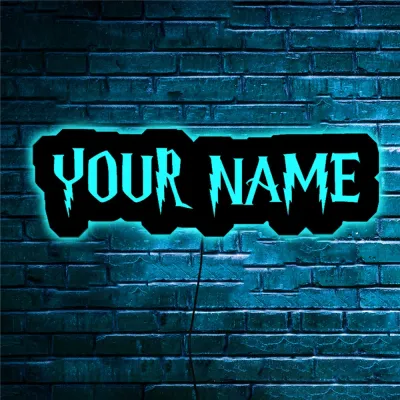

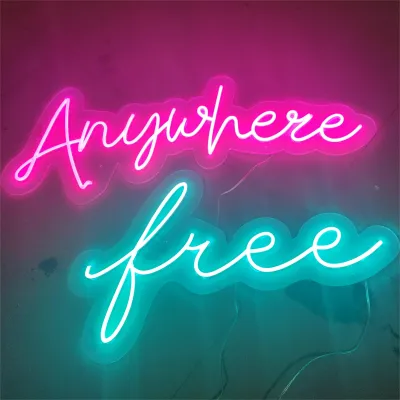
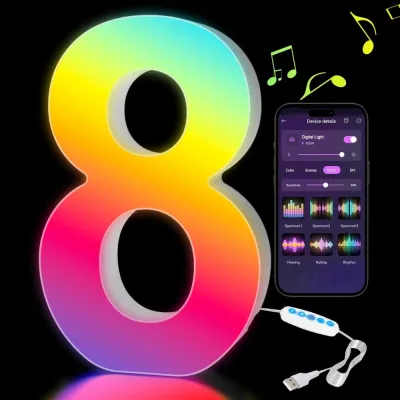
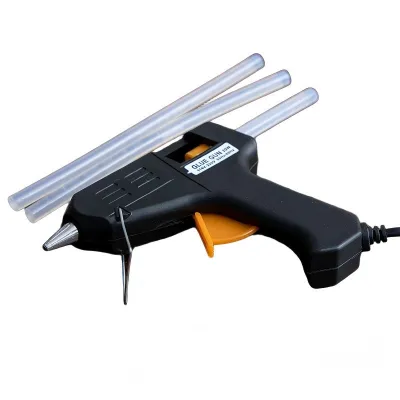
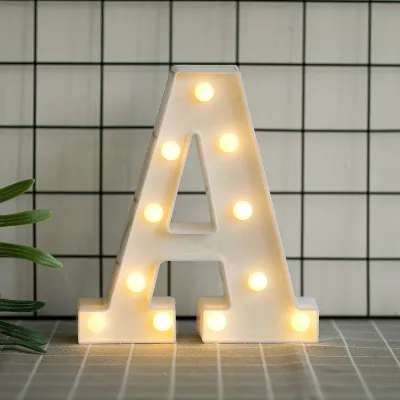
Prices are valid at publication and may change. Please refer to the product page for the latest price.
The backing material plays a major role in both the structural integrity and the aesthetic of your sign. Most modern LED signs use high-quality acrylic backboards, which can be cut in different styles. A “cut-to-shape” backing follows the contours of the letters closely, making the acrylic less noticeable when the sign is illuminated. A rectangular backboard is sturdier and easier to mount but is more visible. Some high-end custom designs offer a hollowed-out or “cut-to-letter” backing for an ultra-clean look, though this requires careful handling during installation.
Finally, evaluate the environmental conditions of the display space. The tropical climate of the Philippines introduces unique challenges, such as high ambient humidity and indoor heat. Standard custom LED signs are designed strictly for indoor, dry environments. Placing an indoor-rated sign near an open window where rain can blow in, or in a high-humidity zone like an unventilated kitchen, can lead to premature electrical failure. Ensure your selected wall is dry, away from direct sunlight which can degrade the silicone casing over time, and free from moisture buildup.
Step 2: Source Reliable Sellers for Your LED Name Light Online
Finding a trustworthy manufacturer or local artisan to create your led name light requires strategic searching on digital marketplaces and social platforms. Start by using precise search terms such as “custom LED neon sign,” “personalized name light,” or “bespoke acrylic LED art” to filter out generic, pre-made lights. Using these specific phrases helps you locate specialized workshops that focus on custom orders rather than mass-produced retail stock.

Once you find potential sellers, perform a rigorous evaluation of their profiles. Look for stores with high overall ratings and a substantial history of completed transactions. Pay close attention to customer reviews that include real-life photos and videos of the signs in actual home settings. These user-generated images provide a realistic view of the product’s brightness, color accuracy, and backing quality, which often differ from polished promotional photos. Additionally, test the seller’s responsiveness by sending a preliminary inquiry; prompt, clear, and professional communication is a strong indicator of reliable customer service.
When you are ready to request a quote, provide the seller with a detailed breakdown of your design requirements. Include the exact text, your chosen font style, the precise dimensions, and your preferred color scheme. Ask for an all-inclusive price estimate that covers both production and shipping fees to your specific location in the Philippines, whether you reside in Metro Manila, Luzon provinces, or the Visayas and Mindanao regions. It is also wise to ask about their current production lead times, as custom fabrication can take anywhere from a few days to several weeks depending on the complexity of the design and the seller’s backlog.
Step 3: Approve the Mockup and Verify Electrical Specs
Before the seller begins fabrication, they should provide a digital mockup or proof of your design. This step is your primary defense against costly mistakes, as custom-made items are generally non-returnable. Examine the digital proof with extreme care. Check every single letter to ensure the spelling is absolutely correct. Verify that the font matches your expectations and that the spacing between letters is balanced. Look at the placement of the power cable exit point; ideally, it should be positioned where it can be easily hidden or routed directly to your outlet.
Electrical compatibility is a critical safety consideration that must not be overlooked. The standard electrical system in the Philippines operates at 220V with a frequency of 60Hz. You must explicitly verify with the seller that the power adapter provided with your LED sign is rated for 220V input. Many online sellers source components globally, and receiving an adapter rated only for 110V can result in immediate damage or safety hazards if plugged into a local outlet. Additionally, confirm that the adapter comes with a compatible plug type (typically Type A or Type B) used in the Philippines, or prepare to use a reliable, properly rated travel adapter.
Before giving the final approval to proceed with production, make sure you fully understand the seller’s policies. Ask what measures are in place if the sign arrives damaged or if there is a clear manufacturing defect that deviates from the approved mockup. Because personalized items cannot be resold, reputable sellers will usually offer a replacement or repair for shipping damage or production errors, but they will not accommodate changes of heart or incorrect measurements provided by the buyer. Once you are satisfied with the terms and the digital proof, authorize the production run and complete the payment process.
Step 4: Unbox, Inspect, and Safely Mount Your Sign
When your custom sign finally arrives, the first step is to document the unboxing process. Set up your phone to record a continuous video as you open the shipping package and inspect the contents. This video serves as indisputable evidence if the sign suffered transit damage, such as cracked acrylic or loose wiring. Before you attempt to mount the sign on the wall, place it flat on a clean, stable workbench or table, plug it into the power adapter, and turn it on. Inspect the entire length of the LED tube to ensure there are no dead zones, flickering segments, or loose connections.
The method you choose to mount your sign depends on its overall weight, size, and the type of wall surface in your home. For lightweight signs mounted on smooth, non-porous surfaces like painted concrete or glass, heavy-duty double-sided adhesive mounting strips can provide a clean, drill-free installation. However, for larger or heavier signs, relying solely on adhesives is risky in a tropical climate, as humidity can weaken the adhesive bond over time. For these heavier installations, utilize the pre-drilled holes in the acrylic backing. Drill corresponding holes into your wall, insert high-quality wall anchors, and secure the sign using the provided standoff screws.
Safety boundaries must be strictly observed during the installation process. Never drive nails, screws, or staples directly into or through the flexible LED silicone tubes or the electrical wiring, as this can pierce the insulation, cause a short circuit, or permanently damage the light path. If your installation requires fixed wiring into your home’s electrical system, working at heights, or mounting onto delicate or complex wall materials like ceramic tiles or weak drywall, stop immediately. In these scenarios, isolate the power at the main circuit breaker and hire a qualified local electrician or professional handyman to complete the installation safely.
When powering up your sign for regular use, plug the power adapter directly into a standard wall outlet or a high-quality, surge-protected power strip. Avoid daisy-chaining multiple extension cords or overloading a single outlet with other high-wattage appliances. Ensure the power adapter is placed in a well-ventilated area where heat can dissipate freely, as adapters can become warm during prolonged operation. Keep all cords neatly organized and secured to prevent tripping hazards that could pull the sign off the wall.
Daily Care and Maintenance for Long-Lasting Glow
Maintaining your custom LED sign involves simple, low-risk routines that protect both its appearance and its internal electronics. Dust and airborne particles can settle on the acrylic backing and the silicone LED tubes, gradually dimming the light output. To clean your sign, always turn it off and unplug it from the wall outlet first to eliminate any electrical risk. Gently wipe the surfaces using a clean, dry, or slightly damp microfiber cloth. Never use harsh chemical cleaners, alcohol, window sprays, or abrasive sponges, as these can easily scratch or cloud the clear acrylic backing and degrade the flexible silicone casing.
In addition to regular cleaning, perform periodic visual inspections of the electrical components. Check the power cord along its entire length to ensure there are no signs of wear, fraying, or damage from household pets. Inspect the connection point where the power cord plugs into the sign’s adapter to ensure it remains tight and secure. If you notice any flickering, unusual heat coming from the adapter, or a burning smell, immediately unplug the sign and discontinue use until you can consult the manufacturer or a professional technician.
Establishing healthy usage habits will significantly extend the lifespan of your custom light. While modern LEDs are highly efficient, leaving the sign turned on continuously can place unnecessary stress on the light-emitting diodes and the power adapter. Make it a habit to turn off the sign when you leave the room, during the brightest hours of the day, or overnight. Utilizing a simple outlet timer or a smart plug can help automate this routine, ensuring your sign gets a regular “rest” while conserving energy in your household.
Frequently Asked Questions (FAQ)
Can I install an LED name light in a humid area like a bathroom?
Most standard custom LED name lights are rated for indoor, dry environments only (typically IP20). Installing a standard sign in a bathroom, near a shower, or close to a humidifier exposes the delicate electrical connections to moisture and condensation, which can lead to short circuits, corrosion, and premature failure. If you want to install a sign in a damp area, you must explicitly request an IP-rated waterproof sign (such as IP65 or higher) from the seller during the design phase. Even with a waterproof sign, the power adapter and wall outlet must always remain in a completely dry, well-ventilated zone outside the high-moisture area.
Are custom LED signs returnable if I change my mind?
Because custom LED signs are personalized and made-to-order based on your specific text, font, and color choices, sellers generally do not accept returns or offer refunds for buyer’s remorse, change of mind, or incorrect measurements. Returns, repairs, or remakes are typically only offered if the seller made a clear mistake that deviates from the approved digital mockup (such as a spelling error or the wrong color) or if the item arrived damaged. This strict policy is why recording an unboxing video and carefully verifying all specifications during the mockup approval stage are absolutely essential steps in the purchasing process.

Community discussion
Share your experience or ask a question. Comments are reviewed before publication.