
Pairing solar Christmas lights with existing ambient lighting is an excellent way to create a warm, inviting retreat in a modern condominium. While many associate these twinkling strands with temporary holiday displays, integrating them into your year-round decor elevates your space into a relaxing sanctuary. If you are searching for “crismast lights solar” solutions to bring that cozy, warm holiday glow into your daily life, the secret lies in thoughtful layering. By balancing the soft, delicate glow of solar-powered accents with functional base fixtures, you can craft a cohesive, cozy atmosphere that perfectly suits the tropical evenings of the Philippines.
Achieving this balance requires understanding both the aesthetic principles of lighting design and the practical realities of condo living. Because solar lights rely on stored energy rather than a continuous grid connection, they offer unique layout flexibility without cluttering your living room or bedroom with extension cords. However, they also present specific installation and charging requirements that must be carefully managed to ensure consistent performance. By taking a systematic approach to your light layers, you can enjoy a beautiful, energy-efficient ambiance that enhances your home’s comfort.
Setting the Foundation: Adapting Crismast Lights Solar for Everyday Condo Use
Transitioning your perspective from seasonal holiday decorations to permanent ambient accents is the first step toward a successful lighting scheme. Holiday displays often rely on high-contrast, flashing, or multi-colored lights that draw immediate attention. In contrast, everyday ambient lighting aims for a subtle, continuous glow that blends into the background to promote relaxation. To achieve this, select solar string lights that feature a steady-on mode rather than aggressive blinking patterns, allowing them to serve as a calming backdrop.
Products mentioned in this guide
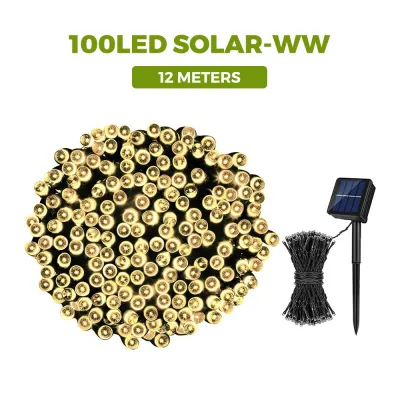
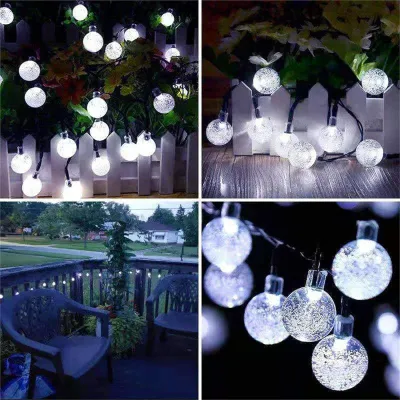
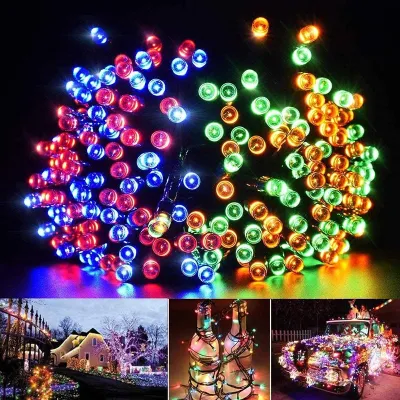
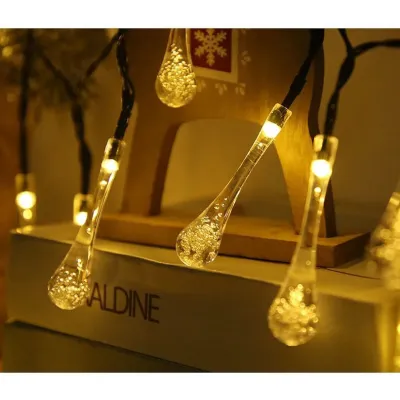
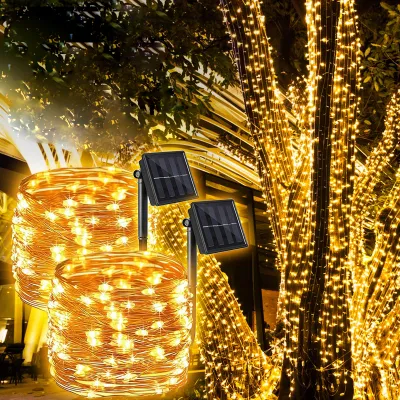
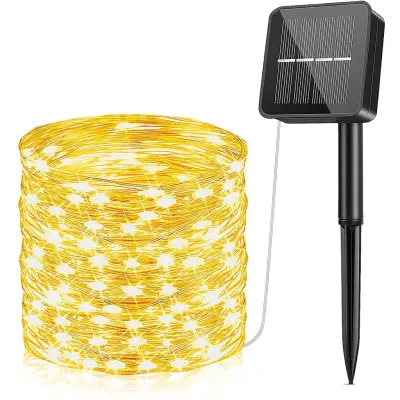
![[BUY 1 TAKE 1]Christmas Light Solar Water Drop String Light 5M/7M 8 Modes LED Solar Fairy Light String Outdoor Waterproof Suitable For Weddings Parties Festivals Courtyards Gardens Balconies Christmas Atmosphere Decoration In Phleo](https://img.lazcdn.com/g/p/74116e7b31b1e9d85cbc96b23b26a24f.jpg_400x400q80.jpg_.webp)
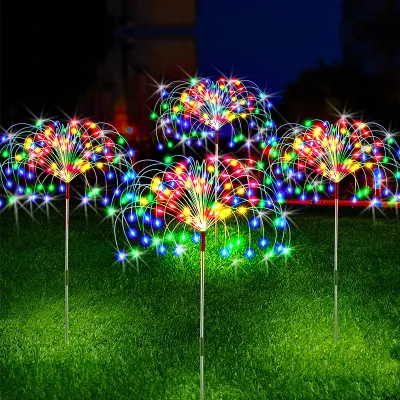
Prices are valid at publication and may change. Please refer to the product page for the latest price.
The most significant practical challenge when using solar-powered fixtures in a condominium is ensuring the solar panel receives sufficient direct sunlight to charge. In high-density urban areas like Metro Manila, adjacent towers or specific building orientations can severely limit the amount of sunlight reaching your windows. To maximize charging efficiency, you must route the thin wire from the indoor light strand to the solar panel placed on an outdoor balcony railing, an exterior window ledge, or a sunny window sill.
When positioning components outdoors, the local climate must be a primary consideration. The Philippines experiences intense tropical downpours, high humidity, and strong winds, especially during the monsoon season. Before mounting any equipment, verify that the solar panel and its connected wiring carry an appropriate Ingress Protection (IP) rating, such as IP44 or IP65, which certifies resistance to water splashes and dust. Always check the manufacturer’s product label to confirm the unit is rated for outdoor exposure and carries recognized electrical safety certifications.
For condos with deeply shaded balconies or layouts that completely block direct sunlight, standard solar panels may struggle to fully charge. In these scenarios, look for dual-power or hybrid models that offer both solar charging and a secondary USB or plug-in interface. This ensures your lights remain functional during prolonged rainy periods or when the solar panel cannot be positioned in direct sunlight. When using these hybrid models, always verify the voltage compatibility and wattage limits specified by the manufacturer to prevent electrical overloading.
The primary benefit of a well-placed solar setup is the freedom from indoor power outlets. Once the solar panel is secured in a sunny spot outdoors, the interior light string remains completely cord-free. This independence allows you to drape, weave, or hang the lights in creative indoor locations—such as deep corners, high shelving, or central partitions—without the safety hazard or unsightly appearance of trailing extension cords. It provides a clean, minimalist aesthetic that is highly valued in compact condo living.
Choosing the Right Base Lighting to Support Your Solar String Lights
To create a balanced and visually appealing space, you must understand the core concept of lighting layering. A well-designed room relies on three distinct layers: ambient (general) lighting, task (functional) lighting, and accent (decorative) lighting. Solar string lights fall squarely into the accent category; they emit a very low-lumen, delicate glow that is meant to add depth and visual interest rather than illuminate an entire room. Relying on them as your sole light source will result in an under-illuminated, straining environment.

Therefore, you must establish a solid base of general ambient lighting to support your accent strands. For living rooms, warm-toned floor lamps are highly effective at establishing a cozy baseline. Positioning a floor lamp in a corner helps bounce light off the walls, softening shadows and making a compact condo feel more spacious. Selecting a warm color temperature, typically between 2700K and 3000K, is a popular conditional preference that mimics the soft glow of sunset, helping the mind transition into a state of rest.
In the bedroom, the base lighting should prioritize functional visibility without introducing harshness. Dimmable bedside table lamps or wall-mounted sconces are ideal for this purpose. They provide enough focused light for reading or moving around safely, while their dimming capabilities allow you to lower the intensity as bedtime approaches. When selecting these fixtures, verify their dimming method (such as triac, leading-edge, or smart-bulb compatibility) to ensure smooth adjustment without annoying flickering. If you plan to install fixed wall sconces that require modifications to your condo’s electrical wiring, always isolate the power at the circuit breaker first and consult a qualified professional.
Because solar Christmas lights have a fixed, low-lumen output, your base lighting must be adjustable or strategically placed so it does not overpower the delicate twinkle of the strings. If your floor or table lamps are too bright, they will wash out the accent lights entirely, neutralizing their cozy effect. Choosing dimmable base fixtures or lower-wattage LED bulbs allows you to dial back the main light sources until the solar accents become clearly visible, creating a harmonious balance.
Effective Lighting Layers for Condo Living Rooms and Bedrooms
Every room in a condominium serves a different daily purpose, meaning your lighting layers must be tailored to the specific activities and layout of each space. Whether you are hosting a quiet movie night in the living room or winding down for sleep in the bedroom, the way you pair your fixtures directly influences the comfort and functionality of the environment.
Living Room: Pairing Floor Lamps With Solar Curtain Lights
A highly effective layout for a condo living room involves pairing a tall arc or tripod floor lamp with solar curtain lights. The floor lamp provides a structured, downward-directed light pool that is perfect for reading or conversation, while the curtain lights offer a soft, vertical backdrop of scattered light. Draping the solar curtain lights over sheer window curtains creates a beautiful, diffused glow that softens the hard glass surfaces of condo windows.
To achieve a balanced look, position the floor lamp on one side of your main seating area and allow the curtain lights to cover the opposite window or the wall behind your television console. This diagonal placement prevents one side of the room from feeling overly bright while the other remains in shadow. When installing, carefully route the solar panel’s thin lead wire through the window frame to the exterior sill, ensuring the panel faces the direction of maximum daily sunlight while the curtain lights hang naturally inside.
Bedroom: Combining Bedside Lamps With Solar Fairy Lights
In the bedroom, the goal is to support healthy sleep hygiene by minimizing blue light exposure and creating a serene, low-intensity environment. You can achieve this by combining dimmable bedside lamps with delicate solar fairy lights. Instead of hanging the fairy lights overhead where they might shine directly into your eyes while lying down, try weaving them through a wooden headboard, draping them gently over a bed canopy, or placing them inside a decorative glass cloche on a dresser.
These placement methods keep the light source indirect, preventing glare and creating soft, localized pools of light. During the early evening, you can use both the bedside lamps and the fairy lights to read or relax. As you prepare for sleep, turning off the main bedside lamps leaves only the gentle, low-lumen twinkle of the solar fairy lights, which can serve as a soothing, energy-efficient nightlight that automatically turns off as its stored solar energy gradually depletes overnight.
Common Pairing Mistakes and How to Avoid Them
While mixing different light sources can yield stunning results, several common pitfalls can disrupt the visual harmony of your condo or even pose safety risks. The most frequent aesthetic error is a color temperature clash. Mixing cool white solar lights (often rated at 6000K or higher) with warm white ambient lamps (2700K) creates a jarring, uncoordinated look that feels more like an office than a cozy home. For a relaxing atmosphere, stick strictly to warm white options for both your base lamps and your solar strands.
Another common mistake is overpowering your accent lights by placing them too close to high-lumen task lamps. If you drape a delicate solar string light directly across a desk or next to a powerful reading light, the intense brightness of the task lamp will completely wash out the subtle glow of the solar LEDs. Keep your solar accents positioned in the darker zones of the room, away from direct, high-intensity light paths, so their decorative effect can be fully appreciated.
Many condo owners also fall victim to the “indoor solar” myth, assuming that standard indoor room lights or ambient daylight filtering through double-paned glass is sufficient to charge a solar panel. In reality, indoor light levels are a fraction of the intensity of direct outdoor sunlight. Placing a solar panel indoors, even near a window, will eventually lead to dead batteries and non-functional lights. The panel must have clear, unobstructed access to the outdoors to function reliably.
Finally, physical safety and wire management must never be overlooked. When routing the wire from the indoor light string to the outdoor solar panel, avoid pinching the cord tightly in sliding window tracks or balcony doors, as this can crush the protective insulation and cause an electrical short. Never use metal staples or sharp nails to secure the wires, as they can easily pierce the cable. Instead, use damage-free, clear adhesive cable clips designed for lightweight wires, and always refer to the manufacturer’s installation instructions to ensure a safe, secure setup.
Frequently Asked Questions (FAQ)
Can I use solar Christmas lights if my condo has no balcony?
Yes, you can still use solar lights even without a private balcony, provided you have a window that receives direct sunlight. You can secure the solar panel to the exterior of an outward-facing window sill using heavy-duty, weather-resistant suction cups or non-damaging mounting brackets. However, if your windows face a deep courtyard or are permanently shaded by neighboring buildings, it is highly recommended to opt for USB-rechargeable or plug-in fairy lights instead. These alternatives deliver the exact same cozy aesthetic without relying on solar exposure.
Do solar string lights provide enough light to read by?
No, solar string lights do not provide sufficient illumination for reading or other detailed tasks. Because they are designed as low-lumen accent lighting, attempting to read by their light alone can cause severe eye strain. Always pair your decorative solar strands with a dedicated, adjustable task lamp or a reading light equipped with a warm-toned LED bulb to ensure your eyes are properly supported during functional activities.
How do I hide the solar panel wire in a small condo?
To keep your small condo looking neat and organized, use clear, self-adhesive cable clips to route the wire discreetly along window frames, baseboards, or curtain rods. Avoid stretching the wire tightly across walkways where it could present a tripping hazard or suffer physical damage. Additionally, ensure the wire is not pinched or crimped in sliding window tracks; instead, route it through a flexible window gap adapter or a soft rubber weatherstripping seal to protect the cord’s structural integrity.

Community discussion
Share your experience or ask a question. Comments are reviewed before publication.