
Choosing the right magnetic ceiling light requires balancing physical proportions with adequate illumination. The ideal fixture size depends on your ceiling’s usable area and architectural layout, while the correct wattage and brightness are determined by the room’s total volume, surface reflectivity, and specific functional needs. By systematically measuring your space and cross-referencing product specifications, you can select a lighting setup that provides even, comfortable coverage without glare or dark corners.
Magnetic track lighting systems have gained immense popularity in modern residential design due to their modularity. Unlike traditional fixed fixtures, these systems allow you to click, slide, and swap different light modules—such as spotlights, linear diffusers, and pendant lights—into a low-voltage track. However, this high degree of customization means you must plan your layout and power requirements carefully before purchasing to ensure the system performs safely and effectively in your specific environment.
Assessing Room Dimensions and Lighting Needs
Before selecting any lighting hardware, you must establish a precise map of your room’s physical dimensions. Begin by measuring the floor length and width using a standard tape measure to calculate the total floor area in square meters. Next, measure the floor-to-ceiling height, as this vertical distance directly dictates how light disperses. Higher ceilings, common in modern loft designs or spacious living areas in the Philippines, require narrower beam angles or higher lumen outputs to project light effectively down to the living plane.
Products mentioned in this guide
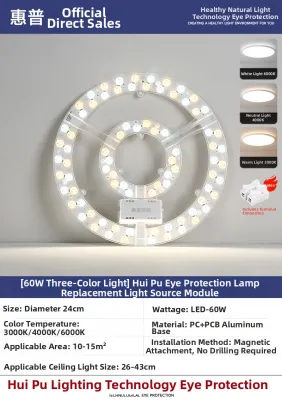
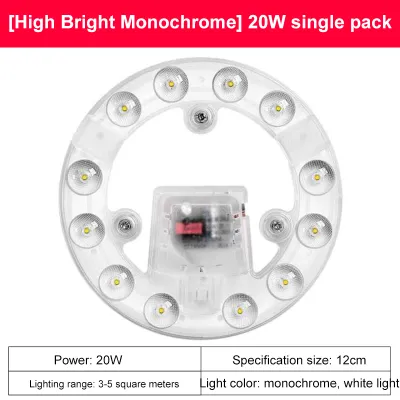
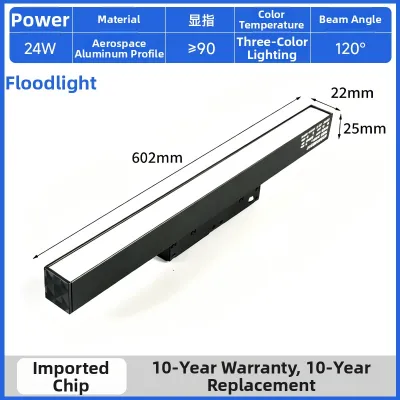
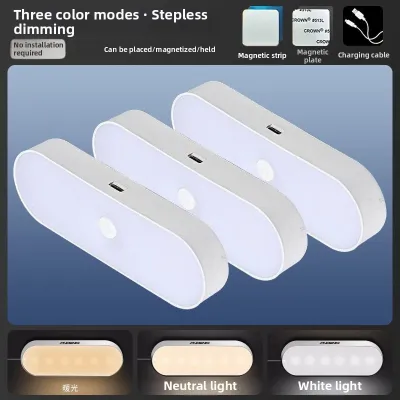

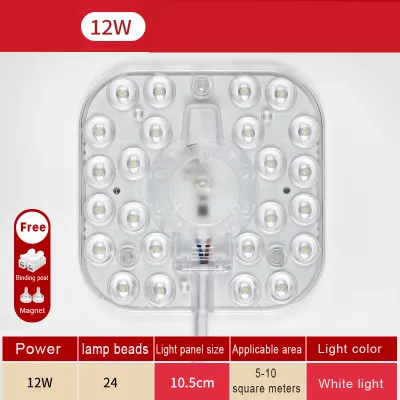
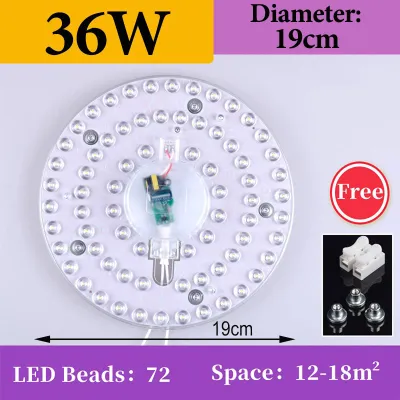
Prices are valid at publication and may change. Please refer to the product page for the latest price.
Once you have recorded the spatial volume, identify the primary function of the room to establish your baseline illumination requirements. A multi-purpose living room requires a flexible lighting scheme that can transition from bright, active settings to soft, relaxed atmospheres. In contrast, a kitchen or home office demands focused, high-intensity task lighting over countertops and desks. Defining these functional zones early helps you determine whether you need concentrated spotlights, wide-angle floodlights, or a combination of both along your magnetic track.
Finally, inspect your existing ceiling structure and electrical layout for compatibility. Magnetic ceiling lights require a dedicated power source connected to an external driver that converts standard household AC voltage to safe low-voltage DC (typically 24V or 48V). Locate your existing junction boxes and assess whether your ceiling is made of concrete slabs or suspended gypsum board. Suspended ceilings are highly suitable for recessed magnetic tracks, whereas concrete ceilings generally require surface-mounted or suspended track profiles.
Choosing the Correct Physical Size and Layout
Matching the physical dimensions of the magnetic track to your ceiling’s architectural features is essential for maintaining visual balance. A track system that is too short can look lost in a large room, while an excessively long or complex layout can make a compact space feel cluttered and visually heavy. For standard rectangular rooms, a straight linear track running parallel to the longest wall is a reliable choice. For larger, open-plan living and dining zones, L-shaped, U-shaped, or closed-loop rectangular configurations help define distinct functional areas.

To avoid proportion mistakes, keep track lengths proportional to the usable ceiling area. In a small bedroom or study of approximately 9 to 12 square meters, a single track length of 1.5 to 2 meters is usually sufficient to host the necessary light modules. For larger spaces exceeding 20 square meters, you can comfortably extend the track to 4 meters or more, or install parallel tracks spaced evenly apart. Always ensure the track layout leaves a comfortable margin of at least 50 to 60 centimeters from the walls to prevent harsh light scallops and unwanted shadows.
Layout planning must also prioritize uniform light distribution. Instead of clustering all your magnetic light modules in one section, space them out along the track to cover the entire room. Linear accent modules are excellent for providing soft, ambient background light, while adjustable spotlights can be directed toward artwork, shelving, or seating areas. This distributed approach ensures that light overlaps smoothly at the working plane, eliminating dark corners and reducing the high-contrast glare that often causes eye strain.
Determining Wattage and Brightness Output
To select the right light modules, you must understand the relationship between wattage, lumens, and luminous efficacy. Wattage indicates the amount of electrical power a fixture consumes, whereas lumens measure the actual volume of visible light emitted. Modern LED magnetic modules are highly efficient, typically delivering between 80 and 100 lumens per watt. When browsing product labels, focus primarily on the lumen rating rather than wattage alone, as two modules with the same wattage can produce different brightness levels depending on their internal driver and LED chip quality.
To estimate the total lumens required for your space, you can use general lighting guidelines based on lux levels (lumens per square meter). For general ambient lighting in living rooms and bedrooms, a target of 150 to 200 lux is standard. For task-heavy areas like kitchens, home offices, or vanity spaces, aim for 300 to 500 lux. Multiply your room’s square footage or square meters by these target lux values to find the total lumen output required. For example, a 15-square-meter living room targeting 150 lux requires a cumulative output of approximately 2,250 lumens across all installed modules.
After calculating your total lumen needs, verify the maximum wattage limits of your magnetic track driver. The total wattage of all connected light modules must never exceed the rated capacity of the power driver; in fact, it is best practice to observe the 80% rule, leaving a 20% safety margin to prevent driver overheating and prolong the system’s lifespan. Additionally, check the manufacturer’s specifications to ensure the driver and modules are compatible with your preferred dimming method, whether you plan to use traditional Triac wall dimmers, 0-10V systems, or smart home wireless protocols.
Adjusting for Room Function, Decor, and Natural Light
Fine-tuning your magnetic ceiling light setup involves adjusting brightness and placement to match the room’s daily usage patterns. In task-heavy zones, position adjustable spotlights directly above work surfaces to provide clear, shadow-free illumination. In relaxation zones, such as bedrooms or media rooms, opt for recessed linear modules with frosted diffusers or honeycomb louvers that soften the light output and minimize direct glare when you are lying down or watching television.
Your room’s interior decor and color palette also play a significant role in light absorption and reflection. Spaces with light-colored walls, white ceilings, and glossy tiled floors reflect light efficiently, meaning you can achieve your desired brightness with lower-wattage modules. Conversely, rooms featuring dark accent walls, matte finishes, or heavy wooden furniture absorb a substantial amount of light. If your space has dark decor, you will need to increase your total lumen target by 10% to 20% to maintain a bright, welcoming atmosphere.
Natural daylight availability and color temperature selection are equally important. Rooms with large, east- or west-facing windows receive abundant natural light during the day, reducing the need for high-intensity artificial lighting until sunset. When choosing color temperatures, consider how they interact with your decor. Warm white (2700K to 3000K) enhances warm wood tones and creates a cozy, intimate feel, while cool white (4000K to 5000K) complements modern, minimalist designs and keeps functional spaces looking crisp and clean. Many modern magnetic modules offer tunable white technology, allowing you to adjust the color temperature dynamically throughout the day.
Installation Clearances and Safety Boundaries
Before finalizing your purchase, you must verify the physical clearances required for your chosen magnetic track system. Recessed magnetic tracks require a specific cavity depth within the ceiling, often ranging from 40 to 75 millimeters. Measure your ceiling plenum space carefully to ensure the track profile will not conflict with structural concrete slabs, wooden joists, or utility pipes. If your ceiling cavity is too shallow, pivot to a surface-mounted or suspended track system, which delivers the same modular benefits without requiring deep ceiling cuts.
Electrical safety is paramount when installing fixed wiring systems. Standard household electricity in the Philippines operates at 220V AC, which must be routed to the low-voltage magnetic track driver. Ensure that the driver you select is certified by local or international electrical safety standards and is housed in a well-ventilated, accessible location for future maintenance. Never exceed the maximum electrical load limits of your home’s lighting circuit, and always verify that the wire gauge used is appropriate for the total current draw of your system.
Always isolate the power at the main circuit breaker before attempting any installation, modification, or maintenance on your magnetic ceiling light system. Working at heights and handling fixed electrical wiring carry inherent risks of falls and electrical shock. If you are unsure about ceiling load capacities, driver wiring, or cutting into your ceiling structure, stop immediately and consult a licensed electrician or a qualified professional installer to complete the work safely and in compliance with the Philippine Electrical Code.
Frequently Asked Questions (FAQ)
Can I use a higher wattage magnetic ceiling light in a small room?
Using excessively high-wattage magnetic light modules in a small room is generally not recommended because it can lead to intense glare, visual discomfort, and unnecessary heat buildup. In confined spaces, high-output lights reflect harshly off nearby walls and floors, causing eye strain. Additionally, high-wattage modules generate more heat, which can shorten the lifespan of the LEDs if the room lacks adequate ventilation. If you require flexibility, it is highly recommended to install a dimmable driver system or use multiple lower-wattage modules distributed along the track, allowing you to adjust the brightness to comfortable levels.
How do I calculate the exact lumens needed for my specific room?
To calculate the estimated lumens needed, multiply your room’s total floor area in square meters by the recommended lux level for that specific room type. For example, if you have a bedroom that measures 4 meters by 3 meters, your floor area is 12 square meters. Since bedrooms typically require a relaxed ambient light level of about 150 lux, your calculation would be 12 square meters multiplied by 150 lux, resulting in a target of 1,800 lumens. You can then meet this target by distributing the lumens across several low-wattage magnetic modules, such as three 6-watt modules that produce roughly 600 lumens each, ensuring balanced and even coverage.

Community discussion
Share your experience or ask a question. Comments are reviewed before publication.