
Finding the perfect lamp shade for your living room lamp is a matter of balancing visual proportions with physical compatibility. To get the right fit, the shade’s width should be roughly equal to the height of the lamp base, while the shade’s height should be about two-thirds of the base’s height. Additionally, the shade must completely cover the internal electrical components without touching the bulb. By taking a few precise measurements of your lamp base and understanding your existing hardware, you can easily select a replacement shade that looks balanced and functions safely in your home.
Step 1: Measure Your Existing Lamp Base
To begin, place your lamp on a flat, stable surface like a dining table or a sturdy console. Remove the existing shade, bulb, and any detachable hardware so you can access the bare lamp base. This ensures your measurements are accurate and not skewed by old fittings.
Use a reliable metal tape measure to find the base height. Measure from the very bottom of the lamp’s physical base up to the neck, stopping exactly where the electrical socket begins. Do not include the socket itself or the harp in this measurement, as these are considered hardware rather than part of the decorative base.
Products mentioned in this guide
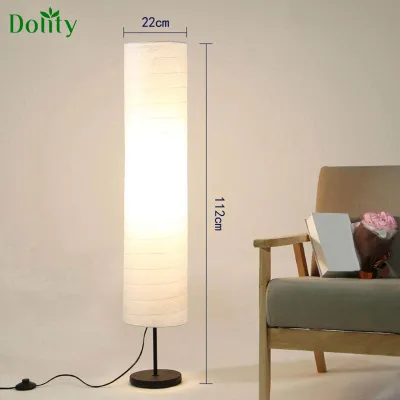
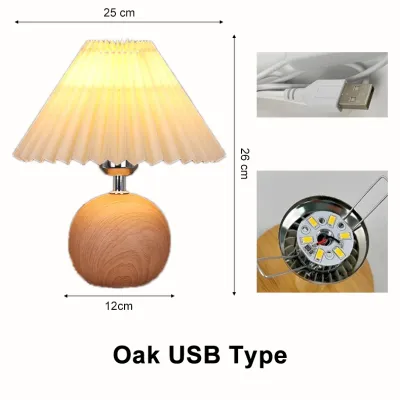
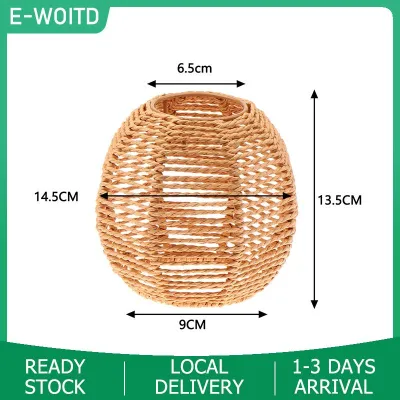
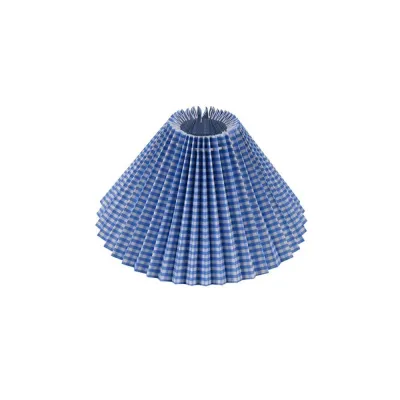
Prices are valid at publication and may change. Please refer to the product page for the latest price.
Next, determine the widest part of the lamp base. For a round or ginger-jar style base, this will be the diameter at the plumpest section. For square, rectangular, or sculptural bases, measure across the widest horizontal span. Write this number down, as it dictates the minimum width your new shade must have to avoid looking top-heavy or awkwardly narrow.
Finally, examine the top of the lamp to identify the fitter type. Look at how the current shade connects to the lamp. If it sits on a U-shaped metal wire frame, you have a spider fitter. If it screws directly onto the socket thread, it is an uno fitter. If it clamps directly onto the glass of a light bulb, it is a clip-on fitter. Note these details carefully, as buying the wrong fitter type will prevent the shade from mounting securely.
Step 2: Determine the Ideal Lamp Shade Dimensions
Achieving a balanced look relies on classic design proportions. As a general rule of thumb, the height of your lamp shade should be approximately two-thirds of the height of the lamp base. For example, if your living room lamp base measures 30 centimeters from the bottom to the socket, your ideal shade height should be roughly 20 centimeters.

For the width, the bottom diameter of the shade should be within a few centimeters of the overall height of the lamp base. Using the same 30-centimeter base, look for a shade with a bottom width of approximately 28 to 32 centimeters. Additionally, the shade’s bottom opening must always be wider than the widest part of the lamp base to maintain a grounded, proportional silhouette.
In Philippine living rooms, space planning and furniture placement play a significant role in choosing these dimensions. If your lamp sits on a narrow side table next to a sofa or along a high-traffic hallway console, a wide drum or empire shade might easily be bumped by passing family members or guests. In these tighter layouts, consider a rectangular, oval, or square shade that sits flush against the wall, saving valuable space while still delivering ample light.
You must also consider the height of the seating in your living room. When you are sitting on your sofa or armchair, the bottom of the lamp shade should be at eye level. This positioning ensures that the bright glare of the bulb is shielded from your direct line of sight, creating a warm, comfortable ambiance for evening relaxation or conversation.
Step 3: Check the Fitter Type and Hardware Compatibility
Before purchasing a new lamp shade, you must ensure its mounting style matches your lamp’s hardware. The most common style is the spider fitter, which features a small central ring supported by metal spokes. This ring rests on top of a metal wire support called a harp, which is secured in place by a decorative screw-on cap known as a finial. If your lamp uses this system, you must verify that the harp height matches the new shade’s drop to keep the hardware hidden.
An uno fitter, by contrast, features a larger inner ring that threads directly onto the lamp socket before the bulb is screwed in. This style is highly common on smaller accent lamps and task lights. If your lamp has a threaded socket, look specifically for an uno shade, as a spider shade cannot be mounted without purchasing separate, specialized adapter kits.
For small accent lamps or secondary reading lights, you might encounter clip-on fitters. These have wire loops that expand to grip the glass bulb directly. While convenient, clip-on shades are generally limited to small, lightweight designs and are best paired with low-wattage or LED bulbs to prevent heat damage to the shade material.
Always verify the physical clearance between the bulb and the shade material. Standard safety guidelines recommend maintaining a minimum clearance of at least 5 to 8 centimeters between the bulb and the inner wall of the shade. Check the manufacturer’s wattage limit label on your lamp socket; using a bulb that exceeds this limit can generate excessive heat, posing a fire hazard or scorching delicate fabric and paper shades, especially in warm, humid tropical environments.
Step 4: Select the Right Shape and Material for Your Living Room
The shape of your lamp shade dictates how light is distributed throughout your living room. A classic drum shade, with its vertical sides, casts light equally upward and downward, making it excellent for general ambient illumination. An empire shade, which tapers toward the top, directs the majority of its light downward, making it ideal for reading or highlighting a specific tabletop surface.
Material selection affects both the quality of light and the durability of the shade. Fabric shades, such as linen or cotton, diffuse light beautifully, creating a soft, inviting glow. However, in highly humid tropical climates, delicate paper or untreated silk shades can warp, sag, or develop mildew over time. For long-term durability in humid conditions, opt for high-quality linen, treated cotton, or robust glass and metal shades that resist moisture damage.
The color of the inner liner is another critical factor that influences the perceived color temperature of your room. A white or silver inner liner reflects light efficiently, preserving the clean, bright output of your bulb. A gold liner, on the other hand, warms up the light, casting a rich, cozy amber glow that can make a spacious living room feel incredibly intimate and welcoming during the evening.
Step 5: Verify the Fit and Final Installation Checks
Once your new lamp shade is mounted, step back and conduct a thorough visual inspection from various seating positions in the room. The bottom of the shade should completely conceal the socket, the neck of the lamp, and any internal hardware. If you can see the bare bulb or the metal socket when sitting down, the shade is either sitting too high or the harp is too tall.
Next, perform a physical stability check. Gently wiggle the shade to ensure it is level and does not tilt to one side. If you are using a spider fitter, make sure the finial is screwed down firmly but not overtightened, which could crack the decorative cap or strip the threads. For uno fitters, ensure the collar is threaded securely onto the socket without cross-threading.
Finally, turn the lamp on and let it run for about fifteen to twenty minutes. Carefully place your hand near the top opening of the shade to check for heat buildup. The air should feel warm but not hot, and the shade material itself should remain cool to the touch. If the shade feels excessively hot, immediately switch off the lamp and consider replacing the bulb with a cooler-running LED alternative or choosing a wider shade to improve ventilation.
Frequently Asked Questions (FAQ)
Can I use a lamp shade from a different brand on my existing lamp?
Yes, you can absolutely use a lamp shade from a different brand on your existing lamp. Cross-brand compatibility does not depend on the manufacturer’s name, but rather on matching the fitter type, socket dimensions, and overall proportions. As long as the new shade uses the same mounting style—such as a spider, uno, or clip-on fitter—and fits the physical dimensions of your lamp’s harp or socket, it will install securely and function perfectly.
What should I do if my lamp shade is too close to the light bulb?
If your lamp shade sits too close to the light bulb, you must address it immediately to prevent heat damage or safety hazards. If you are using a spider fitter, you can swap out your current harp for a wider or taller version to adjust the bulb’s position relative to the shade. Alternatively, switching to a modern LED bulb is a highly effective solution, as LEDs emit significantly less heat than traditional incandescent bulbs, reducing the risk of scorching even with tighter clearances.
How do I clean and maintain different lamp shade materials?
Routine maintenance keeps your lamp shade looking fresh and prevents dust buildup, which can dim your living room’s light. For fabric and paper shades, use a soft-bristled brush, a clean microfiber cloth, or a lint roller to gently remove dust from the surface. For glass or metal shades, wipe them down with a slightly damp microfiber cloth, ensuring the lamp is unplugged and completely cool before cleaning. Avoid using harsh chemical cleaners or soaking fabric shades in water, as moisture can damage the inner adhesive backing; for stubborn stains on delicate materials, consult a professional cleaner.

Community discussion
Share your experience or ask a question. Comments are reviewed before publication.