
Finding the right long lamp shade requires balancing physical dimensions, hardware compatibility, and visual proportions. A well-chosen shade does more than diffuse light; it anchors your lamp base to its surroundings while preventing safety hazards like heat buildup. By taking precise measurements of your existing base and understanding how different fitters attach, you can confidently select a replacement shade that looks intentional and functions safely in your home.
Whether you are updating an old favorite or assembling a new lighting setup, the relationship between the base and the shade determines both the aesthetic success and the physical stability of your lamp. Taking the time to evaluate your space and measure your components ensures a secure fit that complements your interior decor.
Assess Your Lamp Base and Room Proportions
Before purchasing a long lamp shade, evaluate the physical structure of your existing lamp base. A long shade, which features an extended vertical profile, requires a base with enough physical weight or visual presence to anchor it. If your lamp base is extremely thin, lightweight, or narrow, pairing it with an elongated shade can make the entire assembly look top-heavy and physically unstable. Look for bases made of heavy ceramic, thick glass, solid wood, or cast metal that can visually and physically support the taller silhouette of a long shade. Columnar bases, heavy ginger jars, and thick geometric shapes tend to pair exceptionally well with the clean, vertical lines of a long drum or cylinder shade.
Products mentioned in this guide
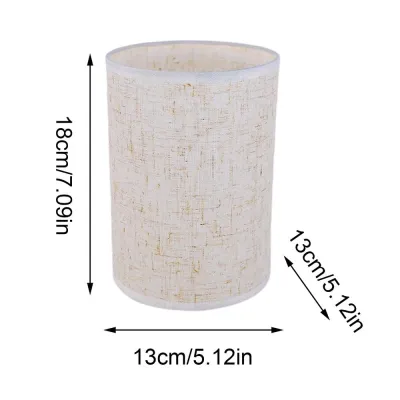
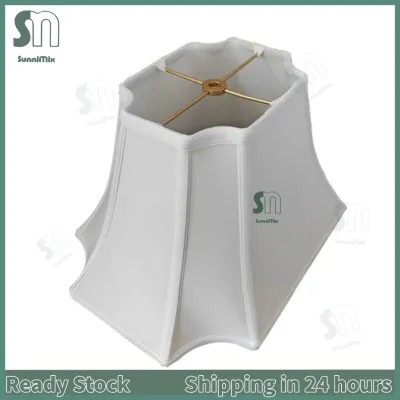
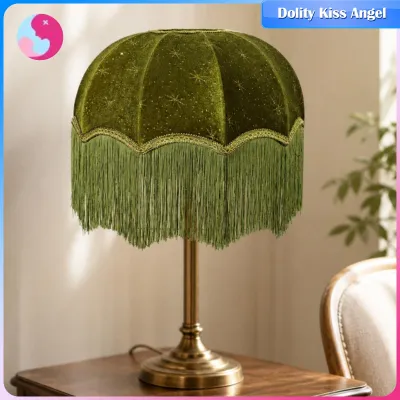
Prices are valid at publication and may change. Please refer to the product page for the latest price.
The placement of the lamp within your room also dictates the maximum allowable dimensions of the shade. If the lamp sits on a narrow console table in a high-traffic hallway or entryway, a wide or overly protruding shade might obstruct pathways, leading to accidental bumps. For bedside tables, ensure the height and width of the shade do not block your sightlines when sitting up or lying down, and verify that the shade does not interfere with nearby wardrobe doors or window treatments. In tropical environments where ceiling fans are common, a secure, well-proportioned shade is essential to prevent constant swaying or wobbling from overhead drafts.
Additionally, consider the primary function of the lamp in that specific space. If the lamp is intended for ambient lighting in a living room, a semi-translucent fabric shade that diffuses light outward is often chosen. For task lighting on a desk or reading nook, a more opaque or downward-focused shade shape helps direct the light exactly where it is needed. Matching the shade’s shape and opacity to its functional role ensures your room is illuminated effectively without creating uncomfortable glare.
How to Measure for the Correct Long Lamp Shade Dimensions
Achieving a balanced look requires precise measurements of your lamp base. To determine the ideal height for your new shade, start by measuring the lamp base height. Place your measuring tape at the very bottom of the lamp base and measure straight up to the top of the electrical socket, making sure to exclude the harp or any decorative finials. As a general guideline for classic proportions, the height of the shade should be approximately two-thirds the height of the lamp base, though long shades often stretch this ratio to create a more dramatic, modern vertical line.

Next, measure the widest part of your lamp base to establish the minimum bottom diameter of the shade. To ensure the lamp looks visually grounded and physically stable, the bottom diameter of the shade should be wider than the widest part of the base. If you are pairing a round shade with a square or rectangular base, measure the diagonal width of the base to ensure the shade’s bottom opening fully encompasses the base’s footprint visually.
      +---------------+
      |   Lampshade   |
      |               |
      +-------+-------+
              | <--- Clearance (Check manufacturer limits)
           [Bulb]
              |
         +----+----+
         | Socket  |
         +----+----+
              |
              | <--- Base Height (Measure to top of socket)
              |
      +-------+-------+
      |   Lamp Base   |
      +---------------+
Safety must be your primary concern when selecting a long shade, particularly regarding heat dissipation. You must check the required clearance between the light bulb and the interior walls of the shade, often referred to as the critical drop or safety spacing. If the shade walls sit too close to the bulb, heat can build up rapidly, creating a fire hazard or damaging the shade material. Always refer to the manufacturer’s specifications for minimum clearance distances, and ensure the bulb does not touch or sit too close to the lining of the shade. This is especially critical in warm tropical climates where ambient indoor temperatures are already elevated.
Identify the Right Fitter Type and Attachment Method
A long lamp shade must attach securely to your lamp base to prevent tilting, wobbling, or electrical hazards. The three most common fitter types are spider, uno, and clip-on fitters. Spider fitters are the most traditional style; they feature a central ring that sits on top of a metal support wire called a harp, secured in place by a decorative screw-on finial. Uno fitters, on the other hand, feature a built-in ring that threads directly onto the electrical socket, making them common on smaller accent lamps or downward-pointing fixtures. Clip-on fitters attach directly to the glass of the light bulb itself, which is generally suitable only for lightweight, smaller shades.
Before buying a new shade, inspect your existing lamp hardware to see what system is currently in place. If your lamp has a built-in saddle at the base of the socket, it is designed to hold a metal harp, meaning you will likely need a spider-fitter shade. If the socket has external threads, it is configured for an uno fitter. If you are transitioning to a long shade, you may need to purchase a different harp size or a specialized fitter adapter to adjust the height at which the shade sits, ensuring the bottom of the shade completely covers the electrical socket and neck of the lamp without sitting too low.
When selecting a long shade, pay close attention to the “drop” of the fitter. The drop is the vertical distance from the top rim of the shade down to the fitter ring. Because long shades have an extended vertical profile, they often feature a deep drop to keep the bulb centered within the shade. If the drop is deep, you will need a shorter harp to prevent the shade from sitting too high and exposing the socket. Conversely, a shallow drop requires a taller harp.
When handling any hardware near the socket, always ensure the lamp is completely unplugged from the wall outlet. If you need to replace a damaged socket or install a new harp saddle that requires loosening electrical connections, consult a qualified professional to ensure the wiring remains safe and compliant with local electrical standards. Verifying that your hardware is robust and correctly sized prevents the shade from shifting, which is especially important in homes with active pets, children, or frequent indoor drafts.
Choose Materials and Linings for Your Desired Lighting Effect
The materials and linings of your long lamp shade directly influence both the quality of light in your room and the durability of the fixture. Hardback shades are constructed by laminating fabric or paper onto a rigid plastic or metal liner, which prevents light from escaping through the sides and forces it to project upward and downward. This design creates a dramatic, focused pool of light and is highly effective for task lighting or creating strong visual contrast. Softback shades, conversely, are made by stretching fabric over a wire frame with a flexible fabric lining, allowing light to diffuse softly through the entire body of the shade for a warm, ambient glow.
The outer material of the shade also plays a significant role in your room’s atmosphere. Natural linen and cotton offer a textured, casual look that diffuses light evenly, making them excellent choices for living areas. Silk and faux silk provide a subtle sheen that elevates formal spaces, though they can be more sensitive to environmental factors. In humid tropical climates, paper and delicate silk shades can warp or degrade over time due to moisture in the air; synthetic blends, treated linens, or metal shades often provide better long-term durability and resistance to mold or sagging.
Do not overlook the interior lining of the shade, as its color and finish alter the reflected light. A white or silver lining reflects a clean, bright, and cool light downward, which is ideal for reading or working. A gold or brass-toned lining warms the light significantly, casting a cozy, amber glow that can make a room feel more inviting. When choosing a lining, consider how the reflected color temperature will interact with your existing wall colors and decor, keeping in mind that these visual effects are highly subjective and depend on your personal preferences.
Install the Shade and Verify the Final Fit
Once you have selected the correct long lamp shade and compatible hardware, the installation process must be handled with care. Begin by turning off the lamp switch and unplugging the power cord from the wall outlet to reduce the risk of electrical shock. Carefully remove the old shade, finial, or harp if you are replacing them, and set them aside. If your new setup requires a new harp, insert the prongs of the harp into the saddle slots on either side of the socket, sliding the protective caps down to lock the harp securely in place.
Next, place the fitter of your new long shade over the top of the harp or thread it onto the socket, depending on your fitter type. Gently tighten the finial or socket ring until the shade is firmly held in place. Before fully tightening, step back and inspect the lamp from multiple angles to verify that the shade sits properly level and does not wobble, tilt, or lean to one side. A crooked shade not only looks unprofessional but can also cause uneven heat distribution from the bulb.
Finally, verify that the light bulb you install complies with the maximum wattage limit printed on the shade’s safety label. Exceeding this wattage limit can cause the shade material to scorch, melt, or ignite. To minimize heat buildup inside a long, enclosed shade, consider using energy-efficient LED bulbs, which emit significantly less heat than traditional incandescent bulbs. Ensure the bulb is fully enclosed within the vertical profile of the long shade so that it is not visible from standing or sitting positions, which prevents direct glare. Once everything is secure and aligned, plug the lamp back into the outlet and turn it on to enjoy your newly balanced and safely installed light fixture.
Frequently Asked Questions (FAQ)
Can I use a long lamp shade on a short lamp base?
Using an exceptionally long lamp shade on a short lamp base is generally not recommended because it creates a severe visual imbalance. The lamp will often look top-heavy, making the base appear swallowed by the shade. Beyond the aesthetic drawbacks, a long shade on a short base can physically interfere with the table surface, preventing the shade from hanging straight or covering the base entirely. This configuration also raises the lamp’s center of gravity, significantly increasing the risk of the lamp tipping over if bumped.
How do I clean and maintain a fabric long lamp shade?
To keep your fabric long lamp shade looking clean and fresh, perform regular, gentle dusting to prevent dust from settling into the fibers. Use a soft-bristle brush attachment on a vacuum cleaner or a clean, dry microfiber cloth to gently wipe the exterior and interior surfaces. Always check the manufacturer’s care label before attempting to spot-clean any stains. Avoid using harsh chemical cleaners, bleach, or excessive water, as these can dissolve the adhesives holding hardback linings together, stain the fabric, or cause the metal frame to rust in humid environments.

Community discussion
Share your experience or ask a question. Comments are reviewed before publication.