
To successfully fit a capiz lamp shade to your existing lamp base, you must match the shade’s fitter type with your lamp’s hardware, measure the physical clearance around the bulb, and ensure the lamp base can support the weight of natural shells. Capiz shells, harvested from the windowpane oyster, are a traditional design element in tropical homes across the Philippines, offering a translucent, pearlescent glow. However, because these natural shells are heavier than paper or fabric and sensitive to heat, successful installation depends on precise physical measurements and proper hardware alignment.
Before purchasing a new shade, you must evaluate the mechanical connection between the lamp base and the shade frame. A mismatch can lead to a unstable assembly, damaged shells, or electrical hazards. By taking the time to identify your current hardware and measure the dimensions of your lamp, you can seamlessly integrate a beautiful capiz shade into your interior decor.
Identify Your Lamp Base Fitter Type
Recognizing the existing lampshade interface on your lamp base is the first step in determining which capiz shade fitter is compatible. The most common interface for medium to large capiz shades is the spider fitter. This system features a central ring with metal spokes (or spiders) that rest on top of a detachable wire support called a harp. The assembly is secured at the top by a decorative screw-on cap known as a finial. Because capiz shades carry significant weight due to their metal wire frames and cascading shell strands, the spider fitter provides the robust structural support needed to keep the shade level and secure.
Products mentioned in this guide
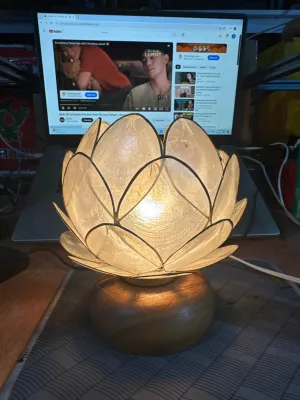
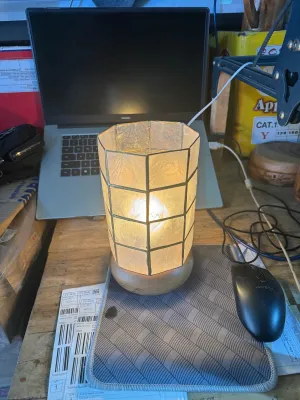
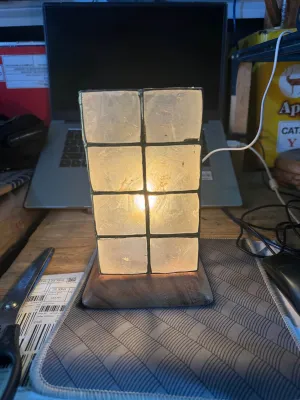
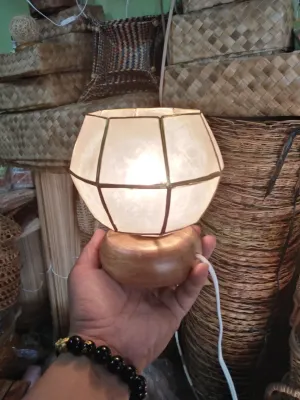
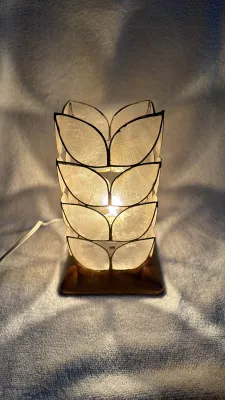
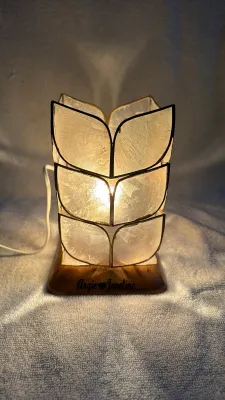
Prices are valid at publication and may change. Please refer to the product page for the latest price.
An uno fitter, by contrast, threads directly onto the lamp socket itself and does not require a harp or finial. This design is typically found on smaller, delicate bedside lamps or downward-pointing fixtures. If you are selecting a capiz shade with an uno fitter, you must verify whether your socket uses a threaded uno system or a slip-uno system, which is held in place by a plastic collar. Because the shade hangs directly from the socket, uno-fitted capiz shades are generally smaller and lighter to prevent putting excessive stress on the electrical socket housing.
For very small accent lamps, you might encounter a clip-on fitter. This mechanism features wire loops that expand to grip the glass surface of a standard light bulb directly. Because natural capiz shells are dense and heavy, clip-on fitters are strictly limited to miniature, lightweight accent shades. Attempting to mount a heavy or wide capiz shade onto a clip-on fitter can cause the bulb to tilt, strain the socket, or even crack the bulb glass under the weight.
Finally, some specialty lamps use chimney fitters or European-style collar interfaces. Chimney fitters are designed to slide over the glass chimney of an oil or hurricane lamp and are generally incompatible with standard capiz designs without a specialized adapter. If your lamp base features a non-standard interface, you must source a compatible adapter that converts the socket to a standard harp saddle before attempting to install a delicate shell shade.
Measure the Lamp Base and Harp Dimensions
Accurately measuring your current lamp hardware ensures that your new capiz shade fits proportionally and clears the light source safely. Begin by measuring the harp height, which is the distance from the bottom of the saddle (the metal bracket mounted directly beneath the light socket) to the top of the threaded post where the finial sits. This measurement determines the maximum internal height of the shade and ensures that the capiz strands will hang freely without bunching up or resting on the table surface.

Next, check the socket and bulb clearance to ensure the capiz shells do not rest against or dangerously close to the hot bulb. Use a ruler to measure the distance from the center of the light socket to the outer edge of the proposed shade frame. In warm, humid tropical climates, heat dissipation is critical for safety. You must maintain a minimum clearance of at least 5 to 8 centimeters between the bulb and the nearest capiz shell to prevent heat buildup, which can dry out the natural calcium carbonate structure of the shells and cause them to become brittle or discolored.
Evaluating the visual proportion of the lamp is also essential for a balanced design. A reliable rule of thumb is that the bottom diameter of the lampshade should be roughly equal to the height of the lamp base from the table to the bottom of the socket. Additionally, the shade height should be approximately two-thirds of the height of the lamp base. Ensure the drop of the capiz strands is long enough to cover the internal hardware completely when viewed from eye level, but not so long that it blocks access to the lamp’s power switch.
Check Capiz Lamp Shade Specifications and Weight Limits
Before finalizing your purchase from an online marketplace or local boutique, verify the exact fitter size and type on the product label or manufacturer specifications. Standard spider fitters typically have an inner ring diameter of approximately 1.1 centimeters (7/16 inch) to fit standard harp posts, while European utility fitters may require a larger 4-centimeter opening. Checking these specifications beforehand prevents the frustration of receiving a shade that cannot be secured to your existing hardware.
Because capiz shades are constructed from multiple layers of natural shells bound by thin brass or silver-toned wires, they are substantially heavier than standard fabric, paper, or plastic shades. You must assess the physical weight of the capiz shade against the footprint and weight of your lamp base. A lightweight plastic or thin ceramic base can easily become top-heavy and tip over under the weight of a large capiz shade. If your lamp base is light, consider budgeting around ₱500 to ₱1,500 for a heavier replacement base or a sturdy metal harp assembly to ensure stability.
Additionally, check the manufacturer’s maximum wattage and required bulb type restrictions. Natural capiz shells are organic materials that can warp, crack, or emit an unpleasant odor if exposed to excessive heat over long periods. To protect the delicate shells, it is highly recommended to use low-wattage LED bulbs rather than traditional incandescent bulbs. LED bulbs generate minimal surface heat, making them the safest choice for preserving the color and structural integrity of your capiz shade in warm environments.
Step-by-Step Installation and Safety Checks
To mount your capiz shade safely, begin by isolating the power source. Unplug the lamp from the wall outlet and allow the existing bulb to cool completely before handling any hardware. Never attempt to replace or adjust a lampshade while the lamp is connected to electricity, as this poses a risk of electrical shock or accidental burns.
Carefully remove the old shade, finial, and harp from the lamp base. If you are installing a new harp to accommodate the height of the capiz shade, squeeze the bottom prongs of the harp inward and slide them into the slots of the saddle mounted beneath the socket. Once the harp is securely in place, slide the flexible metal caps (called caps or ferrules) down over the saddle joints to lock the harp arms securely.
Next, gently lift the capiz shade and place the central fitter ring over the threaded post at the top of the harp. While holding the shade level with one hand, thread the decorative finial onto the post with your other hand. Tighten the finial by hand until it is snug and the shade does not move; do not use pliers or over-torque the finial, as excessive pressure can bend the delicate wire frame of the capiz shade or crack the surrounding shells.
Once secured, perform a final safety check by looking inside the shade to verify adequate, uniform clearance between the bulb and the natural capiz shells. If you notice any exposed wiring on your lamp base, if the base feels unstable under the weight of the new shade, or if the fitter threads do not align properly, stop the installation immediately. In these cases, consult a qualified electrician or the manufacturer to resolve the structural or electrical issues before using the lamp.
Troubleshooting Common Fitting Issues
If your capiz shade sits too low on the lamp base, exposing the unsightly socket hardware or blocking the power switch, you can easily adjust the height. Replace your current harp with a taller model, or install a dedicated harp riser onto the threaded post. A harp riser elevates the mounting point of the shade by several centimeters, allowing the cascading capiz strands to hang at the perfect visual height without interfering with the lamp’s operation.
If you discover that the spider ring of your new capiz shade is slightly larger than the top post of your harp, the shade will tilt and wobble. To resolve this compatibility issue, use a metal fitter reducer or a brass washer adapter. These small, inexpensive hardware inserts bridge the gap between a large fitter ring and a standard harp post, ensuring a tight, centered fit that keeps the shade perfectly level.
For lamps that become top-heavy and unstable after installation, you must address the base stability to prevent accidental tipping. You can add weight to a hollow ceramic or wooden base by carefully filling the internal cavity with dry sand, or by adhering heavy felt-covered steel weights to the underside of the base. If the base cannot safely support the load even with added weight, you should select a smaller, lower-profile capiz design that reduces the physical leverage on the lamp’s footprint.
Frequently Asked Questions (FAQ)
Can I use a clip-on capiz shade on an LED bulb?
Yes, you can use a clip-on capiz shade on an LED bulb, provided the bulb’s shape matches the clip mechanism and the shade is exceptionally lightweight. Standard round or A-line LED bulbs work best, as their durable plastic or glass housings offer a stable surface for the wire clips to grip. However, because natural capiz shells are heavier than paper, you must verify that the clip-on fitter has a strong tension grip and that the shade’s total weight does not exceed the bulb’s physical load capacity, which could cause the bulb to tilt or loosen in its socket.
How do I clean a capiz lamp shade without damaging the fitter?
To clean your capiz lamp shade safely, use a dry microfiber cloth or a soft feather duster to gently remove dust from the delicate shells and wire connections. Avoid using wet cloths, harsh chemical cleaners, or spraying water directly onto the shade, as moisture can seep into the porous capiz material and cause the metal fitter frame to rust over time. Always consult the manufacturer’s care instructions before applying any specialized cleaning solutions, and ensure the lamp is completely unplugged during cleaning.
What should I do if the capiz shade wobbles on the harp?
If your capiz shade wobbles, first inspect the metal fitter ring at the top of the shade for any visible bends or warping that might prevent it from sitting flat on the harp saddle. If the ring is straight, check the finial to ensure it is properly threaded and tightened down; a loose or stripped finial is the most common cause of an unstable shade. If the threads are damaged, replace the finial or the harp to ensure a secure, wobble-free connection that keeps the delicate shells safe from accidental movement.

Community discussion
Share your experience or ask a question. Comments are reviewed before publication.