
Replacing a lampshade is one of the quickest ways to update your interior decor, and choosing a black lampshade introduces an instant sense of drama, modern elegance, or cozy sophistication. Unlike lighter shades that diffuse light softly throughout a room, a black shade restricts lateral light, focusing the illumination into distinct upward and downward beams. To achieve this striking visual effect without compromising safety or proportion, you must measure your lamp accurately.
Finding the right replacement requires measuring three critical areas: the fitter attachment, the height, and the top and bottom widths. This guide walks you through the exact steps to measure your lamp base and existing shade so you can shop with confidence.
Gather Your Tools and Prepare the Lamp
Before you begin taking measurements, it is essential to set up a clean, stable workspace and gather a few basic tools. You will need a flexible measuring tape, which is ideal for wrapping around curved surfaces, and a rigid ruler for capturing straight vertical heights. A notepad or a smartphone is also helpful for recording your measurements immediately so you do not have to rely on memory.
Products mentioned in this guide
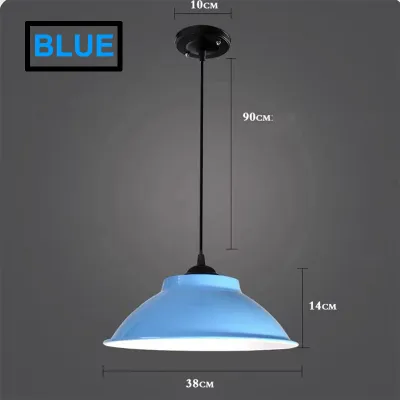

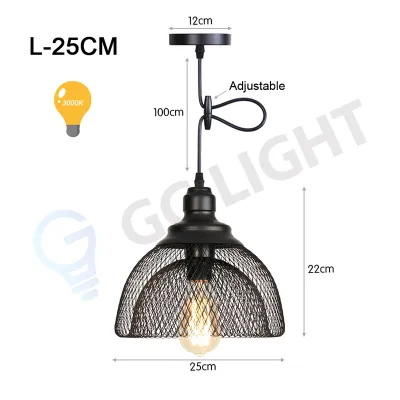
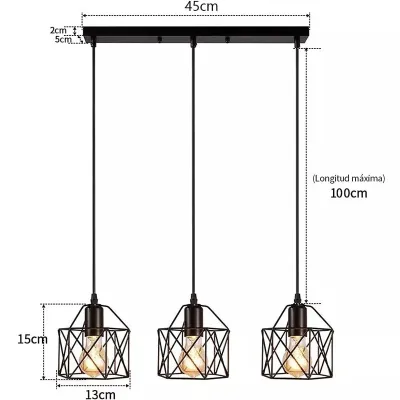
Prices are valid at publication and may change. Please refer to the product page for the latest price.
Safety is a paramount consideration, especially in humid tropical climates like the Philippines, where moisture can affect electrical components. Always unplug the lamp from the wall outlet before handling the socket, bulb, or metal frame. Ensure your hands are completely dry before touching any electrical parts.
Once the power is disconnected, carefully unscrew the finial or collar, remove the existing lampshade, and set it aside on a flat surface. This fully exposes the lamp base, the metal wire support, and the socket hardware so you can measure them accurately without any obstructions.
Identify the Fitter Type and Measure the Drop
The fitter is the metal inner structure of the lampshade that connects it to the lamp base. To ensure your new black lampshade mounts securely, you must identify which of the three common fitter types your lamp uses. A spider fitter is the most common variety; it features spokes that meet at a small central ring, which rests on top of a metal wire support called a harp and is secured with a decorative screw-on finial.

An uno fitter, by contrast, features a larger central ring that threads directly onto the electrical socket itself, often found on smaller bedside or accent lamps. A clip-on fitter features wire loops that squeeze directly onto the glass of a standard round lightbulb. Identifying this mechanism prevents the frustration of purchasing a shade that cannot physically attach to your lamp.
For spider fitters, you must measure the “drop,” which is the vertical distance from the very top plane of the shade down to the level of the central fitter ring. A deep drop hides the socket and harp, while a shallow drop might let the hardware peek out from underneath. For uno or clip-on fitters, measure the inner diameter of the fitter ring to ensure it matches the outer diameter of your socket or bulb.
Measure the Height for Proper Visual Proportion
Achieving the correct visual proportion is key to making your new black lampshade look like a natural extension of the lamp base. Start by measuring the total height of the lamp base, starting from the very bottom of the stand up to the top edge of the electrical socket. This measurement serves as the foundation for calculating the ideal shade height.
As a general design guideline, the height of the lampshade should be approximately one-third of the total height of the entire lamp assembly, or roughly two-thirds of the height of the lamp base alone. This proportion ensures the lamp does not look top-heavy or bottom-heavy. For example, if your lamp base is 12 inches tall, a shade height of approximately 8 inches will typically look balanced.
Additionally, you must verify that the proposed shade height is sufficient to completely cover the internal hardware. When the lamp is placed on a table, the shade must fully conceal the harp, the socket, and any visible neck wiring from eye level. This prevents any unsightly glare from exposed components when you are seated nearby.
Determine the Top and Bottom Diameters
The top and bottom diameters of your replacement shade define its overall shape and dictate how light is distributed in your space. To find the ideal bottom diameter, measure the widest part of your lamp base. The bottom of your new black lampshade should be at least as wide as this measurement, and ideally, it should be at least half an inch wider on all sides to maintain visual balance.
The relationship between the top and bottom diameters determines the shade’s silhouette. A drum shade has nearly identical top and bottom widths for a modern look, while an empire or coolie shade tapers sharply from a narrow top to a wide bottom for a traditional feel. Bell shades feature flared sides that add a touch of classic elegance.
Because black fabric absorbs light rather than letting it pass through the sides, the bottom diameter is especially critical. A wider bottom diameter allows a larger cone of light to escape downward, creating a brighter, more functional pool of light on your table or floor. Consider the surface area of your table to ensure the bottom diameter does not extend past the table edge, which increases the risk of the lamp being knocked over.
Check Bulb Wattage and Heat Clearances
Safety is the most critical factor when installing a dark-colored lampshade. Black fabrics and dark inner linings absorb more heat than lighter materials, which can lead to elevated temperatures inside the shade. Begin by inspecting the electrical socket for the manufacturer’s maximum wattage rating sticker and verifying the type of bulb currently installed.
If you are using a traditional incandescent bulb, consider switching to a cool-running LED bulb. LED bulbs generate significantly less heat and are highly compatible with dark shades, making them an excellent choice for tropical environments. Ensure the bulb’s base interface matches your socket, such as a standard E27 screw base.
Ensure there is at least 1 to 2 inches of physical clearance between the bulb and the inner walls of your proposed shade dimensions to allow heat to dissipate. If your lamp uses high-heat bulbs or if the desired black shade features a dark, heat-absorbing inner lining, stop and consult the lamp manufacturer or a qualified electrician to prevent any potential fire hazards or material damage.
Final Verification Before You Shop
Before you finalize your purchase on an online marketplace or at a local home decor store, take a moment to review your recorded notes. Compare your measured fitter type, drop length, shade height, and top and bottom diameters against the detailed product specifications provided by the seller. Do not rely on generic size descriptions like “small” or “large,” as these terms vary widely between manufacturers.
If your original lampshade fit perfectly and you are simply replacing it to update the style, keep its exact dimensions as your primary baseline reference. This final verification ensures that your new black lampshade will fit securely, look beautifully proportioned, and function safely in your home.
Frequently Asked Questions (FAQ)
Will a black lampshade make my room too dark?
A black lampshade restricts the lateral, ambient glow that passes through the fabric, but it does not necessarily make the entire room dark. The light output depends heavily on the inner lining. A white or reflective gold inner lining will bounce light efficiently out of the top and bottom of the shade, creating a dramatic, focused pool of light. If you need bright, overall room illumination, a black shade might feel too dim; however, for accent, mood, or task lighting, it provides excellent contrast.
Can I use a black lampshade on a lamp with a visible harp?
Yes, you can use a black lampshade on a lamp with a visible harp, provided you measure the drop and height correctly. The drop of the spider fitter must be deep enough so that the bottom rim of the black shade extends past the bottom of the harp and covers the socket. If the drop is too shallow, the metal harp and socket will be exposed underneath, which can disrupt the clean, sophisticated aesthetic of a dark shade.

Community discussion
Share your experience or ask a question. Comments are reviewed before publication.