
Finding the right light cover replacement for your lamp is more than just picking an appealing design. To ensure a secure fit and safe operation, you must measure three primary dimensions: the top diameter, the bottom diameter, and the vertical or slant height. Additionally, you must identify the specific fitter type that connects the cover to your lamp base and verify that the new cover allows for proper heat dissipation. In warm, humid environments like the Philippines, ensuring adequate airflow around the bulb is particularly important to prevent heat buildup and protect your electrical components. Taking precise measurements before browsing online marketplaces or local lighting stores will save you time, money, and the frustration of wasting ₱1,000 or more on an incompatible replacement.
Tools You Need Before Measuring
To get accurate measurements, you need the right tools on hand. A flexible measuring tape, such as a tailor’s tape, is indispensable for measuring curved surfaces, globes, or the sloping sides of tapered shades. For straight edges, flat openings, and small fitter components, a rigid metal ruler or a standard construction tape measure provides the stability needed for precise linear readings.
Keep a notepad or a digital device nearby to sketch the profile of your lamp and record each dimension as you measure it. Drawing a quick diagram of the existing light cover helps you visualize where each measurement belongs and prevents confusion when comparing options later. If you are replacing a damaged glass cover, handle the pieces with care and use protective gloves to avoid injury while taking measurements.
Products mentioned in this guide
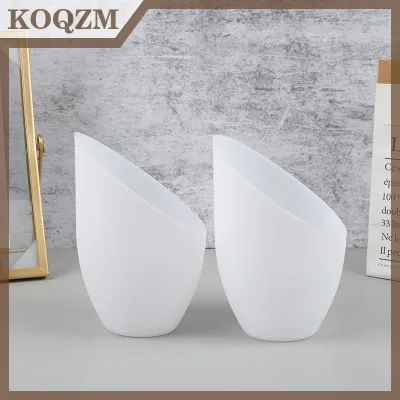
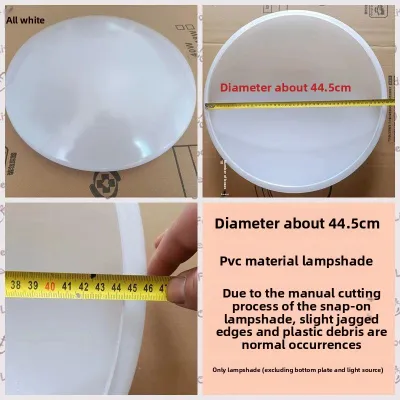
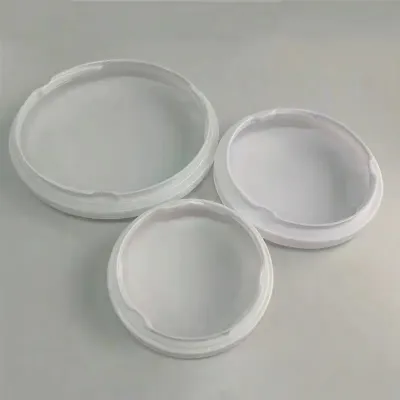
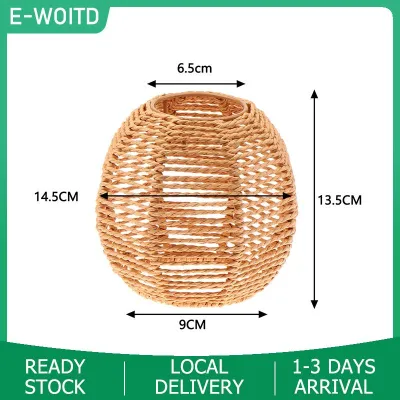
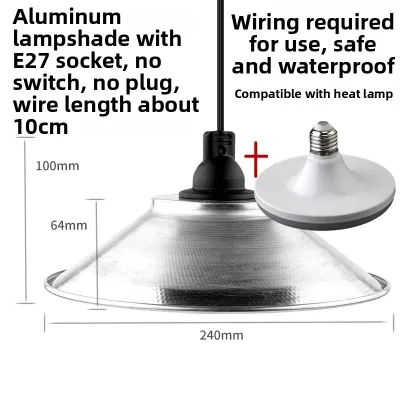
Prices are valid at publication and may change. Please refer to the product page for the latest price.
Step-by-Step Guide to Measuring Lamp Dimensions
Measuring a light cover requires capturing its physical boundaries systematically. Measuring an existing cover directly is the most straightforward path. If the cover is missing, you will need to measure the lamp base and surrounding space to estimate the ideal dimensions.

Begin by measuring the top diameter. Lay your ruler or measuring tape straight across the center of the upper opening, from the outer edge of one side to the outer edge of the opposite side. This measurement is crucial for open-top shades, as it dictates how much light escapes upward and how much of the internal hardware remains visible.
Next, measure the bottom diameter. Place your measuring tool across the widest part of the lower opening. The bottom diameter determines the spread of light downward and defines the overall footprint of the lamp. For drum and cylinder shades, the top and bottom diameters will be identical, while tapered shapes like empire or coolie shades will have a significantly larger bottom diameter.
To measure the height, you must distinguish between vertical height and slant height. Vertical height is the straight perpendicular distance from the top plane of the cover to the bottom plane. You can measure this by placing the cover on a flat table and holding a ruler straight up next to it. Slant height, on the other hand, is measured along the sloping side of the cover from the top rim to the bottom rim. Many replacement covers, especially fabric shades, are cataloged by their slant height, so recording both numbers ensures you can match any manufacturer’s specifications.
Finally, note the exact geometric shape profile of your current cover. Common shapes include drum, bell, empire, square, and globe. Even if two covers share the same top, bottom, and height measurements, a difference in shape profile can completely alter how the cover sits on the lamp base and how it distributes light. For instance, a bell shade curves inward before flaring out, which requires different internal clearance than a straight-sided empire shade.
Identifying the Correct Fitter Type and Size
The fitter is the physical mechanism that attaches the light cover to the lamp base. Even if you find a cover with the perfect dimensions, it will not function if the fitter type is incompatible with your lamp’s hardware.
The most common fitter types include spider, uno, clip-on, and chimney fitters. A spider fitter features a central ring with multiple metal spokes that sit on top of a metal wire support called a harp, secured at the top with a decorative screw-on finial. An uno fitter features a larger central ring that threads directly onto the lamp socket, typically found on downward-pointing lamps or smaller accent lights. Clip-on fitters feature wire loops that clip directly onto the glass bulb itself, commonly used for small accent lamps or wall sconces. Chimney fitters are designed primarily for glass covers, featuring a metal ring or gallery that rests on a glass chimney or fits into a specific collar on the lamp base.
To measure the fitter size, use a rigid ruler to find the inside diameter of the fitter ring. For spider fitters, the standard ring size is typically small, designed to fit over a standard 1/4-inch threaded top of a harp. For uno fitters, the ring must match the outer diameter of your lamp socket, which can vary between standard and European sizes.
Inspect your lamp base to confirm if a harp is present or if the socket has external threads. If your lamp has a removable harp, you can easily swap it out for a different height to accommodate a new shade. If there is no harp and the socket is smooth, you will likely need an uno or clip-on fitter unless you install a harp adapter.
Checking Bulb Clearance and Heat Safety
Ensuring adequate space between the light bulb and the inner walls of the light cover is a critical safety consideration. When a light bulb operates, it generates heat. If the cover is too small or sits too close to the bulb, this heat can become trapped, potentially scorching fabric, cracking glass, melting plastic, or degrading the electrical socket.
Measure the distance from the outer surface of the bulb to the inner surface of the proposed cover. As a general safety check, maintain at least several centimeters of open space around the bulb to allow air to circulate freely. In tropical regions like the Philippines, where ambient indoor temperatures and humidity are naturally higher, this ventilation gap is even more important to prevent premature bulb failure and electrical hazards.
Always check the lamp base for a maximum wattage label before selecting a new cover. The wattage rating indicates the maximum thermal load the lamp’s wiring and socket can safely handle. If you plan to use high-heat bulbs, such as traditional incandescents or halogens, you must strictly adhere to these limits and ensure your cover material is highly heat-resistant. If you transition to modern LED bulbs, they generate significantly less heat, but they still require adequate ventilation to protect their internal driver electronics from overheating.
Before finalizing your purchase, verify the voltage, base or interface type, wattage limit, dimensions, dimming method, installation environment, and electrical certification of your lamp setup. For fixed wiring fixtures, damp areas like bathrooms, work at height, or suspended loads, always isolate the power at the main circuit breaker and follow the manufacturer’s installation instructions. If you are unsure about the safety of a fixed electrical installation, consult a qualified professional.
Matching the Light Cover to Your Lamp Base Proportions
While safety and physical compatibility are paramount, achieving the right visual proportions ensures your replacement cover looks balanced on your lamp base. Decorative style, perceived color temperature, and spatial effects are conditional preferences rather than universal performance facts, but following established design guidelines can help you avoid a top-heavy or awkward appearance.
A reliable guideline for width is that the bottom diameter of the light cover should be approximately equal to the height of the lamp base, measured from the very bottom of the base to the start of the electrical socket. Additionally, the cover’s widest point should be at least as wide as the widest part of the lamp base to maintain a grounded, stable look.
For height, the cover should generally represent about one-third to one-quarter of the total height of the lamp, including both the base and the cover. If the cover is too short, the lamp may look unfinished or expose too much of the internal hardware; if it is too tall, the lamp can appear visually overwhelmed and physically unstable.
Consider the visual weight of your lamp base when choosing a cover material and shape. A heavy, ornate ceramic or brass base can support a larger, more structured cover, such as an empire or bell shape. Conversely, a thin, minimalist metal base pairs better with a lighter, simpler cover, such as a small drum or cylinder. Always verify that the physical weight of the new cover does not compromise the stability of the lamp, preventing it from tipping over easily.
Frequently Asked Questions (FAQ)
Can I use a light cover with a different fitter type than my lamp?
Yes, you can often use adapters to bridge different connection types, but you must do so with caution. For example, you can purchase clip-on adapters that convert a spider fitter shade for use on a lamp without a harp, or uno-to-spider adapters. However, these adapters can alter the height at which the cover sits and may introduce stability issues. Always ensure the adapter is rated for the weight of your new cover and does not allow the cover to wobble or tilt, which could bring it dangerously close to the hot bulb.
What if my lamp has no harp and I want to use a spider fitter shade?
If your lamp base does not have a built-in harp but you want to use a spider fitter cover, you can install a removable harp. To do this, check if your lamp socket base has a saddle—the metal bracket that sits beneath the socket shell. If a saddle is present, you can simply slide a matching harp into the slots. If there is no saddle, you can use a slip-on harp adapter that slides over the socket before you screw in the bulb, or opt for a clip-on adapter that attaches directly to the bulb to support the spider ring.
How do I measure a square or rectangular light cover?
To measure a square or rectangular light cover, you must record the length and width of both the top and bottom openings instead of a single diameter. Measure straight across the edges for both the short and long sides. Additionally, measure the diagonal distance from corner to corner on both openings. The diagonal measurement is critical because it represents the widest point of the cover and ensures the corners will clear the lamp’s internal hardware, bulb, and any nearby walls or obstacles.

Community discussion
Share your experience or ask a question. Comments are reviewed before publication.