
Finding the right replacement light bulb shade for your lamp is a matter of matching three key elements: the physical proportions of your lamp base, the specific fitting mechanism of your fixture, and the safety clearance required by your light bulb. A mismatched shade can make a beautiful lamp look awkward, block too much light, or even create a safety hazard due to trapped heat. By taking a few precise measurements with a standard tape measure, you can confidently select a replacement shade that restores both the beauty and functionality of your lighting fixture while enhancing the overall ambiance of your room.
Understand Lampshade Shapes and Proportions
Lampshades come in several classic shapes, each offering a distinct visual style and light distribution pattern. Drum shades have vertical or near-vertical sides, casting light equally upward and downward to create a modern, clean aesthetic with balanced ambient lighting. Empire shades feature a narrow top and a wide, flared bottom, which directs the majority of the light downward, making them excellent choices for reading lamps and task lighting. Bell shades offer a graceful, curved flare that provides a traditional look and a exceptionally wide spread of light. Square and rectangular shades have flat sides and sharp corners, making them highly suitable for placing close to walls or on narrow console tables where space is limited.
To achieve visual harmony, follow a few classic design proportion rules. The height of the shade should be approximately two-thirds of the height of the lamp base, measured from the bottom of the base to the bottom of the electrical socket. The bottom width of the shade should be roughly equal to the height of the lamp base. Additionally, the widest part of the shade should be at least as wide as the widest part of the lamp base itself to maintain a balanced silhouette.
Products mentioned in this guide
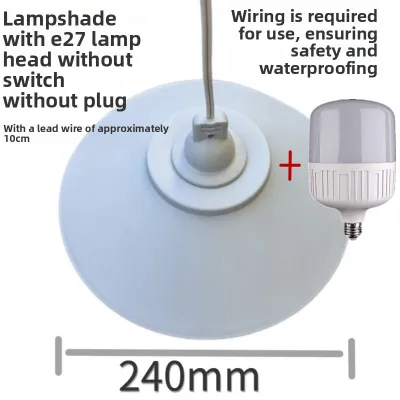
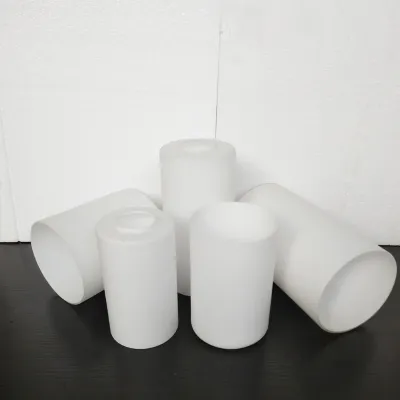
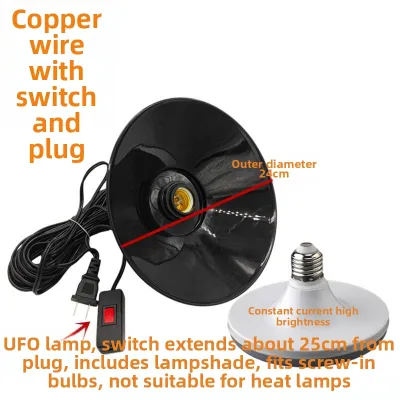
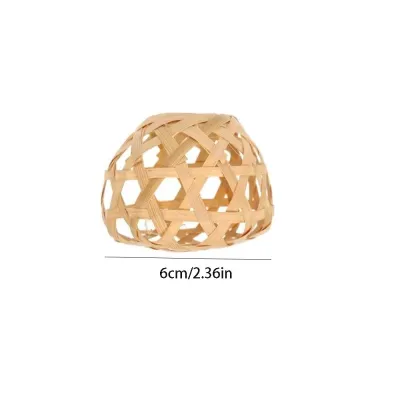
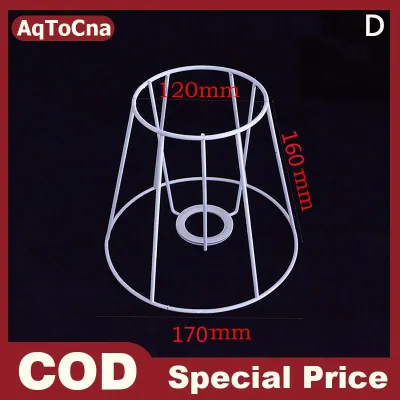
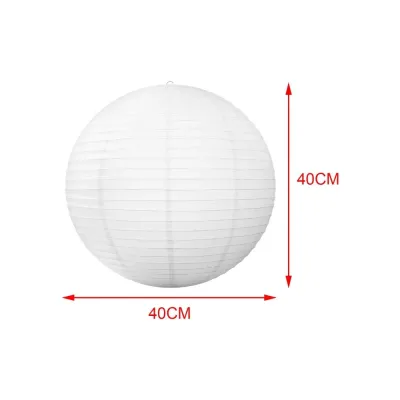
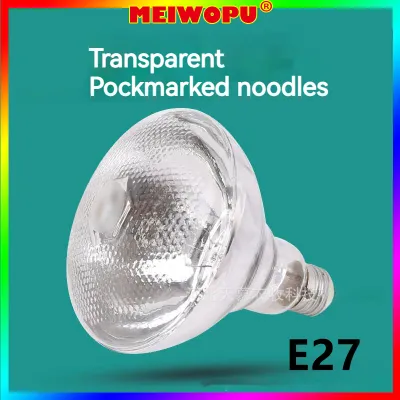
Prices are valid at publication and may change. Please refer to the product page for the latest price.
Consider room scale and spatial constraints when selecting a shape. In compact living spaces or cozy bedrooms in the Philippines, a shade that is too wide can easily be bumped or crowd a bedside table. Choosing a slimmer profile, like a rectangular or oval shade, can save valuable space while maintaining proper light distribution and keeping the fixture safe from accidental contact.
Step-by-Step Guide to Measuring Your Lamp Base
Before you begin measuring, place your lamp on a flat, stable surface. Having a notepad, a flexible measuring tape, and a ruler handy will make the process straightforward and accurate.

First, measure the height of the lamp base. Place the end of your measuring tape at the very bottom of the lamp’s decorative base. Extend the tape vertically to the point where the electrical socket begins—the metal or plastic cup that holds the light bulb. Do not include the socket itself, the harp, or the bulb in this base height measurement, as these components are treated separately when calculating shade proportions.
Second, measure the width or diameter of the base. If you have a round base, measure straight across the widest part of the bottom. For square, hexagonal, or irregular bases, measure the widest point from one side to the opposite side. This measurement determines the minimum bottom width your new shade must have to look balanced and prevent the lamp from appearing top-heavy.
Third, measure the socket and harp dimensions. If your lamp uses a harp—the detachable U-shaped metal wire that protects the bulb and supports the shade—measure its height from the bottom saddle where it slots into the lamp to the top threaded post. Note down this height, as it dictates the internal clearance your replacement shade will need to sit properly over the bulb.
Finally, record all your measurements clearly. While many online marketplaces and local retailers in the Philippines list dimensions in inches, it is highly recommended to record both inches and centimeters. This dual tracking helps you quickly verify compatibility across different brands and manufacturing standards, accounting for minor manufacturing tolerances of up to one centimeter.
Identify the Correct Lampshade Fitting Type
A replacement light bulb shade will only work if it attaches securely to your specific lamp fixture. There are three primary fitting types you must identify before making a purchase.
The first is the spider fitting, which is the most common type for table and floor lamps. A spider shade has a central ring with metal spokes resembling a spider web that sits on top of a metal harp. The shade is then secured in place by screwing a decorative finial onto the threaded post at the top of the harp. When measuring for a spider shade, check the “drop”—the vertical distance from the top rim of the shade down to the level of the central ring. A deeper drop hides the socket and harp hardware more effectively.
The second type is the uno fitting, which does not require a harp. Instead, uno shades feature a built-in ring that slips directly over the electrical socket. Threaded uno fittings screw directly onto a threaded socket, often found on downward-facing desk lamps or wall sconces. Slip-on uno fittings slide over the socket and are held in place by the light bulb itself or a separate plastic collar. When replacing an uno shade, measure the inner diameter of the socket ring carefully to ensure it matches your lamp’s socket size, as standard sizes can vary.
The third type is the clip-on fitting, designed for smaller accent lamps, wall sconces, or chandeliers. The metal frame of a clip-on shade features wire loops that expand and clip directly onto the glass envelope of the light bulb. Because they rely entirely on the bulb for support, they are highly dependent on the bulb’s physical shape and size.
Always inspect your existing hardware before buying a new shade. If your lamp’s harp is rusty, bent, or missing, you may need to purchase a replacement harp or an adapter to ensure your new shade sits level and secure.
Check Clearance, Heat, and Safety Limits
Safety is the most critical factor when installing any new light bulb shade. Before you begin removing your old shade or measuring the socket, always isolate the power by unplugging the lamp from the wall outlet. For fixed wall-mounted fixtures or hardwired lamps, turn off the corresponding circuit breaker at your main electrical panel.
Once the power is safely disconnected, check the maximum wattage limit printed on the lamp’s socket label. Never exceed this recommended wattage, as doing so can generate excessive heat that damages the socket, degrades the shade material, or poses a fire hazard. This is especially true when using traditional incandescent bulbs, which emit significantly more heat than modern LED alternatives.
Next, verify the physical clearance between the light bulb and the inner walls of the shade. As a general safety standard, maintain a minimum clearance of 5 to 8 centimeters (2 to 3 inches) between the bulb and the shade material. In the warm and highly humid tropical climate of the Philippines, ambient heat can accelerate the degradation of paper, fabric, or plastic shades. Ensuring adequate ventilation and airflow around the bulb is essential to dissipate heat effectively and prolong the lifespan of both the bulb and the shade.
If you notice any frayed wiring, loose sockets, or cracked plastic components while inspecting your lamp, do not attempt to install a new shade. In these situations, or if you are dealing with complex hardwired fixtures, always consult a qualified electrician to repair or replace the electrical components safely.
How to Read and Use Lampshade Dimensions When Shopping
When browsing online marketplaces or visiting local home decor stores, you will typically see lampshade dimensions listed as a series of three numbers: Top Diameter x Bottom Diameter x Slant Height (for example, 10″ x 16″ x 12″ or 25 cm x 40 cm x 30 cm). Understanding how to read these dimensions is key to finding a shade that fits your measurements.
The top diameter indicates the width of the top opening, while the bottom diameter represents the width of the lower opening. The third measurement is usually the slant height, which is measured along the outer slope of the shade from the top rim to the bottom rim. It is important to distinguish slant height from vertical height, which is the straight vertical distance from the top plane to the bottom plane. For drum shades, these two measurements are virtually identical, but for highly tapered empire or bell shades, the slant height will be significantly longer than the vertical height.
Additionally, factor in the thickness of the shade material and any internal metal framing. Thick fabrics, double-lined shades, or heavy glass covers can reduce the actual usable interior space and alter how the shade sits on your lamp base. Always compare these dimensions against your recorded base measurements and harp height to ensure a seamless fit.
Frequently Asked Questions (FAQ)
Can I use a clip-on shade on an LED bulb?
Yes, you can use a clip-on shade on an LED bulb, provided the bulb’s shape matches the clip-on frame. LED bulbs generate significantly less heat than traditional incandescent bulbs, making them a safer choice for fabric or paper clip-on shades. However, ensure the wire loops of the clip-on frame attach securely to the glass or plastic envelope of the bulb, rather than the heavy plastic or metal heat sink at the base of the LED. Standard A19 or candle-shaped LED bulbs are typically the most compatible options for these fittings.
What if my lamp does not have a harp for a spider shade?
If your lamp lacks a harp but you have purchased a spider-fitting shade, you have a few practical options. You can install a temporary harp by adding a saddle bracket under the socket, which requires temporarily removing the socket shell (ensure the power is completely isolated first). Alternatively, you can purchase a clip-on harp adapter. This handy accessory clips directly onto a standard light bulb and features a threaded top post, allowing you to mount a spider shade without installing a permanent metal harp.
How do I measure a square or rectangular lampshade?
Measuring a square or rectangular lampshade requires recording a few extra dimensions compared to a round shade. Instead of a single diameter, you must measure the length and width of both the top and bottom openings. A typical square shade measurement is formatted as (Top Length x Top Width) x (Bottom Length x Bottom Width) x Slant Height. When planning your space, also measure the diagonal distance across the bottom opening to ensure the corners of the shade do not hit nearby walls, shelves, or other decorative items.

Community discussion
Share your experience or ask a question. Comments are reviewed before publication.