
To order a custom name neon sign online in the Philippines, you need to select a reliable lighting specialist on an e-commerce platform or dedicated website, submit your design specifications, approve a digital mockup, and choose a secure payment method. This modern approach to lighting allows you to personalize a name with light, transforming a bedroom, living room, wedding venue, or business storefront into a vibrant, visually striking space. By utilizing modern LED neon flex technology, these custom signs offer the classic glow of traditional glass neon without the high heat, fragility, or energy consumption.
Understanding the step-by-step process ensures you receive a high-quality, durable sign that matches your aesthetic vision and fits perfectly in your physical space. From measuring your wall to inspecting the final delivery, every decision impacts the safety, longevity, and visual appeal of your custom installation.
Preparing Your Design and Space Requirements
Before you begin browsing online catalogs or messaging local sellers, you must carefully evaluate the physical environment where the sign will hang. Measuring the intended wall or display area is the critical first step to determine the maximum width and height your sign can occupy. A custom sign that is too large can overwhelm a room, while one that is too small will look lost and insignificant on a spacious wall. Use a physical measuring tape to map out the exact dimensions, and consider marking the boundary with painter’s tape to visualize the scale in real-time.
Products mentioned in this guide
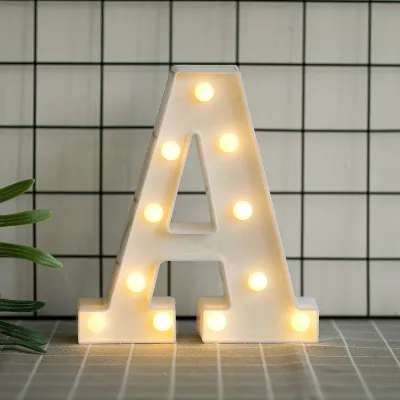
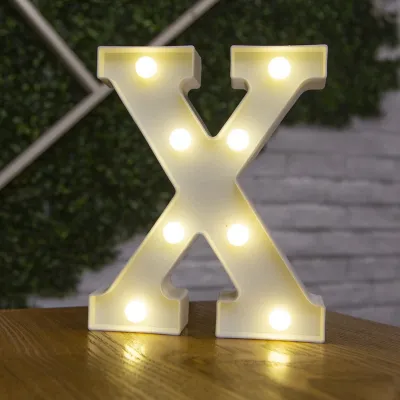
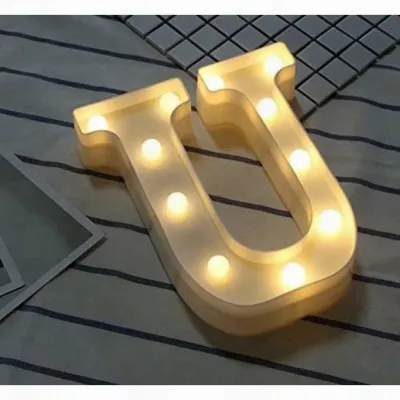
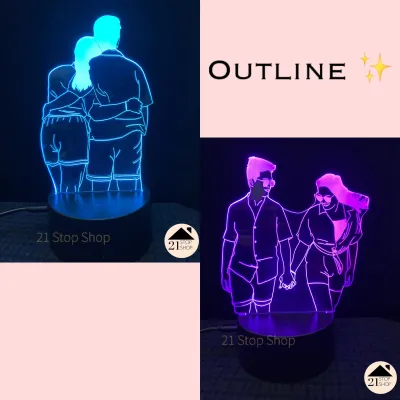
Prices are valid at publication and may change. Please refer to the product page for the latest price.
Viewing distance plays a major role in deciding the appropriate font size and thickness for your neon sign. If the sign is meant to be read from across a large commercial space or a busy café, the lettering must be thick and tall enough to remain legible from afar. Conversely, a sign destined for a cozy bedroom or a home office desk can feature smaller, more delicate fonts since observers will stand much closer to the light source.
Drafting a few text variations beforehand saves time and prevents layout issues later on. Write down your name, initials, or chosen phrase in different formats, paying close attention to character count, capitalization, and line breaks. A single long line of text might require a very wide backing board, whereas stacking two or three words vertically can create a more balanced, compact design.
Do not overlook the logistics of powering your new light fixture. Locate the nearest electrical outlet and measure the distance from the wall mount location to the socket. This ensures the power cord can reach the outlet comfortably without being stretched tight or draped across a walkway, which creates a serious tripping hazard. If the cord is too short, you will need to request a longer cable from the seller or plan for safe, discreet cable management solutions.
Step-by-Step Guide to Ordering Your Personalized Light
Navigating the online marketplace for custom lighting can feel overwhelming due to the sheer volume of shops offering similar services. Following a structured ordering process helps you filter out low-quality manufacturers, customize the technical details correctly, and secure a smooth transaction from start to finish.

Choosing a Reliable Online Seller
Finding a trustworthy custom neon maker in the Philippines requires diligent research across popular e-commerce platforms and specialized home decor websites. Start by thoroughly examining seller ratings, overall transaction history, and customer reviews. Pay close attention to reviews that include actual photo uploads or video clips from previous buyers, as these provide an unfiltered look at the actual build quality, brightness, and color accuracy of the finished signs.
Verify the store’s customer service responsiveness by sending a preliminary inquiry about their materials or custom design process. A reliable seller should respond promptly, answer your technical questions clearly, and demonstrate a willingness to accommodate custom requests. Additionally, check their stated return policies, damage-in-transit guarantees, and warranty periods, as custom-made items are generally non-refundable unless they arrive defective or damaged.
Examine the seller’s portfolio or social media gallery to assess the quality of their craftsmanship. Look closely at the neatness of the silicone glue application, the precision of the acrylic backing cuts, and how securely the LED neon flex is attached to the board. High-quality signs will have clean, seamless joins and no visible loose wiring on the front face of the backing board.
Selecting Customization Options
When you use a seller’s online design tool or communicate directly with their design team, you will need to specify several key aesthetic and functional elements. First, choose a font style that complements your space and matches your personal style. Cursive and script fonts offer an elegant, flowing look that is highly popular for weddings and bedrooms, but they can be harder to read if the letters are too compressed. Block and minimalist fonts provide excellent legibility and a modern, clean aesthetic that works exceptionally well for business logos and short names.
Next, select the LED neon flex colors that will define the mood of your space. Most sellers offer a wide spectrum of solid colors, including warm white, cool white, pink, blue, red, green, and purple. If you want maximum versatility, ask the seller about multi-color RGB options or dynamic color-changing controllers that allow you to cycle through different hues or adjust the color temperature to suit different times of day.
The backing board holds the entire sign together and significantly influences its final appearance. You must choose between a “cut-to-letter” (contoured) backing, which follows the outline of your letters for a minimalist look, or a solid rectangular or circular backing board. Standard backing boards are made of clear acrylic, but some sellers offer black, mirrored, or colored acrylic options to match specific wall colors. Ensure the backing board has a thickness of at least 5mm to prevent warping or cracking under the weight of the LED tubing.
Finally, consider adding functional upgrades to enhance your user experience. A dimmer switch is highly recommended, as full-strength LED neon can be incredibly bright in a dark room. Adding a remote control, a physical inline dimmer, or a smart plug allows you to adjust the brightness levels, turn the sign on and off from a distance, or integrate the lighting into your existing smart home system.
Finalizing the Order and Payment
Once you have submitted your design preferences, a professional seller will generate a digital mockup or technical proof for your approval. Take your time to review this layout carefully, checking for spelling accuracy, font style, line spacing, and the placement of pre-drilled mounting holes. This mockup is your final opportunity to make adjustments before the physical production process begins; once the acrylic is cut and the LED flex is glued, changes are no longer possible.
Confirm your shipping details and review the estimated dispatch and delivery times. Because custom neon signs are manufactured to order, they require a production lead time that typically ranges from a few days to two weeks before they are handed over to the courier. If you need the sign for a specific event like a birthday or wedding, communicate this timeline clearly to the seller to see if rush production is available.
Always select secure, platform-backed payment methods to protect your purchase. Using the built-in payment gateways of major e-commerce platforms ensures that your money is held in escrow and only released to the seller once you receive the item and confirm it is in good condition. Avoid direct bank transfers or off-platform payments to sellers you have not fully verified, as these offer little to no buyer protection in the event of a dispute.
In the Philippines, many buyers prefer using digital wallets like GCash or Maya, or credit card options integrated directly into the online shopping platform. These payment methods provide digital receipts and transaction records that are invaluable if you need to resolve any disputes regarding delivery delays or damaged goods.
Delivery, Installation, and Safety Considerations
Receiving your custom name neon sign is an exciting moment, but the process is not complete until the light is safely mounted and powered up. Because these items contain sensitive electrical components and acrylic structures, proper handling and installation are paramount to prevent damage and ensure long-term safety.
When the courier delivers your package, inspect the outer shipping box immediately for any signs of rough handling, punctures, or crushed corners. Open the box carefully and check the acrylic backing for cracks, the LED tubing for loose connections, and the power adapter for physical damage. If you notice any issues, take clear photos and videos of the packaging and the damage immediately, and contact the seller right away to initiate a transit claim.
Installing your neon sign requires selecting the appropriate mounting hardware based on your wall type and the weight of the sign. Most custom signs come with pre-drilled holes in the acrylic backing and include a mounting kit containing screws, wall anchors, or hanging chains. For drywall, concrete, or brick walls, using the provided screws and wall anchors is the most secure method to support the suspended load. If you are renting a space and cannot drill into the walls, high-quality, heavy-duty adhesive strips can be used, but you must first verify that the adhesive is compatible with your wall texture and can safely support the weight of the sign.
Electrical safety must be your top priority during setup. Before plugging the sign into an outlet, verify that the power adapter’s input voltage matches your household voltage (typically 220V in the Philippines) and that the output voltage matches the sign’s requirements (usually 12V). Avoid overloading your wall sockets or extension cords by plugging in too many high-wattage appliances alongside your neon sign. Ensure the power transformer is placed in a well-ventilated area where heat can dissipate naturally, and never cover it with fabrics, papers, or decorative elements.
Standard indoor LED neon signs are not designed to withstand moisture, high humidity, or direct water exposure. Keep your sign away from open windows, bathrooms, or areas prone to condensation to prevent short circuits or corrosion of the internal wiring. If you plan to install a sign in a damp area, you must consult the manufacturer beforehand to ensure the sign has the appropriate ingress protection (IP) rating and waterproof sealing.
For complex installations—such as signs mounted at significant heights, large commercial displays, or signs requiring fixed wiring into your electrical system—always prioritize safety. Turn off the main power supply before handling any electrical wiring, and hire a qualified professional electrician to complete the installation. Following these precautions protects your property, ensures compliance with local electrical codes, and guarantees your sign operates safely for years to come.
Common Mistakes to Avoid When Ordering Custom Neon
To ensure your custom lighting project is a complete success, keep these common pitfalls in mind as you plan and execute your purchase. Avoiding these mistakes will save you time, money, and the disappointment of a poorly executed design.
- Underestimating the Sign Size: Ordering a sign that is too small is one of the most frequent errors buyers make. A tiny name sign on a large wall can look awkward and unpolished. Always measure your wall space and compare it to the seller's dimensions before placing your order.
- Rushing the Mockup Approval: Skipping a thorough check of the digital proof can lead to spelling mistakes, incorrect spacing, or an unexpected font layout. Double-check every letter and design element before giving the seller the green light to start production.
- Ignoring Cord and Transformer Placement: Forgetting to plan where the power cord will run and where the bulky transformer box will sit can ruin the clean look of your installation. Plan your layout so the cord can be neatly routed and the transformer can be hidden or discreetly placed near an outlet.
- Using Weak or Incompatible Adhesives: Attempting to hang a heavy acrylic sign with standard double-sided tape or cheap adhesive hooks often results in the sign falling and shattering. Always use the recommended mounting hardware or heavy-duty, wall-safe adhesive strips rated for the sign's specific weight.
- Neglecting Local Weather Factors: In the Philippines, high humidity and salt air in coastal areas can accelerate the wear of non-protected electrical connections. If you live in a highly humid or coastal environment, inform your seller so they can recommend the best protective measures or materials for your sign.
Frequently Asked Questions (FAQ)
Are LED neon signs safe to leave on overnight?
Yes, modern LED neon signs are highly safe to leave on for extended periods, including overnight. Unlike traditional glass neon signs that run on high-voltage transformers and can become very hot, LED neon flex operates on low voltage (typically 12V) and generates minimal heat. This makes them cool to the touch and safe for bedrooms or children’s rooms. However, to conserve energy, prolong the lifespan of the LEDs, and prevent unnecessary wear on the power adapter, it is highly recommended to use a timer, a dimmer with a sleep function, or a smart plug to schedule automatic shut-off times.
Can I use a custom neon sign outdoors in the Philippines?
Standard indoor LED neon signs are not waterproof and cannot withstand the heavy rain, intense sunlight, and high humidity levels typical of the tropical Philippine climate. If you want to install a custom sign outdoors—such as on a storefront, an open patio, or an outdoor event venue—you must explicitly request a waterproof, IP-rated (such as IP65 or IP67) sign from the seller. Outdoor signs require specialized silicone sealing, waterproof connectors, and outdoor-rated power adapters. Even with a waterproof sign, installing it under a canopy, awning, or sheltered area is highly recommended to provide extra protection from direct weather exposure and prolong its overall lifespan.

Community discussion
Share your experience or ask a question. Comments are reviewed before publication.