
To achieve a cohesive look when pairing outdoor LED wall lights for a corridor or entryway, you must balance architectural style, physical spacing, and light output. Successful pairing involves selecting fixtures with matching finishes and complementary shapes, then arranging them at uniform heights and intervals. This creates a balanced visual rhythm that guides visitors safely while highlighting your home’s exterior design.
In tropical environments like the Philippines, where high humidity, heavy rainfall, and salty air can accelerate wear, choosing the right materials and placement is crucial for longevity. By planning your layout around your home’s existing architectural lines and electrical setup, you can create an inviting, well-lit exterior that enhances both safety and curb appeal.
Assessing Your Space and Lighting Needs
Before purchasing any fixtures, take precise measurements of your corridor or entryway walls. Note the height of the ceiling or roofline, the width of the doors, and any architectural features like pillars, windows, or decorative moldings. These physical dimensions dictate how many fixtures you need and what size will look proportional to the surrounding structure.
Products mentioned in this guide
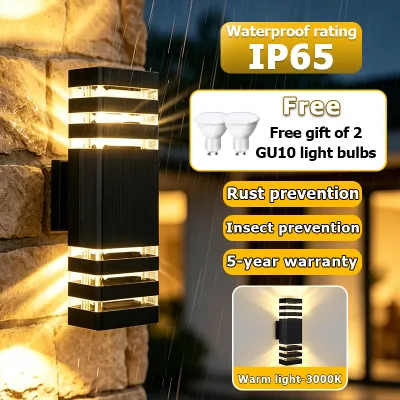
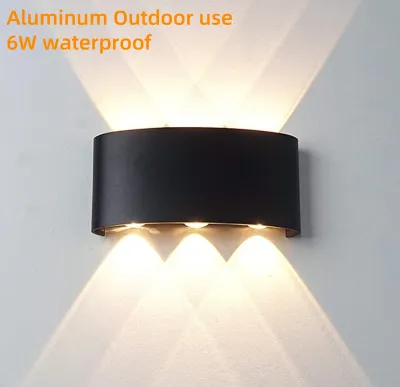
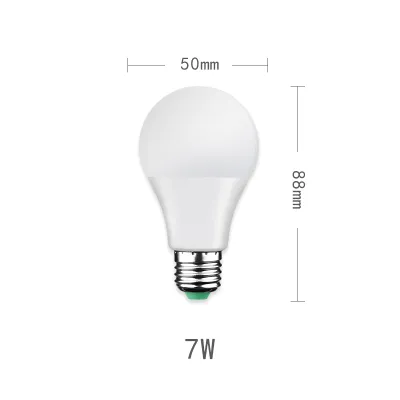
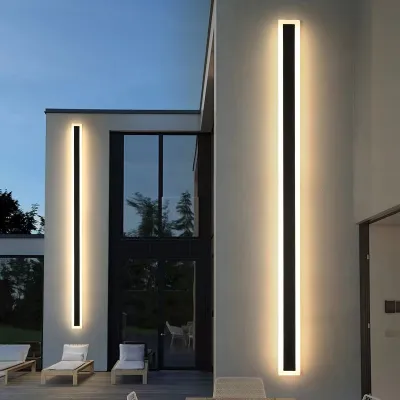
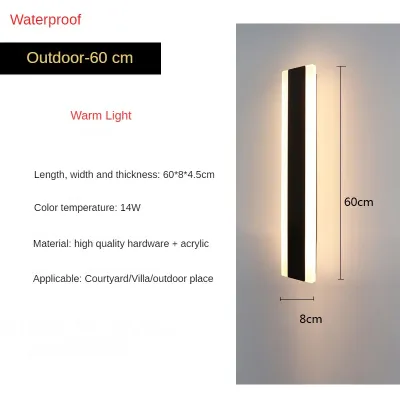
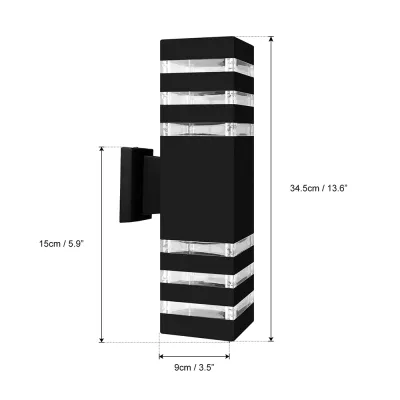
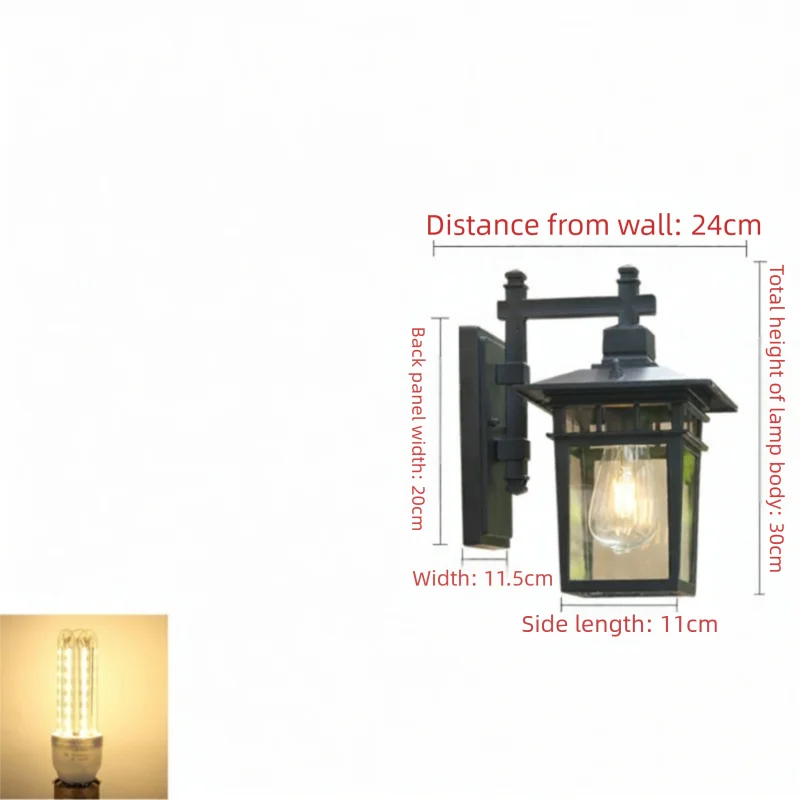
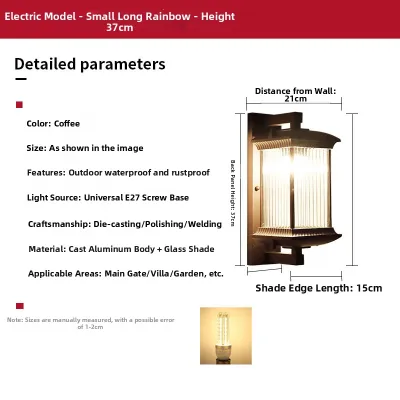
Prices are valid at publication and may change. Please refer to the product page for the latest price.
Define the primary function of your lighting setup. An entryway often requires focused illumination around the door lock and handle for security and convenience. A long corridor, on the other hand, benefits from soft, ambient light that guides foot traffic without causing glare. If you have textured walls, such as stone or stucco, you might want fixtures that cast light upward and downward to highlight the texture.
Examine your existing electrical setup to locate current junction boxes. If you are planning a symmetrical layout—such as flanking a front door—or a rhythmic sequence along a corridor, the positions of these boxes will determine your installation path. Moving or adding junction boxes requires planning, so identifying their locations early helps you decide whether to work with the current layout or prepare for electrical modifications.
Choosing Matching Styles and Finishes
Your outdoor LED wall lights should feel like an extension of your home’s architectural style. For modern or minimalist homes, clean geometric shapes like cylinders or cubes in matte black or dark grey finishes work well. Traditional homes often suit classic lantern shapes with glass panels and detailed metalwork in bronze or brass finishes.

Coordinate the metal finishes or painted colors of your new fixtures with your existing exterior hardware. Look at your front door handle, lockset, hinges, mailbox, and house numbers. Matching these metallic accents—or choosing complementary tones—prevents visual clutter and makes the entire entryway look intentionally designed.
Consistency in color temperature is vital for a unified look. Mixing warm white lights with cool daylight along the same corridor creates an unsettling, disjointed atmosphere. For residential entryways and corridors, a warm color temperature (typically around 2700K to 3000K) is generally preferred to create a welcoming, cozy ambiance, though this remains a matter of personal preference. Ensure all paired fixtures use the same color temperature specification before installation.
Calculating Spacing and Placement for Balance
Achieving visual balance requires precise placement. For entryways, flanking a door with two fixtures is a classic approach. These should ideally be mounted at eye level, which typically translates to about 1.5 to 1.7 meters from the floor, or aligned with the upper third of the door frame. This height ensures the light source effectively illuminates faces and door hardware without being blinding.
For long corridors, spacing should follow a rhythmic pattern. Measure the total length of the wall and divide it into equal intervals to determine where each fixture should go. A common rule of thumb is to space fixtures roughly 1.8 to 2.4 meters apart, depending on the length of the corridor and the light output of each unit. Keeping the mounting height identical across all fixtures along the wall is essential to maintain a clean, horizontal visual line.
Be mindful of light trespass and glare. Position fixtures so their light beams focus downward or wash along the wall rather than shining directly outward into walkways or neighboring properties. This is especially important in dense residential areas where bright, unshielded bulbs can disturb neighbors or temporarily blind pedestrians walking down your corridor.
Electrical Compatibility and Safety Checks
Outdoor lighting must withstand environmental exposure, particularly in tropical climates prone to heavy rain and high humidity. Check the Ingress Protection (IP) rating on the product label. For covered corridors or entryways, a minimum rating of IP44 is generally suitable to protect against splashing water. For fully exposed walls, look for IP65 or higher to ensure protection against dust and heavy rain.
Verify that the electrical specifications of the LED wall lights match your home’s electrical system. In the Philippines, the standard residential voltage is 220V at 60Hz. Ensure the fixtures are rated for this voltage and check that your existing circuit has sufficient capacity to handle the total wattage of all planned lights, even though LEDs consume relatively little power.
Because installing outdoor fixtures involves working with fixed wiring and damp environments, safety is paramount. Always isolate the power at the main circuit breaker before attempting any electrical work. If your project requires running new wiring, installing weatherproof junction boxes, or mounting fixtures at a height, consult a licensed electrician to ensure compliance with local electrical codes and safe installation.
Common Pairing Mistakes to Avoid
One common mistake is mixing clashing design styles or finishes within the same visual field. While you can use different sizes of the same fixture family, installing a modern industrial sconce next to a rustic carriage lantern along the same corridor creates visual confusion. Stick to a single design language and finish color to keep the look cohesive.
Over-illumination is another frequent error. Selecting fixtures with excessively high lumen outputs or wide, unshielded beam angles can turn a cozy corridor into a harsh, institutional space. Review the lumen specifications and choose lower-wattage LEDs or fixtures with frosted diffusers to soften the light. Up-and-down lights are excellent for adding drama without overwhelming the space with direct glare.
Finally, consider physical clearance. In narrow corridors or entryways, bulky fixtures that protrude too far from the wall can become physical hazards. Pedestrians might bump into them, or swinging doors might strike them. Measure the depth of the fixtures and ensure they leave ample clearance for comfortable movement and full door operation.
Frequently Asked Questions (FAQ)
Can I mix different sizes of outdoor LED wall lights on the same wall?
Yes, you can mix different sizes of fixtures on the same wall, provided they belong to the same design family and share the identical style, material, and finish. For example, you might install a larger, more prominent version of a sconce to flank your main entryway door, and then use smaller, lower-profile versions of the exact same design along an adjacent corridor. This maintains visual cohesion while respecting the scale of different architectural areas.
Do outdoor wall lights need to match my interior lighting fixtures?
Outdoor wall lights do not need to match your interior fixtures, as their primary job is to complement your home’s exterior architecture. However, if your entryway features large glass panels or a glass door where both interior and exterior lights are visible at the same time, coordinating their styles or finishes can create a seamless transition. In most cases, prioritizing exterior harmony is the best approach.
How do I clean and maintain paired outdoor LED fixtures?
To keep your paired fixtures looking uniform, perform routine visual inspections for moisture ingress, insect buildup, or lens discoloration. Always refer to the manufacturer’s instructions for approved cleaning methods and materials. Generally, wiping the fixtures down with a soft, damp cloth and mild soap while the power is isolated is sufficient. Avoid harsh chemical cleaners that could strip the protective finish or damage the LED seals.

Community discussion
Share your experience or ask a question. Comments are reviewed before publication.