
Achieving a balanced bedroom look with a wall lamp for bedroom setups involves coordinating physical dimensions, lighting functions, and visual styles. Whether you choose identical fixtures for classic symmetry or mix complementary designs for a curated feel, the key is maintaining a consistent visual weight and proper placement relative to your bed and bedside tables. In tropical climates like the Philippines, where high humidity and warm temperatures influence material choices, selecting the right finishes and installation methods ensures both longevity and aesthetic appeal.
Assessing Your Bedside Space and Lighting Needs
Before purchasing any wall lamp for bedroom use, assess the physical layout of your sleeping area. Measure the width and height of your headboard, the height of your bedside tables, and the distance from the mattress to the ceiling. These measurements establish the maximum physical envelope for your fixtures, preventing you from choosing sconces that overwhelm a compact room or look lost on a grand accent wall.
Next, define how you intend to use the light. If you enjoy reading in bed, you will require a fixture that directs a focused beam downward or features an adjustable swing arm. For general relaxation, a fixture with a fabric shade or frosted glass diffuser that casts a soft, ambient glow is more appropriate.
Products mentioned in this guide
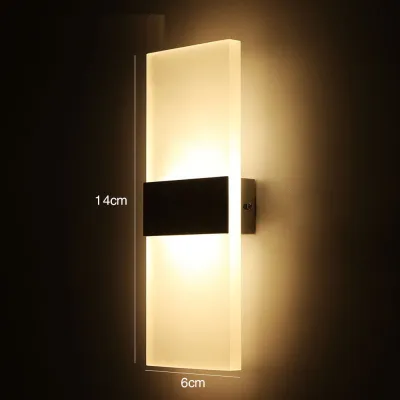
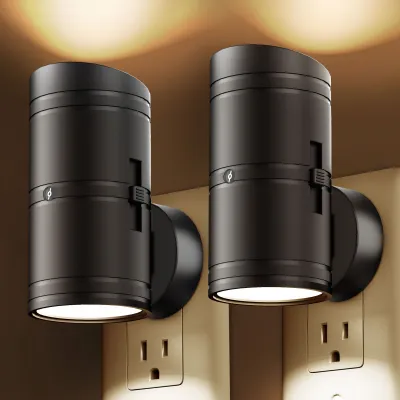
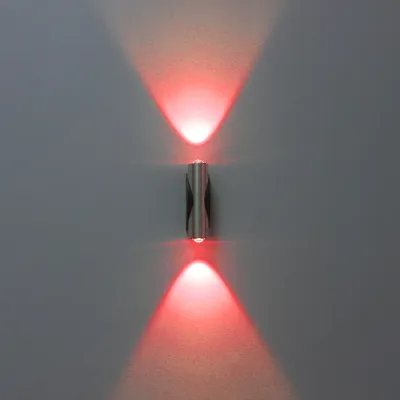
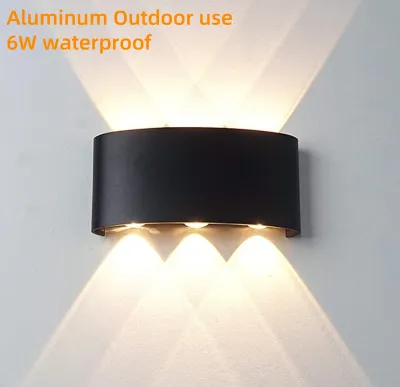
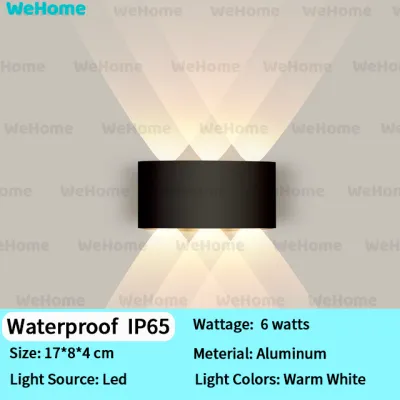
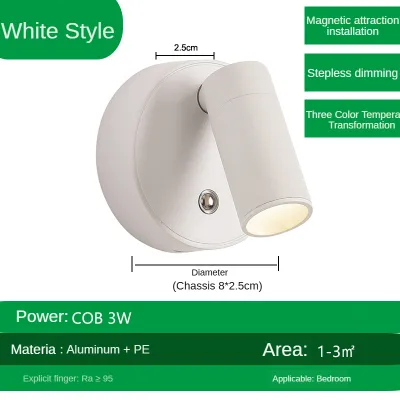
Prices are valid at publication and may change. Please refer to the product page for the latest price.
Finally, inspect your walls for power sources. Determine if you have pre-installed electrical junction boxes behind the plaster or drywall. If your room lacks built-in wiring and you prefer to avoid opening up the walls, look for plug-in models with decorative cords, which can be mounted easily and plugged into nearby outlets.
Choosing Your Pairing Strategy: Symmetrical vs. Complementary
Achieving balance does not mean you are restricted to a single design path. You can establish visual harmony through two distinct design strategies: strict symmetry or complementary coordination. Your choice should align with the overall style of your bedroom, your personal aesthetic preferences, and the existing furniture layout.

The Symmetrical Approach (Matching Sconces)
The symmetrical approach relies on installing two identical wall lamps on either side of the bed. This classic configuration creates an instant sense of order, structure, and calm, making it highly suitable for formal, minimalist, or traditional bedroom designs. By using matching fixtures, you establish a clear visual anchor that frames the bed as the central focus of the room.
To execute this strategy successfully, select fixtures with identical finishes, shapes, and light outputs. For instance, a pair of matching matte black or brushed brass sconces provides a clean, unified look.
Precision is critical during installation. You must ensure exact vertical alignment and equal horizontal spacing from the outer edges of the headboard or the center line of the bed. Any slight deviation in height or distance will be immediately noticeable and can disrupt the intended sense of balance.
The Complementary Approach (Mixed but Cohesive)
If you prefer a more relaxed, curated, or eclectic aesthetic, the complementary approach allows you to pair two different wall lamps while maintaining visual harmony. This strategy works beautifully in bohemian, industrial, or transitional bedrooms where a rigid, matching setup might feel too sterile. The goal is to make the pairing look intentional rather than accidental.
To tie different fixtures together, rely on unifying design elements. You might choose two sconces with completely different shapes or arm styles, but ensure they share the exact same metal finish, such as antique brass or polished nickel. Alternatively, you can use fixtures made of different materials but fitted with identical glass shades or matching bulb types to create a subtle thread of continuity.
Balancing visual weight is essential when mixing styles. If one wall lamp is physically larger or visually heavier than the other, you can offset this difference using surrounding decor. For example, place a smaller, delicate sconce on one side of the bed, and balance the opposite side by placing a stack of books, a potted plant, or a larger decorative object on that bedside table. This creates an asymmetrical yet perfectly balanced composition.
Key Dimensions and Placement Guidelines
Proper placement of your wall lamp for bedroom spaces ensures both physical comfort and optimal light distribution. While exact heights can vary based on your bed frame and mattress thickness, a reliable starting point is to position the bottom of the lamp shade or the light source approximately level with your chin when you are sitting upright in bed. This typically places the mounting height within a comfortable range above the mattress top, allowing the light to illuminate your reading material without shining directly into your eyes.
When calculating horizontal spacing, measure outward from the edge of the headboard or the side of the mattress. The fixtures should be positioned close enough to be easily reached from a resting position, yet far enough to avoid crowding the bed. A common guideline is to align the lamps with the outer edges of your bedside tables or slightly inward, ensuring they do not interfere with your movement when getting in and out of bed.
Clearance is another vital factor to consider. If you select swing-arm sconces or fixtures that project significantly from the wall, verify that they do not extend into your natural sitting or reclining space. You should be able to sit up, lean back against the headboard, and turn over comfortably without any risk of bumping your head against the metal arms or glass shades.
Electrical and Installation Safety Checks
Before mounting any electrical fixture, safety must be your primary consideration. Always verify the voltage compatibility of your selected wall lamp to ensure it matches your home’s electrical system (which is typically 220V in the Philippines). Check the manufacturer’s product label on the fixture for the maximum wattage limit and the approved bulb base type, such as E27 or E14, to prevent overheating or electrical faults.
Assess the structural integrity of your wall before installation. Heavier sconces made of solid brass, stone, or thick glass require robust support. If you are mounting fixtures onto drywall or plasterboard, use high-quality wall anchors rated for the specific weight of the lamp. For concrete or masonry walls, which are common in many tropical homes, ensure you use appropriate masonry drill bits and wall plugs to secure the mounting bracket firmly.
For any hardwired installation that involves connecting wires directly to your home’s electrical grid, always turn off the main power supply at the circuit breaker panel before starting work. If you need to run new electrical lines behind the wall, install new junction boxes, or if you feel unsure about handling electrical wiring, always hire a licensed professional electrician. This ensures compliance with local electrical codes and guarantees a safe, reliable installation.
Common Pairing Mistakes to Avoid
One of the most common mistakes in bedside lighting is choosing fixtures with completely exposed bulbs or clear glass shades. While these designs can look highly attractive in showrooms, they often produce harsh, direct glare when you are lying down, leading to eye strain and disrupting the relaxing atmosphere of the bedroom. Opt instead for frosted glass, fabric, or opaque metal shades that diffuse or direct the light away from your direct line of sight.
Another frequent error is ignoring switch accessibility. A wall lamp is highly inconvenient if you have to stand up or stretch awkwardly to turn it off before sleeping. Ensure the fixture’s built-in switch, cord switch, or wall switch is easily reachable from a relaxed, lying position.
Finally, avoid mismatching the light color temperatures or beam angles between the two sides of the bed. Even if you choose a complementary, asymmetrical design, using a warm white bulb (such as 2700K to 3000K) on one side and a cool daylight bulb on the other will create a jarring visual imbalance. Keep the bulb specifications, color temperatures, and beam spreads identical on both sides to maintain a cohesive and soothing environment.
Frequently Asked Questions (FAQ)
Can I use plug-in wall lamps if I don't have hardwired electrical boxes?
Yes, plug-in wall lamps are an excellent, non-invasive alternative for bedrooms without pre-existing electrical junction boxes, making them ideal for renters or quick room makeovers. When installing plug-in models, plan your cord management carefully by using decorative cord covers, adhesive clips, or letting the fabric-wrapped cord hang straight down as a deliberate design element. Ensure the cord easily reaches a nearby electrical outlet without being stretched tight. Always use sturdy wall anchors suitable for your wall type to support the weight of the fixture, even if it is a lightweight plug-in model.
Should bedside wall lamps have built-in switches or be controlled by a wall switch?
The choice between built-in switches and wall switches depends on your preferred level of convenience and your bedroom’s wiring setup. Built-in switches—such as toggle switches, rotary dials, or pull chains on the fixture itself—provide direct, independent control right from your bed, which is highly practical for individual reading. Alternatively, controlling the lamps via a centralized wall switch or a smart home system allows you to turn both lights on or off simultaneously upon entering or leaving the room. For the ultimate flexibility, you can install smart bulbs in your sconces, allowing you to control dimming and power through a wireless remote, smartphone app, or voice commands without modifying your physical wiring.

Community discussion
Share your experience or ask a question. Comments are reviewed before publication.