
Pairing a bedside wall lamp with your headboard and nightstand is the key to creating a balanced, functional, and visually cohesive sleep space. It involves matching physical scales, coordinating materials, and positioning the light source to suit your daily habits. In tropical climates like the Philippines, where bedrooms often showcase a mix of natural textures like rattan, solid wood, and light fabrics alongside modern finishes, selecting the right lighting fixture requires a thoughtful approach.
Rather than viewing your bed, nightstand, and lighting as separate entities, successful bedroom design treats them as a unified ensemble. The headboard serves as the primary vertical backdrop, the nightstand anchors the horizontal plane, and the wall-mounted lamp acts as the functional, eye-level bridge between them. By understanding how these elements interact, you can select a fixture that enhances both the style and utility of your room.
Assessing Your Headboard and Nightstand Proportions
Achieving visual harmony in the bedroom begins with understanding scale. Before browsing different styles of a bedside wall lamp, you must evaluate the physical dimensions and visual weight of your existing furniture. A lighting fixture that is too large can overwhelm a delicate bedside setup, while a lamp that is too small will look lost and fail to provide adequate illumination.
Products mentioned in this guide
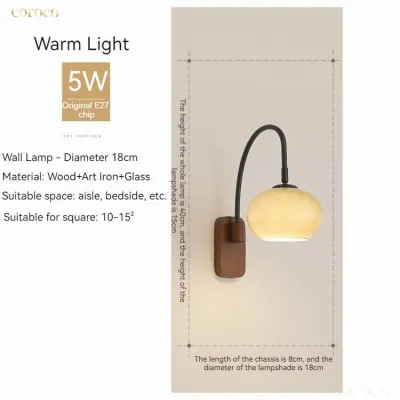
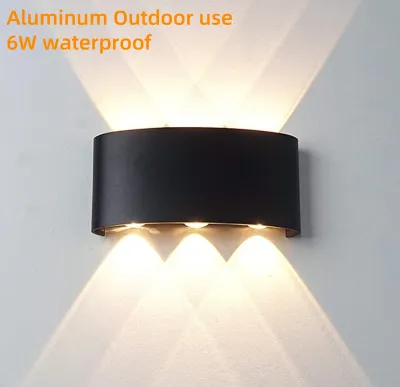
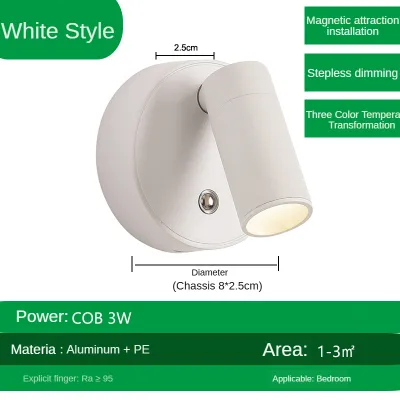
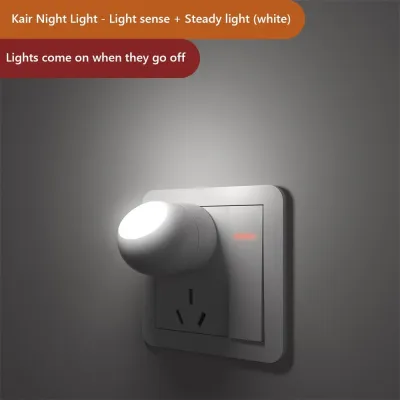
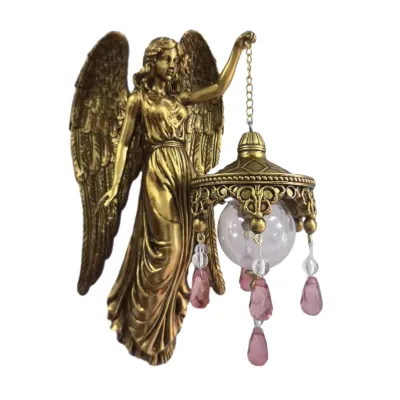
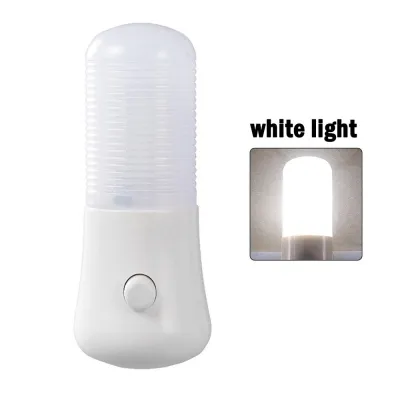
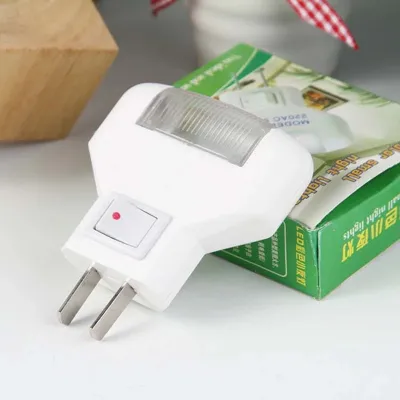
Prices are valid at publication and may change. Please refer to the product page for the latest price.
Start by measuring your headboard’s height, width, and overall visual presence. A tall, heavily padded, or wide headboard has significant visual weight, meaning it can easily accommodate larger, more prominent wall sconces without looking crowded. Conversely, a low-profile, minimalist, or open-spindle headboard has a lighter visual footprint and pairs best with slender, compact, or understated lighting designs.
Next, examine your nightstand’s surface area and height. If your nightstand is compact or narrow, mounting a wall lamp is an excellent way to free up valuable tabletop space for daily essentials. However, the width of the lamp should remain proportional to the table below it. A massive, heavy-duty industrial swing-arm lamp hanging over a tiny, round side table will look top-heavy and unbalanced.
Understanding these physical boundaries prevents costly design mistakes. Take precise measurements of the wall space available on either side of your headboard. This ensures that whichever fixture you choose will fit comfortably within the designated zone without overlapping the edge of the headboard or extending past the outer boundary of your nightstand.
Pairing Sconce Designs With Headboard Styles
Different headboard materials and silhouettes call for distinct lighting designs to create a balanced look. The goal is to choose a wall lamp that either complements the existing textures of your bed or provides a pleasing, intentional contrast.

Upholstered and Tall Headboards
Plush, tufted, or tall fabric headboards naturally serve as the focal point of the bedroom. Because these headboards already possess significant texture and visual volume, the accompanying wall sconces should frame the bed rather than compete with it for attention.
- Streamlined Profiles: Opt for minimalist, modern, or contemporary wall lamps with clean lines and simple geometries. Slender metal stems and simple drum or globe shades work beautifully here.
- Subtle Framing: Position the fixtures so they sit comfortably on either side of the headboard, leaving a clear visual gap of at least 5 to 10 centimeters between the edge of the fabric and the lamp. This prevents the bed area from looking cramped.
- Soft Textures: Consider fabric-shaded sconces that mimic the softness of the headboard, or choose matte metal finishes that offer a quiet, elegant contrast to velvet or linen upholstery.
Wooden, Metal, and Minimalist Headboards
Hard-surface headboards made of timber, iron, or woven rattan offer a different design opportunity. These materials often feature strong horizontal or vertical lines that can be softened or enhanced by your choice of bedside lighting.
- Material Contrast: Introduce warmth and depth to raw wood or dark metal headboards by selecting wall lamps with contrasting finishes, such as brushed brass, copper, or matte black.
- Tactile Warmth: For solid wood headboards like mahogany or acacia, a wall lamp with a fabric or paper shade can introduce a secondary texture that softens the overall look and diffuses the light gently.
- Industrial and Mid-Century Accents: Spindle or metal-frame headboards pair exceptionally well with industrial-jointed swing arms, exposed-filament bulbs (fitted with warm, glare-reducing glass), or iconic mid-century cone shades. These shapes echo the structural lines of the bed while adding functional adjustability.
Coordinating Lamp Finishes With Nightstand Hardware
Coordinating the metal finishes and materials of your bedside wall lamp with your nightstand hardware is an effective way to tie the room’s design together. You can choose to match these finishes exactly or mix them intentionally to create a more layered, curated aesthetic.
Matching the metal finish of your wall lamp to the drawer pulls, metal legs, or decorative accents of your nightstand creates a classic, cohesive look. For instance, if your nightstand features brushed brass handles, choosing a bedside wall lamp with the same brushed brass finish establishes an instant visual connection. This approach is highly effective in traditional, transitional, or highly formal bedroom designs.
Alternatively, mixing metals can add modern depth and personality to your space. If you choose to mix finishes, a reliable design rule is to keep one metal dominant and use the second as an accent. For example, if your bedroom hardware is predominantly matte black, you can introduce a polished brass or chrome wall lamp to serve as an eye-catching accent. Ensure the undertones of the metals complement each other; warm metals like brass and copper pair well with neutral matte black, while cool chrome or nickel pairs nicely with dark charcoal or cool-toned wood.
Beyond metal finishes, consider how the lamp shade material interacts with the nightstand surface. A glass shade pairs beautifully with marble-top or glass-top nightstands, reflecting light elegantly across the surfaces. A classic fabric shade coordinates naturally with warm wood or woven rattan tables, reinforcing a cozy, organic feel. In humid environments, prioritize high-quality finishes such as powder-coated metals or treated brass to prevent rust and corrosion over time.
Sizing and Placement for Visual Balance and Function
Proper installation height and correct sizing are critical to ensuring your bedside wall lamp is both beautiful and comfortable to use. Incorrect placement can lead to harsh glare, difficult-to-reach switches, or accidental bumps when getting in and out of bed.
Proportions and Width To maintain visual balance, the maximum width of your wall lamp should generally not exceed two-thirds of the total width of your nightstand. If your bedside table is 45 centimeters wide, your lighting fixture’s widest point should ideally be 30 centimeters or less. This proportion ensures the lamp feels anchored by the furniture below it.
Height and Reach Rather than relying on rigid, universal measurements, determine the mounting height based on your specific mattress thickness, bed frame height, and seated reading posture. Sit in your bed in your normal reading position. The bottom of the lampshade or the light source should align roughly with your eye level—typically between 55 and 75 centimeters above the top of your mattress. This positioning allows the light to cast downward onto your book or device without shining directly into your eyes. Furthermore, ensure the lamp’s physical switch is easily reachable from a lying position so you do not have to strain or stand up to turn it off.
Clearance and Projection Leave adequate vertical clearance between the bottom of the wall lamp and the surface of your nightstand. A gap of 30 to 45 centimeters is usually sufficient to allow you to place items like a glass of water, a phone, or a book on the table without knocking into the fixture. Additionally, check the projection distance—how far the lamp extends from the wall. For narrow bedrooms, select low-profile sconces that extend no more than 15 to 20 centimeters to prevent them from obstructing your movement.
Safety and Electrical Verification Before purchasing or installing any fixture, verify its technical specifications to ensure compatibility with your home’s electrical system:
- Voltage: Ensure the fixture is rated for the standard residential voltage in the Philippines, which is 220V at 60Hz.
- Base and Interface: Confirm the bulb socket type (such as E27 or GU10) and check the maximum wattage limit allowed by the manufacturer.
- Dimming Method: Decide if you require dimmable fixtures and ensure both the lamp and the bulb support your chosen dimming switch.
- Electrical Certification: Look for safety certifications, such as the PS or ICC marks, to verify compliance with local safety standards.
For hardwired installations, always turn off the power at the main circuit breaker before handling any wires. If you are mounting fixtures onto concrete or hollow block walls—which are common in Philippine construction—ensure you use the correct wall plugs and anchors to support the weight of the lamp. If you are unsure about the wiring, wall structure, or installation process, consult a qualified professional or licensed electrician.
Common Bedside Lighting Pairing Mistakes to Avoid
Avoiding common design and functional pitfalls will help you refine your choices and ensure a successful installation.
- Oversized or Tiny Fixtures: Avoid pairing massive, heavy swing-arm lamps with delicate, floating nightstands, or tiny, low-output sconces with towering king-sized headboards. Keep the scale of all three elements proportional.
- Style Clashing Without a Theme: Pairing an ultra-modern, high-tech LED bar light with a heavily carved, traditional wooden headboard can look disjointed. If you choose to mix design eras, ensure they share a unifying element like color, material, or finish.
- Ignoring Light Direction: Do not select a fixture with a solid metal shade that only directs light upward or downward if your primary goal is reading in bed. For reading, choose fixtures with semi-translucent shades or adjustable jointed arms that direct light exactly where you need it.
- Obstructing the Path: Ensure that adjustable swing arms or wide shades do not extend into the natural path of movement around the bed. If space is tight, opt for flush-mount sconces or models with a very shallow projection.
Frequently Asked Questions (FAQ)
Can I mix different metal finishes in the bedroom?
Yes, mixing metal finishes is highly acceptable and can give your bedroom a curated, designer look. To do this successfully, choose one dominant metal finish for major elements like your bed frame or large furniture hardware, and use a contrasting metal finish for your bedside wall lamp as an accent. Keeping the undertones compatible—such as pairing warm brass with neutral matte black—helps maintain a cohesive feel.
Do bedside wall lamps need to match the ceiling light?
Your bedside wall lamps do not need to match your ceiling light exactly. Choosing identical lighting sets can sometimes make a bedroom look sterile or like a showroom display. Instead, aim for visual harmony by selecting fixtures that share a common design element, such as a similar geometric shape, matching metal undertones, or compatible shade materials, while serving their distinct lighting purposes.

Community discussion
Share your experience or ask a question. Comments are reviewed before publication.