
Pairing a wall light with your bedroom decor requires a thoughtful blend of functional planning and visual harmony. Instead of choosing a fixture solely based on its standalone appearance, you must consider how its shape, material, and light output interact with your headboard, bedside tables, and overall room theme. In tropical climates like the Philippines, where high humidity can affect materials and concrete walls are common, your choice also involves practical structural decisions. By aligning the physical scale of the fixture with your furniture and coordinating its finishes with existing hardware, you can create a seamless, hotel-like retreat.
Assess Your Current Bedroom Design Elements
Before browsing online marketplaces or local lighting showrooms, evaluate your bedroom’s existing layout. The dominant design style of your room is dictated by your largest furniture pieces, such as the bed frame, wardrobe, and nightstands. Heavy, dark wood furniture carries significant visual weight, requiring a wall light that can hold its own without looking flimsy. Conversely, light-colored, slender metal or Scandinavian-style wooden frames pair best with minimalist, lightweight fixtures.
Next, document the existing hardware finishes and prominent colors in the room. Take note of the metal finishes on your drawer pulls, door handles, and window frames. Look at the textures of your bedding, curtains, and wall paint. If your walls feature a matte pastel finish, a shiny metallic fixture will stand out sharply, whereas a matte white or textured ceramic fixture will blend softly into the background.
Products mentioned in this guide
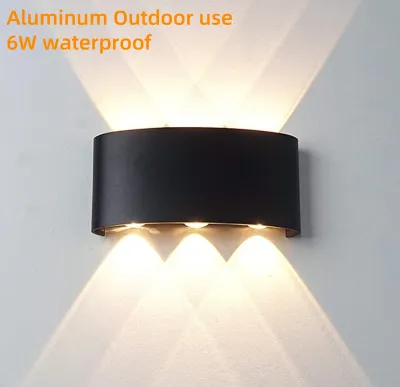
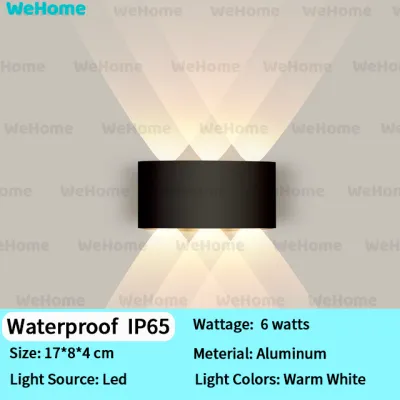
Prices are valid at publication and may change. Please refer to the product page for the latest price.
Physical measurements are critical to avoiding a cramped layout. Measure the width and height of your bedside tables, the height of your headboard from the floor, and the exact wall space available on either side of the bed. In many homes, concrete or hollow-block walls are standard, meaning that drilling and routing wires requires more effort than it would on drywall. Knowing your wall type and available space beforehand prevents you from purchasing a fixture that is too wide or requires complex recessing that your walls cannot accommodate.
Match Wall Light Styles to Your Bedroom Theme
A cohesive bedroom relies on a unified design language, where your wall light acts as an extension of your chosen theme. For minimalist and modern bedrooms, look for fixtures characterized by clean lines, geometric shapes, and unornamented structures. Matte black, brushed brass, or satin nickel finishes with slim profiles work exceptionally well here. These designs focus on simplicity, allowing the light itself to define the space without cluttering the wall.

If your bedroom leans toward a traditional or classic aesthetic, opt for fixtures that feature curved arms, detailed metalwork, or classic fabric shades. Sconces with elegant gooseneck arms or swing joints in antique brass or polished chrome add a timeless touch. Fabric shades soften the light, casting a warm, diffused glow that complements rich wood furniture, tufted headboards, and layered linens.
For industrial or rustic themes, look for raw metal finishes, exposed bulbs, and natural material accents like wood or leather. Sconces featuring matte iron, distressed bronze, or wire cages pair beautifully with reclaimed wood headboards and brick or textured plaster walls. When opting for exposed bulbs, consider using warm-toned filament bulbs to keep the industrial look from feeling too harsh or clinical in a resting space.
Coordinate Finishes, Colors, and Materials
Harmonizing the physical materials of your wall light with your bedroom’s existing elements creates a polished, intentional look. You do not need to match every metal finish exactly; in fact, mixing metals can add depth to your decor. A good rule of thumb is to limit your room to two metal finishes: a dominant one that covers about seventy percent of the metal surfaces, and an accent finish for the remaining thirty percent. For example, if your cabinet handles and curtain rods are matte black, you can introduce a brushed brass wall light to serve as a warm, sophisticated accent.
The color and material of the lamp shade also play a major role in the room’s visual flow. Fabric shades in linen or cotton offer a soft, organic texture that pairs well with cozy bedding, but in humid tropical environments, they can accumulate dust and moisture over time. Glass shades, whether clear, frosted, or ribbed, are highly durable, easy to wipe clean, and offer excellent light transmission. Metal shades provide a sleek, solid look and direct light precisely where it is needed, making them ideal for modern or industrial spaces.
When choosing shade colors, decide whether you want the fixture to blend in or stand out. A shade that matches your wall color creates a clean, integrated look where the light effect takes center stage. On the other hand, a contrasting shade—such as a dark charcoal shade against a crisp white wall—creates a striking focal point that draws the eye toward the bed setup.
Determine the Right Scale and Placement
Achieving the perfect visual balance requires careful attention to scale and proportion. A wall light that is too large can overwhelm a small nightstand, while a tiny fixture can look lost next to a grand, high-backed headboard. Ideally, the width of the wall light should not exceed half the width of your bedside table. This proportion ensures that the fixture feels balanced and leaves enough physical space on the tabletop for your phone, a book, or a glass of water.
Mounting height is equally critical for comfort and functionality. As a general guideline, the bottom of the lamp shade should sit approximately thirty to thirty-six inches above the top of your mattress, or roughly at your sitting eye level. This height ensures that the light source is positioned perfectly for reading without casting a harsh glare directly into your eyes when you are sitting up in bed.
Horizontal placement must also be planned carefully to prevent accidental bumps when getting in and out of bed. Position the fixture so that it is centered over the nightstand or aligned with the outer edge of your headboard. If you choose a swing-arm wall light, test its full range of motion to ensure it can extend over your reading area without hitting your headboard or blocking access to bedside switches and outlets.
Balance Ambient and Task Lighting Functions
Bedside lighting must serve dual purposes: providing a relaxing ambient glow for winding down and offering focused task lighting for reading. The color temperature of your bulbs plays a significant role in setting the right mood. For a bedroom, warm white light (around 2700K to 3000K) is highly recommended, as it mimics the soft glow of sunset and helps prepare your body for sleep. Avoid cool white or daylight bulbs (above 4000K) next to the bed, as their blue-rich light can disrupt your sleep cycle.
The design of the fixture dictates how light is distributed. If you primarily use your bed for sleeping and relaxing, a diffused glass shade or an upward-facing sconce will wash the walls with soft, indirect light. If you are an avid reader, look for fixtures that feature a dedicated, adjustable reading arm alongside an ambient shade. This hybrid design allows you to switch between a soft room glow and a focused, glare-free beam directed onto your book.
To maximize flexibility, verify that your chosen wall light and bulbs are compatible with dimmer switches. Dimming capability allows you to adjust the light levels seamlessly from a bright setting for morning preparation to a low, gentle glow for late-night reading. If you are using LED bulbs, ensure they are explicitly labeled as dimmable and paired with a compatible LED dimmer switch to prevent flickering.
Installation Safety and Electrical Boundaries
Before purchasing any electrical fixture, you must verify its technical specifications to ensure safe operation. In the Philippines, the standard residential voltage is 220V at 60Hz. Ensure your wall light is rated for this voltage and check the socket type (such as E27 or GU10) to ensure compatible bulbs are readily available. Always respect the maximum wattage limit printed on the fixture’s label to prevent overheating and potential fire hazards.
The installation process depends on whether you choose a plug-in or a hardwired fixture. Plug-in sconces are highly convenient, requiring only basic mounting screws and a nearby wall outlet, making them excellent for rental properties. Hardwired fixtures offer a cleaner, seamless look with no visible cords, but they require routing electrical wires behind the wall. For hardwired installations, especially when drilling into solid concrete walls or modifying existing electrical circuits, always isolate the power at the main breaker and hire a licensed electrician to complete the work safely and in compliance with local electrical codes.
Secure mounting is essential to prevent the fixture from falling. Bedside wall lights are frequently adjusted or bumped, placing stress on the mounting bracket. If you are installing on drywall, ensure the mounting plate is anchored directly into a wall stud or use heavy-duty toggle bolts. For concrete walls, use high-quality masonry wall plugs and screws that can easily support the weight of the fixture over time.
Common Pairing Mistakes to Avoid
One of the most common design mistakes is selecting a wall light that is visually too heavy or too light for the surrounding furniture. A bulky, solid metal industrial sconce paired with a delicate, glass-topped nightstand can make the bedside area feel top-heavy and unbalanced. Always aim for a harmonious relationship where the visual weight of the light complements, rather than dominates, the furniture below it.
Another frequent error is ignoring glare and light placement. Positioning a bare bulb or an unshielded light source directly at eye level creates uncomfortable glare that strains your eyes and ruins the relaxing atmosphere of the bedroom. Ensure that the bulb is shielded by a shade, or position the fixture high enough so that you do not look directly into the light source when sitting or lying down.
Finally, avoid mixing too many competing metal finishes without a unifying design element. While a curated mix of metals looks sophisticated, combining shiny chrome, brushed brass, antique bronze, and matte black in a single bedside setup can look chaotic. Stick to a maximum of two finishes that share a similar undertone or design style to maintain a cohesive and intentional aesthetic.
Frequently Asked Questions (FAQ)
Do bedside wall lights need to match the ceiling light?
No, your bedside wall lights do not need to be an exact match to your main ceiling light. In fact, matching every fixture in a room can make the design feel rigid and sterile. Instead, aim for coordination by sharing a common design element, such as a matching metal finish, a similar geometric shape, or complementary shade materials. For instance, if your ceiling light features a matte black frame with clear glass globes, you can pair it with bedside sconces that have matte black arms and frosted glass shades to create a cohesive yet dynamic look.
Can I use different wall light styles on each side of the bed?
Yes, asymmetrical bedside lighting can look incredibly stylish and modern, provided you maintain visual balance. To make different wall light styles work together, ensure they share at least one unifying characteristic, such as the same metal finish, matching bulb color temperatures, or identical mounting heights. For example, you might install a sleek, adjustable reading arm on one side of the bed for an avid reader, and a matching finish globe sconce on the other side for ambient light, creating a balanced yet personalized setup.

Community discussion
Share your experience or ask a question. Comments are reviewed before publication.