
To successfully pair bedside wall sconces for both reading and ambiance, you must select fixtures that offer targeted, adjustable illumination alongside a soft, glare-free background glow. Achieving this balance involves coordinating the physical design of the sconce, the light direction, and the bulb specifications to suit your personal bedtime routine. In tropical climates like the Philippines, where bedrooms serve as breezy sanctuaries cooled by ceiling fans or air conditioning, your lighting choices also need to withstand local humidity levels and integrate seamlessly with your existing electrical setup.
Define Your Dual Lighting Needs
Bedside lighting is inherently multi-functional, serving both practical and emotional purposes. Task lighting requires a focused beam that illuminates the pages of a book or the surface of a tablet without straining your eyes or spilling excess light onto a sleeping partner. Ambient lighting, on the other hand, provides a gentle wash of light that fills the room, creating a relaxing atmosphere that signals to your body it is time to wind down.
Consider your specific reading habits before committing to a fixture. If you prefer sitting upright against a padded headboard, you will need a light source positioned higher and with more forward reach than someone who reads while lying flat on their side. Furthermore, reading a physical book demands brighter, more direct illumination than reading on a self-lit e-reader or tablet, which only requires a very low level of ambient background light to reduce screen glare.
Products mentioned in this guide
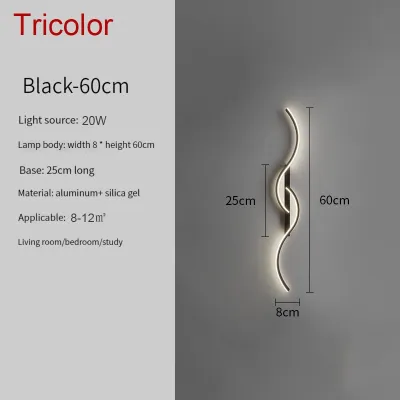
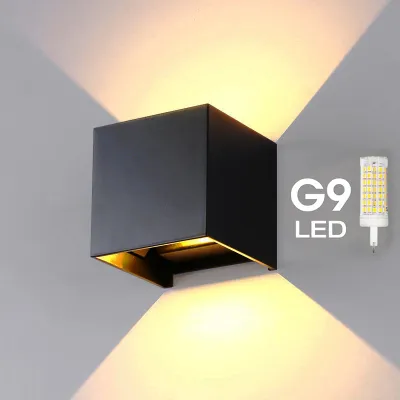

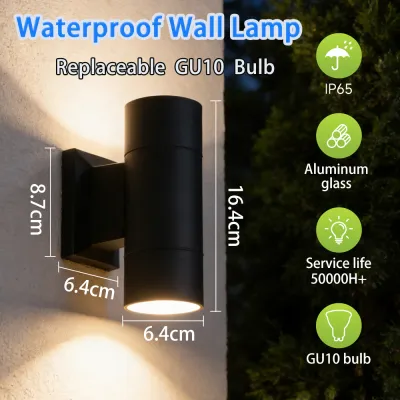
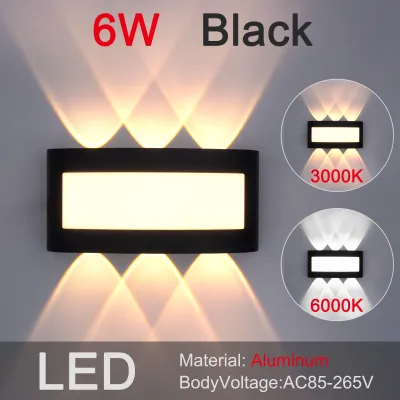
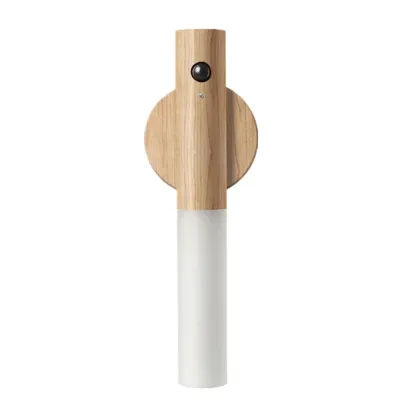
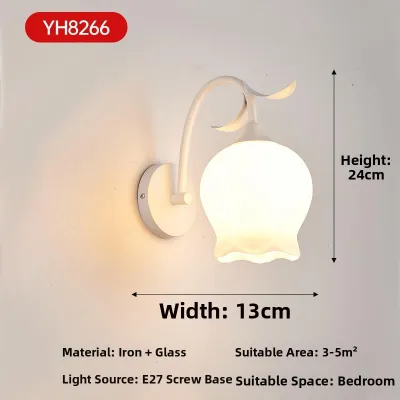
Prices are valid at publication and may change. Please refer to the product page for the latest price.
Take a close look at your bedroom’s existing light sources, such as natural light from windows, overhead ceiling fans with integrated lights, or wardrobe downlights. If your bedroom already has ample ambient light, your bedside sconces can focus more heavily on directional task lighting. Conversely, if the room lacks general illumination, choosing sconces that can cast light both upward and downward will help fill the space effectively.
Match Light Direction and Beam Angle
The physical structure of a sconce dictates how it distributes light across your bed. Adjustable swing-arm sconces and fixtures with flexible goosenecks are excellent for dedicated readers because they allow you to pull the light source close to your page and angle the beam precisely where you need it. Once you are finished reading, you can push the arm back against the wall to keep the bedside area clear and uncluttered.

In contrast, fixed uplights or downlights are designed to wash the wall with a soft glow, making them ideal for creating a soothing ambiance but less effective for focused reading. The material of the shade plays a critical role in this distribution. Opaque metal or thick ceramic shades concentrate the light into a direct, controlled beam, preventing light spill from disturbing anyone else in the room. Translucent fabric, glass, or paper shades diffuse light in all directions, softening the overall atmosphere but potentially causing glare if the bulb is directly visible at eye level.
To achieve the perfect balance, look for hybrid designs or pair a directional reading light with a secondary, diffused light source. Some modern sconces feature dual light sources on a single backplate: a soft, fabric-shaded ambient light and a small, adjustable LED spotlight on a flexible arm. This configuration allows you to switch between a relaxing room-wide glow and a highly targeted reading beam depending on your immediate needs.
Coordinate Color Temperature and Dimming
Light color and intensity directly influence your sleep quality and visual comfort. For a relaxing bedroom ambiance, warm white light is highly recommended, typically falling within the range of 2700K to 3000K. This warm hue mimics the soft glow of sunset, helping your body transition into a restful state, whereas cool blue light can disrupt your natural sleep cycle.
When selecting bulbs for your sconces, always verify the specifications printed on the packaging, paying close attention to the color temperature, lumen output, and base type. In the Philippines, the standard household voltage is 220V, and most residential wall fixtures utilize a standard E27 screw base or a GU10 bi-pin connector. Ensuring your bulbs match these local electrical standards is essential for safe operation and easy replacement.
Integrating dimming capabilities is the most effective way to transition your sconces from functional reading lights to soft ambient nightlights. Choose fixtures that are explicitly labeled as dimmable, and pair them with a compatible wall dimmer switch. It is crucial to verify that your chosen LED bulbs and the dimmer switch are designed to work together; mismatched components often lead to annoying flickering, buzzing, or premature bulb failure.
Align Style, Finish, and Scale
Bedside sconces are prominent design elements that should harmonize with your bedroom’s aesthetic. Consider the existing finishes in your room, such as the metal drawer pulls on your nightstands, the frame of your bed, or nearby window hardware. While you do not need an exact match, choosing complementary finishes—such as pairing matte black accents with warm brass, or brushed nickel with cool tones—creates a cohesive and intentional look.
The physical scale of the sconces must be proportionate to your bed and surrounding furniture. A massive, heavy-looking industrial sconce can easily overwhelm a delicate single bed or a small, minimalist nightstand. Conversely, a tiny, slender fixture might look lost next to a grand king-size headboard. Measure the width of your headboard and the height of your nightstands to ensure the fixtures sit comfortably within the visual boundaries of the bedside zone.
Symmetry is a classic design choice that brings a sense of order and calm to a bedroom, making identical pairs of sconces a popular option. However, if you prefer an asymmetrical look, you can pair different fixtures as long as they share a common design thread, such as a matching finish, similar geometric shapes, or equal visual weight. This keeps the bedside area looking balanced rather than chaotic.
Determine Placement Height and Wiring Constraints
Proper installation height is key to preventing glare and ensuring you can easily reach the light switch from a reclining position. As a general guideline, the bottom of the sconce shade should sit approximately at eye level when you are sitting up in bed—usually between 55 to 60 inches (140 to 150 centimeters) from the floor. This height keeps the bulb shielded from direct view while directing the light downward onto your reading material.
Before mounting any fixtures, check the physical constraints of your wall. In many Philippine homes, bedroom walls are constructed from solid concrete or hollow blocks rather than drywall, which affects how you route wiring and secure mounting anchors. Ensure your wall anchors are rated for the weight of the fixture, and verify that there is sufficient depth for any recessed junction boxes if you are planning a hardwired installation.
Working with fixed electrical wiring requires strict safety precautions. Always isolate the power by turning off the correct circuit breaker at your main electrical panel before touching any wires. If your bedroom lacks existing bedside junction boxes, if the wiring lacks proper grounding, or if you are unsure how to safely route new cables through concrete walls, consult a qualified professional electrician to handle the installation and ensure compliance with local electrical codes.
Common Pairing Mistakes to Avoid
One of the most frequent errors is installing non-dimmable fixtures or bulbs, which forces you to choose between a blindingly bright reading light and a room that is too dark to navigate safely. Investing in dimmable options provides the flexibility needed for a multi-use space.
Another common oversight is failing to account for the physical clearance required by swing-arm sconces or wide shades. If a fixture protrudes too far from the wall, you risk bumping your head against it when sitting up, tossing and turning, or adjusting your pillows. Always check the maximum projection measurements of the sconce before purchasing.
Finally, avoid mismatching the bulb types or color temperatures between the left and right sides of the bed. Having a warm, yellow light on one side and a cool, bluish-white light on the other creates an unbalanced visual environment that can cause eye strain and disrupt the peaceful, symmetrical aesthetic of your bedroom.
Frequently Asked Questions (FAQ)
Can I mix two different sconce styles on either side of the bed?
Yes, you can mix different sconce styles, but it requires careful planning to maintain visual harmony. To prevent the room from looking cluttered, keep at least one design element consistent between the two fixtures, such as using the same matte black finish or matching the bulb color temperature. Balancing the visual weight is also essential; for instance, if one side features a swing-arm reading light, the other side could feature a fixed sconce with a similar shade shape and size to preserve a sense of equilibrium.
Do plug-in wall sconces work well for bedside reading?
Plug-in wall sconces are an excellent, renter-friendly alternative to hardwired fixtures because they do not require cutting into your walls or modifying your electrical wiring. They offer great installation flexibility and can be easily mounted using standard wall anchors. However, you must manage the visible cords safely; ensure the cord is long enough to reach your nearest outlet without being stretched tight, and use cord covers or clips to secure the cable flat against the wall, preventing it from becoming a pinching hazard behind your nightstand.

Community discussion
Share your experience or ask a question. Comments are reviewed before publication.