
Creating a balanced, relaxing bedroom environment relies heavily on symmetrical lighting that is easy to control. When you install a pair of bedside wall lamps, you eliminate clutter on your nightstands while establishing a clean, modern aesthetic. Adding remote-control functionality elevates this setup, allowing you to adjust the brightness or turn off the lights without leaving the comfort of your bed.
Achieving this perfect balance requires more than just buying two identical fixtures. You must coordinate their physical placement, ensure their light output matches, and manage their remote signals so they operate seamlessly. In tropical climates like the Philippines, where high humidity can affect electrical components and wall finishes, selecting the right materials and installation methods is equally crucial for long-term safety and performance.
Selecting Matching Wall Sconces for Visual Symmetry
To achieve a balanced look, start by selecting two wall sconces with identical physical dimensions, finishes, and shade materials. Symmetrical design anchors the bed as the focal point of the room. In humid environments, look for durable finishes such as powder-coated aluminum, treated brass, or matte synthetics that resist moisture and prevent premature rusting or peeling.
Products mentioned in this guide
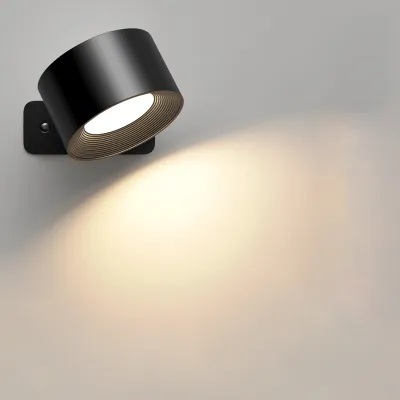
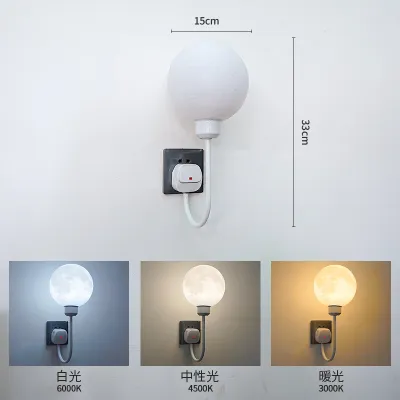
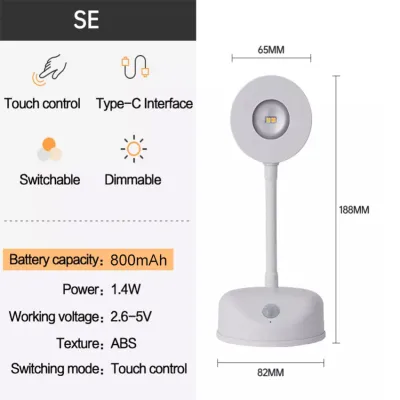
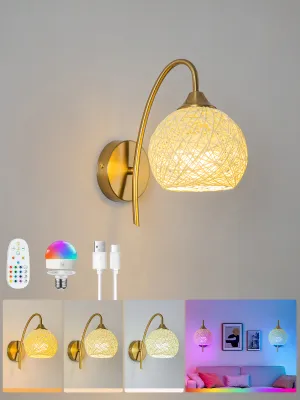
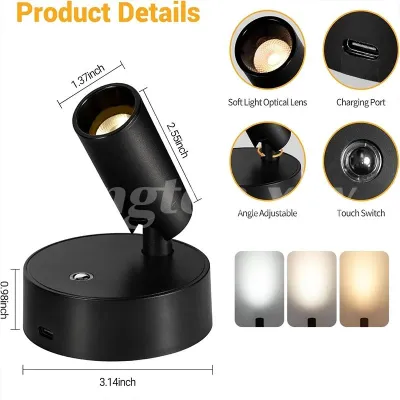
Prices are valid at publication and may change. Please refer to the product page for the latest price.
Next, examine the light distribution patterns indicated on the product packaging. Wall sconces can cast light upward (uplight), downward (downlight), or in all directions (omnidirectional). For bedside reading, downward or adjustable directional sconces are highly practical, whereas uplights create a softer, ambient glow. Ensuring both fixtures share the exact same distribution pattern prevents one side of the bed from feeling brighter or more shadowed than the other.
Finally, verify the technical specifications on the product labels before purchasing. Check the bulb compatibility, base types (such as the widely used E27 or GU10 interfaces), and the maximum wattage limits. Using bulbs with mismatched wattages or different base designs can lead to uneven illumination and may even cause overheating if a bulb exceeds the fixture’s rated capacity. Always confirm that the fixtures are rated for the standard 220V electrical supply used in local households.
Managing Remote Controls for Dual Bedside Lamps
Operating two separate lamps with remote controls requires a clear understanding of how the signals interact. Some manufacturers package wall lamps with a single remote pre-paired to both receivers, allowing you to control both lights simultaneously. Other models require two separate remotes, which is ideal if you and your partner prefer independent control over your respective sides of the bed.

The technology behind the remote determines how you must point and operate it. Infrared (IR) remotes require a direct line of sight to the lamp’s receiver, meaning any physical obstacle like a pillow or mosquito net can block the signal. In contrast, radio frequency (RF) or Bluetooth remotes offer a broader, non-line-of-sight range, allowing you to adjust the lights from under the sheets or even from across the room.
If your chosen fixtures do not come with built-in remote systems, or if a proprietary remote is eventually lost, smart bulbs or smart plugs serve as excellent alternatives. By installing compatible smart bulbs into standard E27 bases, you can synchronize both lamps through a single mobile application or a dedicated wireless smart switch. This setup provides flexible dimming options and scheduling features without relying on a single physical remote control.
Planning Placement and Installation for Balanced Light
Proper positioning is essential to prevent glare and ensure comfortable reading light. As a general guideline, mount the wall sconces so the bottom of the shade sits approximately 55 to 75 centimeters above the mattress surface, or roughly at eye level when you are sitting up in bed. This height keeps the direct light source shielded from your eyes while directing ample illumination onto your book or bedside table.
You must also choose between a hardwired installation and a plug-in model. Hardwired sconces offer a seamless, cord-free look but require wall chasing, running electrical conduits through the wall, and connecting directly to your home’s wiring. Because this involves working with fixed wiring and potentially concrete walls common in local homes, you must isolate the power at the main circuit breaker and follow the manufacturer’s installation instructions carefully. For safety and compliance with local electrical codes, hire a qualified professional to handle hardwired installations.
Plug-in models offer a simpler, reversible alternative that is highly suitable for rental properties. These fixtures mount directly to the wall and plug into a standard nearby outlet, requiring only basic cord management solutions like self-adhesive paintable cord covers to keep the wires neat and safe. Whichever installation path you choose, measure carefully to ensure both fixtures have equal horizontal clearance from the bed frame and headboard to preserve visual symmetry.
Common Pairing Mistakes and Restrictions to Avoid
One of the most frequent mistakes in dual-lamp setups is mixing different color temperatures. Even if two bulbs have the same wattage, a warm white bulb (around 2700K to 3000K) on one side and a cool daylight bulb (6000K or higher) on the other will ruin the visual balance and strain your eyes. Always check the packaging to ensure both bulbs share the exact same Kelvin rating and color description.
Another issue is remote signal cross-talk, which occurs when RF-controlled lights on adjacent walls or in neighboring rooms respond to the same remote frequency. If you experience this, consult the product manual to see if you can change the channel or re-pair the remote to a specific receiver. Additionally, always verify that your wall structure can support the weight of the fixtures. Heavier metal or glass sconces require sturdy wall anchors; if you encounter crumbling plaster or unstable drywall during installation, stop immediately and seek professional advice.
Frequently Asked Questions (FAQ)
Can I use one remote to control two separate wall lamps?
Yes, but this depends entirely on the signal type and pairing capabilities of your fixtures. Infrared (IR) remotes will generally control any compatible receiver within their direct line of sight, meaning pointing the remote at both lamps simultaneously can turn them both on or off. For radio frequency (RF) or Bluetooth systems, you must check the product manual to see if the receivers support multi-device pairing or if they are permanently locked to individual remotes.
Do plug-in remote wall lamps require an electrician?
No, plug-in models do not require professional electrical installation because they simply plug into an existing, standard wall outlet. You can easily mount them yourself using basic tools, wall plugs, and screws, making sure to use cord concealers to keep the cables tidy. However, if you decide to convert them to a hardwired system or need to install new wall outlets near your bedside, you must turn off the main power at the breaker and hire a licensed electrician in the Philippines to ensure a safe, code-compliant setup.

Community discussion
Share your experience or ask a question. Comments are reviewed before publication.