
To achieve a balanced living room lighting scheme, you must treat wall sconces as supportive layers rather than isolated light sources. Pairing a side light for living room spaces with ceiling fixtures, floor lamps, and table lamps requires coordinating their brightness, physical placement, and color temperatures. By distributing light across different heights and controlling them independently, you can transform a flat, harshly lit room into a warm, inviting space that adapts to tropical evenings and daily activities.
Understanding Lighting Layers for a Balanced Look
A well-designed living room relies on three distinct layers of light: ambient, task, and accent. Ambient lighting provides the general illumination needed to navigate the room safely. Task lighting focuses bright, direct light on specific activities like reading or writing. Accent lighting draws attention to architectural features, artwork, or specific corners, adding depth and visual interest to the overall environment.
Wall sconces are highly versatile fixtures that can serve multiple roles depending on their design and bulb orientation. Upward-facing sconces wash the walls and ceiling with soft, indirect light, contributing primarily to the room’s ambient layer. Downward-facing sconces or adjustable swing-arm designs direct light downward, making them excellent for task lighting near a reading chair or accent lighting over a side table.
Products mentioned in this guide
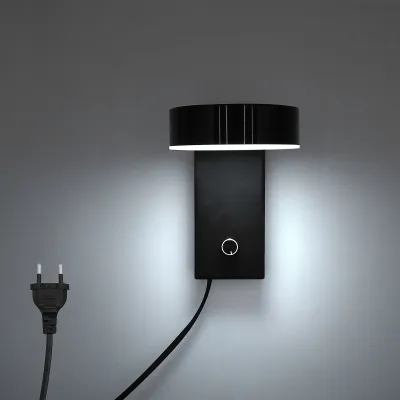
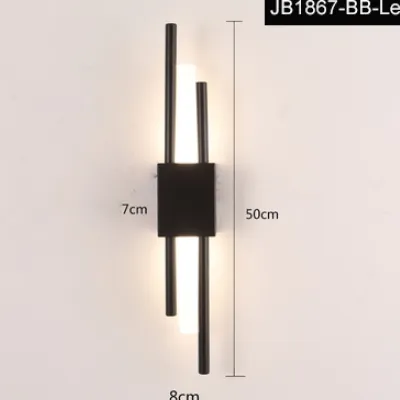
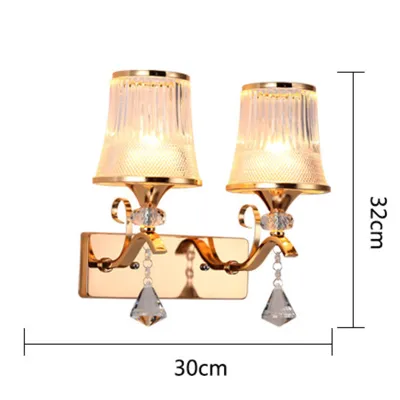
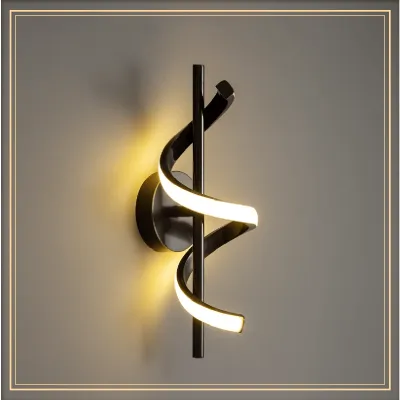
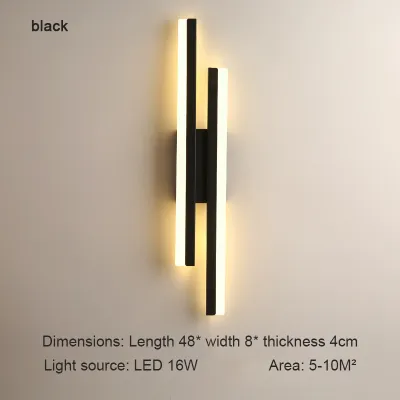
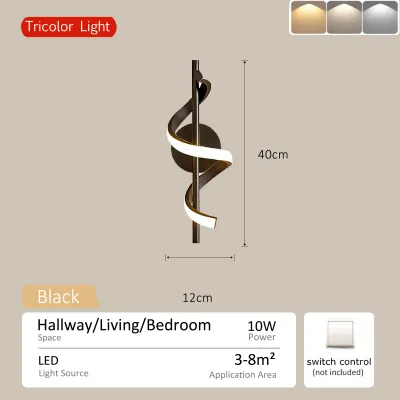
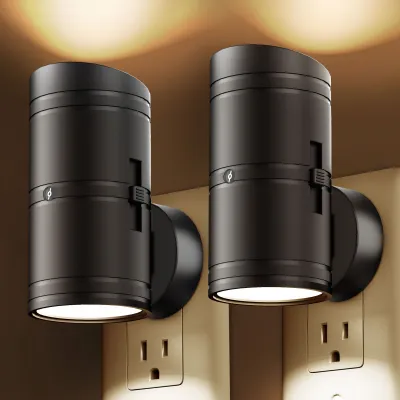
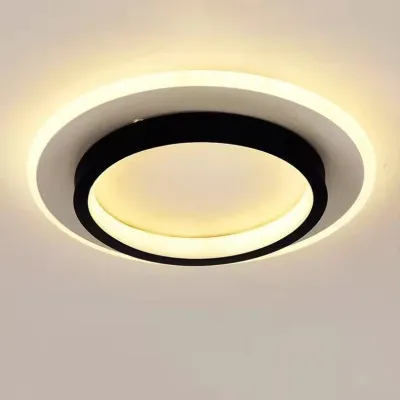
Prices are valid at publication and may change. Please refer to the product page for the latest price.
Before adding new fixtures, evaluate your current living room setup during the evening. Identify where shadows pool or where a single overhead light creates harsh glare. If your ceiling light leaves the corners dark, or if your floor lamps do not provide enough fill light, introducing a side light for living room walls can bridge these gaps and balance the overall brightness.
Pairing Wall Sconces with Ceiling Fixtures
Central ceiling fixtures, such as chandeliers, flush mounts, or recessed downlights, typically cast a broad, downward spread of light that illuminates the entire floor area. While efficient, this top-down illumination can sometimes feel clinical or cast unflattering shadows on faces. Wall sconces counteract this effect by casting a horizontal or diffused wash of light across the vertical surfaces of the room, softening the overall atmosphere.

To create a cohesive visual flow, you should coordinate the design elements of your wall sconces with your ceiling fixtures. You do not need an exact match, but sharing a common design language—such as matching matte black finishes, pairing brushed brass with warm wood tones, or aligning geometric shapes—helps the fixtures look intentional. For instance, a modern, minimalist ceiling fan with integrated light pairs beautifully with sleek, low-profile linear wall sconces.
Controlling these light sources independently is crucial for managing the mood and heat output in tropical living spaces. Installing separate wall switches for your ceiling lights and wall sconces allows you to turn off the bright overhead fixtures entirely during relaxed evening hours, relying solely on the gentle glow of your side lights. Adding compatible dimmer switches lets you fine-tune the brightness levels to match the natural transition from dusk to deep night.
Combining Sconces with Floor and Table Lamps
Integrating wall-mounted fixtures with portable lamps creates a dynamic landscape of light at different heights. Standard wall sconces are typically mounted at eye level, which naturally draws the gaze upward. To balance this mid-level glow, you can place lower table lamps on side tables or console units, and position taller arc floor lamps in opposite corners to distribute light evenly across the vertical plane.
Maintaining a consistent color temperature across all your light sources is essential for a harmonious atmosphere. In a living room, mixing cool white bulbs with warm yellow ones can create a jarring, disorganized feel. Opt for consistent color temperatures, such as a warm white range between 2700K and 3000K, which complements natural wood furniture and provides a cozy, relaxing environment during humid tropical evenings.
Using wall sconces also offers significant spatial advantages, especially in compact living rooms where floor space is at a premium. Mounting a sconce on the wall next to a sofa or armchair frees up the surface of your side tables for books, drinks, or decorative items. This approach eliminates the need for bulky table lamp bases, making the room feel more open, airy, and uncluttered.
Placement, Spacing, and Visual Alignment Rules
Achieving visual balance with wall sconces requires careful attention to physical placement and spacing. As a general guideline, sconces should be mounted so that the center of the fixture sits approximately 150 to 170 centimeters above the finished floor. This height keeps the bulb out of direct eye line for most standing adults, preventing uncomfortable glare while ensuring the light washes the wall effectively.
When flanking a central focal point, such as a television, a large piece of artwork, or a main window, position the sconces symmetrically on either side. For a balanced look, place them roughly 60 to 90 centimeters away from the outer edges of the focal point. If you are installing multiple sconces along a long, open wall to act as a side light for living room corridors, space them evenly at intervals of approximately 180 to 240 centimeters to maintain a continuous, gentle wash of light.
Before finalizing your placement and drilling holes, you must verify the structural and electrical conditions of your walls. Use a reliable stud finder to locate wall studs, as mounting heavy fixtures directly into drywall without proper support can lead to damage. Additionally, check for existing plumbing pipes or electrical conduits behind the wall to ensure a safe installation path.
Electrical Safety and Installation Boundaries
Working with electrical fixtures requires strict adherence to safety protocols to prevent shocks, short circuits, or fire hazards. Always turn off the power at the main circuit breaker before inspecting, cleaning, or replacing any hardwired side lights. Never rely solely on the wall switch to isolate the electrical current, as the wiring behind the switch may still carry live voltage.
While replacing an existing, simple wall fixture can sometimes be a straightforward task, installing new hardwired sconces where no junction box exists is a job for a professional. You should hire a licensed electrician to run new electrical cables through your walls, cut precise openings in the drywall, and securely mount new junction boxes. Professional installation ensures compliance with local electrical codes and guarantees that the wiring can handle the load safely.
Before purchasing your fixtures, verify that the voltage rating matches your home’s electrical system, which is typically 220V to 230V in the Philippines. Check the maximum wattage limit printed on the sconce’s socket and ensure your chosen LED or incandescent bulbs do not exceed this limit. Additionally, confirm that your wall switches, especially dimmers, are fully compatible with the specific bulb types you plan to use to avoid flickering or premature bulb failure.
Frequently Asked Questions (FAQ)
Can I mix different metal finishes for my wall sconces and ceiling lights?
Yes, mixing metal finishes is an excellent way to add depth and character to your living room, provided you follow a clear visual hierarchy. Choose one dominant metal finish, such as matte black or brushed brass, to cover about seventy percent of your fixtures, including your main ceiling light. Then, use a contrasting metal finish for your wall sconces or table lamps as an accent. To tie the look together, repeat this secondary metal finish in other room elements like picture frames, cabinet hardware, or furniture legs.
Do wall sconces need to match the exact style of my main ceiling light?
Wall sconces do not need to match the exact style of your main ceiling light, though they should share a common design theme or aesthetic weight. Matching sets work exceptionally well in formal, highly symmetrical, or minimalist living rooms where clean lines and uniformity are the primary goals. However, in transitional or eclectic spaces, mixing styles—such as pairing a rustic wooden ceiling fan with industrial metal sconces—works beautifully as long as you maintain a consistent bulb color temperature to unify the space.

Community discussion
Share your experience or ask a question. Comments are reviewed before publication.