
To pair wall sconces successfully for living room side lighting, you must balance visual weight, functional light output, and physical proportions. Achieving a balanced side light for living room spaces involves deciding between symmetrical or complementary styles while verifying that the electrical specifications match your home’s wiring. By coordinating the finishes, heights, and spacing of your fixtures, you can create a cohesive layer of light that enhances both the utility and atmosphere of your main living area.
Assess Your Living Room Layout and Lighting Needs
Before purchasing any fixtures, evaluate how your living room is used and where light is naturally missing. Side lighting works best when it highlights specific focal areas, such as framing a cozy reading nook, illuminating a piece of artwork, or accentuating architectural features like columns or alcoves. Identifying these zones helps determine where the sconces will deliver the most practical value.
Next, decide on the layout strategy that matches your interior design goals. Symmetrical placement—positioning identical sconces on either side of a fireplace, television, or large sofa—creates a formal, balanced look that feels structured and traditional. Alternatively, asymmetrical placement allows you to position a single sconce over a reading chair or offset a pair to create dynamic visual interest in modern or open-concept spaces.
Products mentioned in this guide
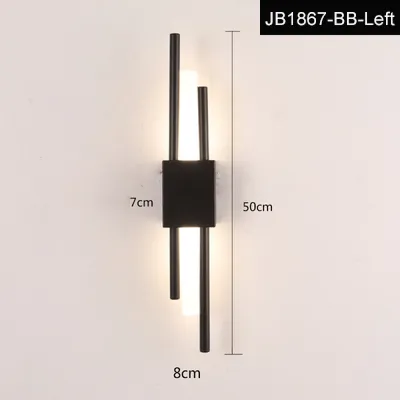
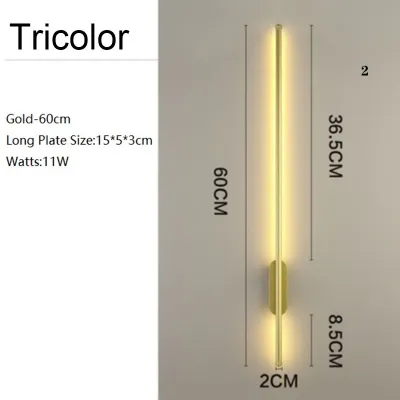
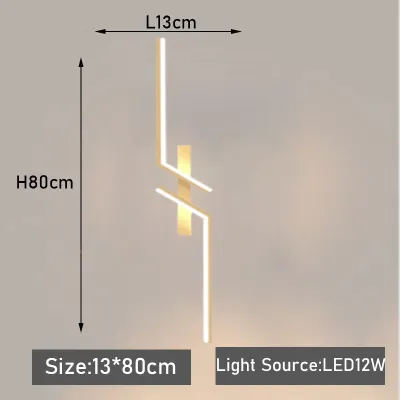
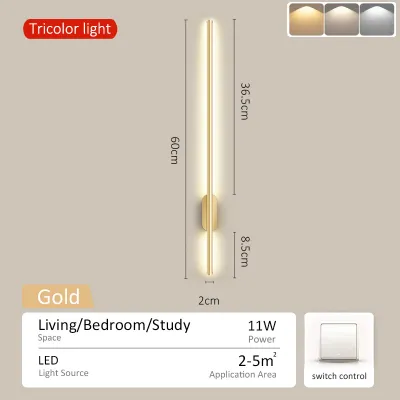
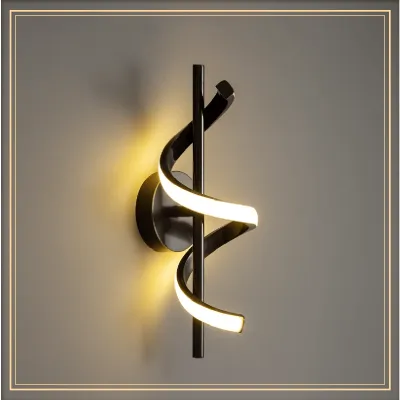
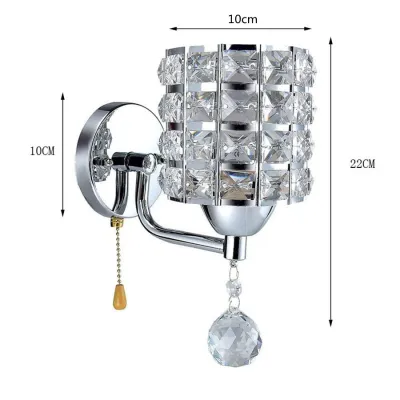
Prices are valid at publication and may change. Please refer to the product page for the latest price.
Finally, consider how these new side lights will interact with your existing ceiling fixtures, floor lamps, and natural light sources. The goal is to layer the lighting so that the sconces fill in shadows without creating harsh glare or leaving dark spots in high-traffic areas. Observing the room at different times of day will help you pinpoint the exact spots where supplementary side lighting is needed.
Choose Between Matching and Complementary Sconce Styles
Choosing the right style strategy depends on whether you want your side lights to blend seamlessly into the architecture or serve as distinct design statements. A matching strategy relies on using identical sconce models to establish a unified, structured appearance. This approach is highly effective for flanking large furniture pieces, as the repetition of form brings an immediate sense of order and calm to the living room.

If you prefer a more curated, eclectic aesthetic, a complementary strategy allows you to pair different sconce shapes that still share a common design thread. To make this work, ensure the mismatched fixtures share at least one dominant characteristic, such as the same metal finish, glass type, or color palette. For instance, pairing a round globe sconce with a linear torch-style sconce can look intentional if both feature the same brushed brass finish.
However, successful pairing requires avoiding common design taboos that can disrupt the visual flow of your room. Mixing vastly different design eras—such as pairing an ornate, traditional candle-style sconce with an ultra-minimalist, industrial LED bar—often looks accidental rather than curated. Additionally, avoid clashing finishes that compete for attention, such as pairing highly polished chrome with rustic, distressed bronze in the same visual field.
Key Specifications to Check Before Pairing
Before finalizing your selection, you must verify the physical and electrical specifications of each fixture to ensure safety and compatibility. Always cross-check the operating voltage, bulb base type, and maximum wattage limits directly on the product labels or manufacturer specifications. In the Philippines, standard residential voltage is typically 220V, so importing or purchasing fixtures rated solely for 110V without a transformer can lead to immediate electrical hazards or product failure.
If you plan to adjust the brightness of your side lights to suit different times of day, verify dimmer switch compatibility beforehand. Not all LED sconces or bulbs are dimmable, and pairing incompatible bulbs with standard dimmers can cause annoying flickering, buzzing, or premature bulb failure. Check the manufacturer’s documentation to ensure the fixture supports your preferred dimming method, whether it is a traditional wall dimmer or a smart lighting system.
Physical dimensions and projection depth are equally critical, especially in high-traffic living room walkways. Measure the wall space carefully and check how far the sconce protrudes from the wall surface. Sconces with a deep projection can become physical hazards in narrow passages or near doorways, so look for low-profile or “ADA-compliant” designs that project minimally while still delivering adequate side illumination.
Installation Heights and Spacing Guidelines
Determining the correct placement for your wall sconces is essential for both visual balance and comfortable illumination. Rather than relying on rigid, universal measurements, establish your baseline mounting height based on your living room’s ceiling proportions and average eye level. A common guideline is to position the center of the fixture around eye level—typically between 1.5 to 1.7 meters from the floor—to prevent the bulb from shining directly into the eyes of standing or seated guests.
Horizontal spacing should be calculated relative to the width of the underlying furniture to maintain a strong visual anchor. For example, if you are flanking a standard three-seater sofa, positioning the sconces approximately 20 to 30 centimeters outward from the outer edges of the sofa frame ensures the lighting feels integrated with the seating area. If you are placing them along an empty wall or hallway transition, space them far enough apart to distribute light evenly without creating overlapping hot spots.
Before marking any drill points or cutting into your drywall or concrete walls, always verify the wall structure. Use a stud finder or wall scanner to check for hidden plumbing pipes, electrical conduits, or structural columns behind the installation site. In tropical climates like the Philippines, concrete and masonry walls are common, requiring appropriate masonry drill bits, wall plugs, and mounting hardware to support the weight of the fixtures safely.
When to Call a Professional Electrician
While some homeowners may feel comfortable mounting plug-in sconces, hardwired fixtures require a clear understanding of electrical safety boundaries. If your installation requires routing new electrical circuits behind the walls, installing new junction boxes, or performing extensive wall repairs, you should call a qualified professional electrician. Attempting to modify your home’s electrical system without proper training can lead to severe shocks, short circuits, or fire hazards.
Working with fixed wiring, mounting fixtures on high ceilings, or handling heavy glass and metal sconces that require extra structural support are tasks best left to professionals. Always prioritize safety by performing a complete power-isolation procedure at your home’s main circuit breaker before touching any electrical wires. A licensed electrician will ensure that all wiring, grounding, and connections strictly adhere to the Philippine Electrical Code and local building regulations, giving you peace of mind and a safe installation.
Frequently Asked Questions (FAQ)
Can I mix different metal finishes for living room side lights?
Yes, you can mix metal finishes, but you should limit the selection to two distinct finishes to prevent visual clutter. Establish one dominant metal—such as matte black—for the majority of your fixtures, and use a secondary metal like brushed brass as an accent. To make the combination look intentional, tie the mixed finishes together by echoing them in other elements of the room, such as cabinet hardware, picture frames, or metal furniture legs.
Do wall sconces provide enough light for a living room on their own?
Wall sconces are rarely designed to serve as the sole primary light source for an entire living room. A well-designed space relies on a layered lighting approach that combines ambient light (like ceiling fixtures), task light (like reading lamps), and accent light (like sconces). Sconces typically serve as supplementary or mood lighting, providing a soft, warm glow that fills in shadows and creates a cozy atmosphere during the evening.

Community discussion
Share your experience or ask a question. Comments are reviewed before publication.