
Transforming a compact condo balcony into a relaxing evening retreat requires a careful balance of convenience and atmosphere. By pairing a Bosca motion sensor with indirect light sources, you can create an automated, soft ambient glow that activates the moment you step outside, completely bypassing the harsh glare of direct overhead fixtures. Achieving this seamless effect depends on placing the sensor where it detects your entry without catching street traffic, angling your light fixtures toward reflective surfaces, and adjusting the sensor’s sensitivity to suit a compact outdoor space.
In high-density residential developments across the Philippines, balconies serve as vital private sanctuaries. However, standard utility lighting on these balconies is often too bright or poorly positioned for relaxation. Integrating a motion sensor allows you to transition from the bright interior of your condo to a soothing, low-light outdoor environment without fumbling for switches in the dark.
To make this setup work beautifully, you must treat the motion sensor not just as a security tool, but as an orchestrator of ambient design. This involves analyzing your balcony’s physical layout, choosing strategic mounting locations, fine-tuning the sensor’s internal settings, and adhering to strict electrical safety standards for outdoor damp environments.
Products mentioned in this guide
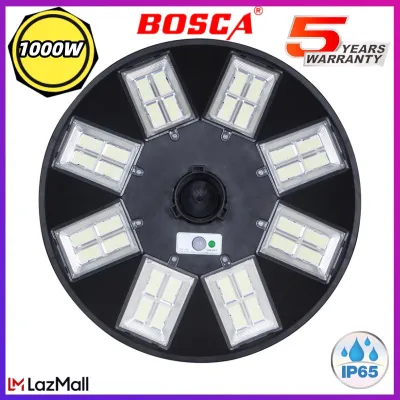
Prices are valid at publication and may change. Please refer to the product page for the latest price.
Assessing Your Balcony Layout for Ambient Zones
Before purchasing any equipment or mounting a sensor, you must thoroughly evaluate the physical dimensions and structural features of your condo balcony. Start by measuring the usable floor space, the height of the railings, and the clearance of any ceiling or overhead structures. These measurements dictate where you can discreetly hide light fixtures and sensors so they do not clutter your limited space or disrupt the visual flow of your decor.
Next, map out the traffic patterns of your balcony by identifying the primary entry point from your living area and comparing it to your planned seating or dining zones. You want the motion sensor to detect your initial step onto the balcony instantly, but you may not want the lights to turn off abruptly while you are sitting quietly reading or enjoying a warm evening. Understanding these zones helps you decide whether to aim the sensor at the doorway or position it to cover the entire seating area.
Power availability is another critical factor that shapes your layout. Locate your existing outdoor electrical outlets or hardwired junction boxes and assess their proximity to planned light fixtures. In Philippine condos, outdoor outlets are often limited or positioned high on the wall, which may require you to plan for weatherproof cable management or select low-voltage lighting systems that run off a single central driver.
Finally, take note of environmental factors such as wind patterns and exposure to rain. Balconies on higher floors are often subjected to stronger winds and driving rain during the monsoon season. Identifying sheltered corners or areas protected by deep overhangs will help you determine the safest spots to install both the Bosca motion sensor and your chosen ambient light fixtures.
Strategic Placement to Avoid Harsh Glare
The key to successful ambient lighting is hiding the light source itself while allowing the emitted light to wash over flat surfaces. To achieve this, position your Bosca motion sensor at ankle or knee level, such as along baseboards, lower railings, or behind large planters. This low-level placement ensures that the sensor triggers low-voltage pathway lights, under-railing LED strips, or step lights that illuminate the floor rather than shining directly into your eyes.

When installing the paired light fixtures, aim the light beams toward solid walls, large decorative planters, or the balcony ceiling. Bouncing the light off these surfaces diffuses the glare, creating a soft, indirect glow that makes the space feel larger and more inviting. For instance, mounting an LED strip underneath a balcony railing and pointing it downward creates a beautiful wash of light along the balcony face without any visible bulbs.
Sensor placement must also be highly selective to prevent annoying false triggers. If your balcony faces a busy street, a common walkway, or a neighboring unit’s balcony, a poorly aimed sensor will constantly activate your lights. Position the sensor so its detection field is strictly confined to your balcony floor, angling it downward and away from external movement, swaying tree branches, or potted plants that move in the wind.
Additionally, consider how color temperature affects the overall mood of your outdoor space. While cool white light is highly functional for task areas, a warm white light (typically between 2700K and 3000K) is generally preferred for creating a cozy, relaxing balcony atmosphere. This warm tone mimics the soft glow of candlelight and blends naturally with the tropical evening breeze, making your outdoor area feel like an extension of your living room.
Configuring the Sensor for a Relaxing Atmosphere
Once your Bosca motion sensor is physically installed, you must configure its settings to match the unique dynamics of a compact condo balcony. Most motion sensors feature adjustable dials for sensitivity, time delay, and ambient light thresholds. Fine-tuning these settings prevents the system from becoming a source of frustration rather than comfort.
Begin by adjusting the sensitivity or detection range dial. In a small space, you do not need the sensor to detect motion ten meters away; a range of two to three meters is usually sufficient to cover the entire balcony. Lowering the sensitivity prevents the sensor from picking up minor movements outside your balcony boundary, such as passing birds or laundry drying on a neighbor’s rack.
The timer setting is equally important for maintaining a relaxing ambiance. If the timer is set too short, the lights will constantly turn off while you are sitting still, forcing you to wave your arms to reactivate them. Setting the timer to a moderate duration, such as five to ten minutes, ensures the lights remain on during quiet conversations or moments of relaxation, while still automatically turning off after you return indoors.
If your Bosca motion sensor includes a built-in photocell or dusk-to-dawn sensor, adjust this setting so the motion trigger only functions when natural light falls below a certain level. This prevents the lights from turning on during bright daylight hours, conserving energy and extending the lifespan of your light bulbs. Test this setting during twilight to find the exact threshold where the ambient lights begin to feel necessary.
Electrical Safety and Installation Boundaries
Working with outdoor electrical installations requires strict adherence to safety protocols, especially in the humid and wet conditions typical of the Philippines. Before purchasing any lighting components or sensors, verify that they carry appropriate outdoor or damp-location ratings, such as an IP (Ingress Protection) rating of IP44 or higher. These ratings ensure the devices can withstand moisture, humidity, and occasional splashes of water.
When running cables or plugging in fixtures, ensure all electrical connections are fully protected from direct rain. Use weatherproof outlet covers, silicone-sealed junction boxes, and drip loops on all outdoor cables to prevent water from traveling along the wire and entering the electrical sockets. Any exposed wiring should be secured inside UV-resistant conduits to protect it from degradation caused by intense tropical sunlight.
For any installation involving fixed wiring, modifying your condo’s existing electrical circuits, or working at unsafe heights near the balcony edge, you must isolate the power at the main circuit breaker before starting. If you are unfamiliar with electrical wiring or if your condo association has strict guidelines regarding structural modifications, stop immediately and hire a licensed professional electrician to complete the hookups.
Furthermore, always consult the manufacturer’s official installation instructions for both the Bosca motion sensor and your paired light fixtures to verify voltage compatibility, maximum wattage limits, and proper grounding procedures. Taking these precautions ensures your beautiful new ambient lighting system remains safe, reliable, and compliant with local building codes for years to come.
Frequently Asked Questions (FAQ)
Can I use a Bosca motion sensor with battery-operated balcony lights?
Most standard Bosca motion sensors are designed for line-voltage (220V) or low-voltage wired systems and cannot be directly paired with independent, battery-operated lights unless those lights feature a compatible wireless receiver or built-in sensor. If you prefer a battery-powered setup, look for integrated motion-activated battery lights or low-voltage systems designed to work with a central controller. Always check the product specifications to ensure compatibility before purchasing.
How do I stop the sensor from turning on when my neighbor walks by?
To prevent your sensor from detecting movement on neighboring balconies or common walkways, you can adjust the physical angle of the sensor downward so its field of view is limited to your balcony floor. If the sensor still picks up unwanted motion, you can apply small pieces of opaque adhesive tape to the sides of the sensor lens to physically block and narrow its detection angle. Additionally, turning down the sensitivity dial will reduce the distance at which the sensor detects movement.
Will heavy rain or severe weather damage the motion sensor?
The weather resistance of your motion sensor depends entirely on its IP rating, which should be verified on the product label before installation. While outdoor-rated sensors can handle normal rain and high humidity, extreme tropical storms or typhoons can drive water into non-sealed enclosures. For plug-in or temporary setups, it is highly recommended to unplug and bring the units indoors during severe weather warnings to prevent water damage and prolong the life of your equipment.

Community discussion
Share your experience or ask a question. Comments are reviewed before publication.