
Placing wall glass mirrors strategically is one of the most effective ways to alter the visual boundaries of a compact room. Rather than physically expanding the square footage, a well-positioned mirror manipulates light and sightlines, creating a convincing illusion of depth and openness. In smaller living spaces, such as urban condominiums or cozy townhouses, walls can often feel restrictive. By introducing reflective surfaces, you can break up these solid barriers, bounce ambient light into dim corners, and make the entire environment feel more breathable and inviting. Mirrors act as visual windows, offering a sense of escape from tight quarters. Achieving this spatial effect requires more than simply hanging a mirror on any vacant wall; it demands an understanding of angles, proportions, and safety.
Best Wall Locations to Create the Illusion of Space
Natural light is a precious commodity in small spaces. To maximize its impact, place your wall glass mirror opposite or adjacent to a window. In tropical climates like the Philippines, where daylight is exceptionally bright, a mirror opposite a window captures sunshine and projects it deep into the room, illuminating dark spots. If direct midday sun causes uncomfortable glare, shifting the mirror to an adjacent wall still captures ambient brightness while softening the reflection. This placement also brings the outdoors inside, reflecting sky or garden views to visually extend the room’s boundaries.
Narrow hallways and tight entryways often feel cramped and dark. Installing vertical wall glass panels or a long horizontal mirror along one side of a hallway instantly doubles its perceived width, breaking the monotony of a blank wall. Similarly, placing a mirror behind key furniture pieces can dramatically alter a room’s dynamics. Positioning a large mirror behind a living room console table or a dining bench creates a “window” effect, tricking the eye into believing there is an open space just beyond the furniture. In a dining area, this setup also reflects the table setting, making gatherings feel more grand and lively.
Products mentioned in this guide
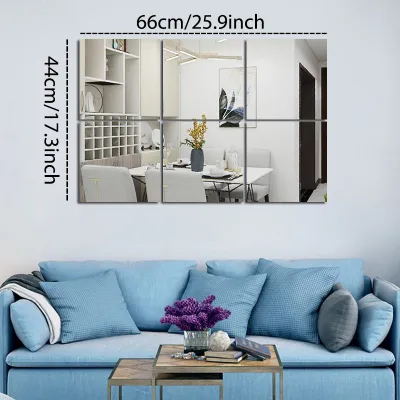
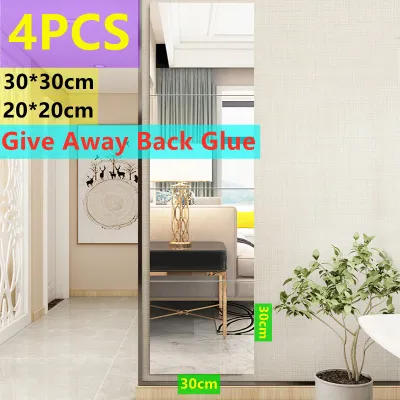
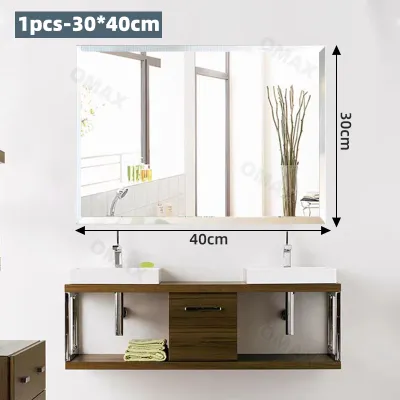
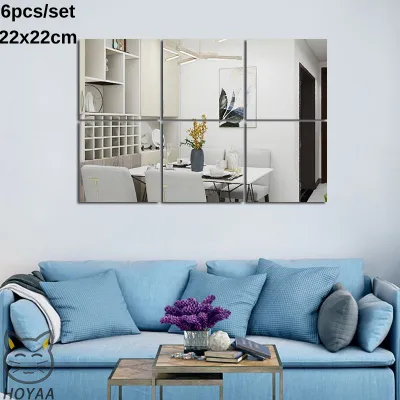
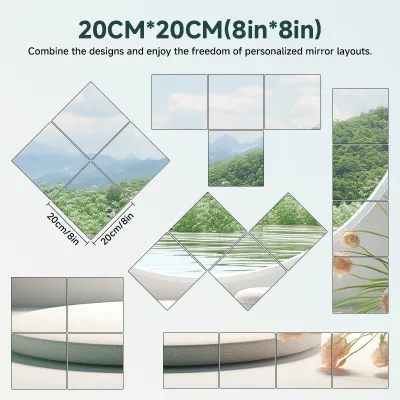
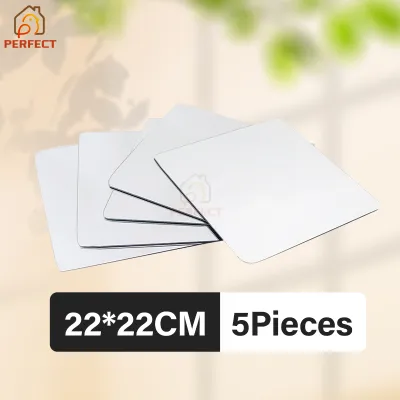
Prices are valid at publication and may change. Please refer to the product page for the latest price.
However, the success of these placements depends entirely on what the mirror reflects. Before finalizing any position, perform a visual audit. Stand exactly where the mirror is intended to go and look at the opposite wall. If the mirror will reflect an open pantry, a cluttered desk, or a utility area, it will visually multiply that clutter. Instead, align the mirror so that it reflects clean, visually pleasing elements, such as an accent wall, artwork, or indoor plants, ensuring the reflection contributes to a sense of order.
Choosing the Right Size and Proportion for Compact Rooms
When selecting wall glass for a compact room, scale is everything. A common misconception is that small rooms require small mirrors to avoid overwhelming the space. In reality, a collection of small, scattered mirrors can segment the wall, creating visual clutter. A single, oversized statement mirror is far more effective at creating a sense of grand scale. An expansive sheet of glass provides an uninterrupted reflection, mimicking a large architectural opening like a picture window. This clean, continuous view draws the eye forward and makes the wall seem to recede.

To maintain visual harmony, the mirror’s dimensions must balance with the surrounding furniture. If you are hanging a mirror above a sofa, console table, or sideboard, avoid choosing a piece that is wider than the furniture below it. A top-heavy arrangement can feel unstable and visually jarring. A good guideline is to select a mirror that is approximately two-thirds to three-quarters the width of the furniture piece it sits above. This proportion anchors the mirror to the furniture, creating a cohesive design unit while offering a generous reflective surface.
Frame design also plays a significant role in spatial perception. Thick, heavy, or dark frames act as strong visual borders, emphasizing the physical limits of the mirror. In a small, light-starved room, these heavy borders can feel oppressive. To maximize the illusion of space, opt for thin, minimalist frames made of light wood, brass, or matte metal. Alternatively, frameless mirrors with beveled edges blend into the wall, allowing the reflection to transition smoothly into the surrounding space. In humid tropical environments, ensure that the frame material and backing are moisture-resistant to prevent warping or silvering degradation.
Optimizing Hanging Height and Tilt Angles
The height at which you hang a wall glass mirror determines how naturally the eye interacts with the reflection. The standard guideline is to position the center of the mirror at eye level, which is roughly 140 to 150 centimeters from the floor. This works well for standing areas like entryways. However, in rooms where people are primarily seated, such as dining rooms or living areas, strict adherence to this rule can result in a mirror that feels too high. Lowering the mirror slightly ensures that seated guests can enjoy a comfortable view without straining, maintaining an integrated feel.
Adjusting the tilt of a mirror can also yield impressive spatial results, particularly in rooms with low ceilings. By angling the top of a wall mirror slightly forward, you can direct the reflection upward to capture more of the ceiling and ambient light, making a low ceiling feel higher. However, tilting a heavy glass mirror introduces structural risks. It is vital to use specialized, secure, anti-slip hardware designed specifically for angled installations, such as adjustable heavy-duty brackets or cleat systems. Never rely on loose wire suspensions or makeshift hooks.
Sightlines must be checked from multiple vantage points within the room. Walk around the space and sit in different chairs to ensure the mirror does not catch harsh glare from overhead light fixtures or create distracting reflections of high-traffic zones. For instance, a mirror that constantly reflects the movement of people walking past a doorway can be visually exhausting. Checking the reflection from the main entrance ensures the first impression is open and welcoming. Adjusting the horizontal position or the tilt angle by just a few degrees can eliminate these distractions, ensuring the mirror provides a calm, steady reflection.
Safe Mounting and Weight Support for Heavy Wall Glass
Installing heavy wall glass requires a careful assessment of your wall’s structural composition. In the Philippines, residential walls are frequently made of concrete hollow blocks, solid concrete, or plaster over masonry, while modern condominiums often utilize drywall partitions over metal studs. Standard nails or adhesive strips are entirely inadequate for securing heavy mirrors, especially in humid tropical climates where moisture can degrade adhesives over time. Drywall installations require heavy-duty toggle bolts or threaded anchors, while concrete walls require a hammer drill, masonry bits, and plastic wall plugs or sleeve anchors.
Before beginning the installation, always review the manufacturer’s weight limits, hardware specifications, and step-by-step instructions. Weigh the mirror on a scale to confirm its exact weight, and select mounting brackets, D-rings, or French cleats that are rated to support at least double that weight for an extra margin of safety. If mounting on drywall, use a stud finder to locate underlying studs, as anchoring directly into them provides the most secure support. Ensure that all hardware is corrosion-resistant to withstand high humidity levels, which can rust standard steel screws and weaken the installation over time.
It is essential to recognize the boundaries of safe DIY installation. When dealing with exceptionally large, floor-to-ceiling mirrors, heavy antique frames, or complex installations that require drilling into delicate tiles or high-up wall surfaces, stop and consult a qualified professional. Working at heights or handling fragile glass sheets exceeding 15 kilograms poses significant safety hazards. A professional installer has the specialized tools, laser levels, and structural expertise to mount the glass securely, ensuring it remains a safe and beautiful feature of your home.
Common Placement Mistakes That Shrink a Room
While mirrors are excellent tools for expanding a room, certain placement mistakes can have the opposite effect, making a space feel chaotic or uncomfortable. One of the most common errors is creating the “infinity effect” by placing two large mirrors directly opposite each other on parallel walls. This creates an endless, repeating tunnel of reflections that can be highly disorienting and visually fatiguing. Instead of expanding the room, it highlights its narrowness and can cause discomfort.
Another mistake is positioning mirrors where they reflect unappealing views or harsh, unshielded light sources. A mirror that directly faces a bright, bare bulb or an exposed utility area will amplify glare and visual noise, making the room feel cluttered and stressful. Always position mirrors so they reflect soft, diffused light or clean, organized spaces. Additionally, consider personal comfort and cultural preferences when placing mirrors in private areas. In bedrooms, a large mirror directly facing the bed can disrupt sleep, so placing the mirror adjacent to the bed or on the inside of a wardrobe door is often a much more comfortable choice.
Frequently Asked Questions (FAQ)
Can I use wall glass mirrors in rooms with no windows?
Yes, wall glass mirrors are highly effective in windowless spaces such as bathrooms, walk-in closets, or interior hallways. In the absence of natural light, a mirror can be used to amplify artificial light sources. Position the mirror opposite a stylish wall sconce, a warm pendant light, or an LED strip. The glass will bounce the artificial light throughout the room, softening shadows and preventing the space from feeling boxy, dark, or claustrophobic.
How do I clean large wall mirrors without leaving streaks?
To keep large wall mirrors crystal clear and highly reflective, avoid cleaning them when they are exposed to direct sunlight or heat, as this causes the cleaning solution to dry too quickly and leave streaks. Mix equal parts distilled water and white vinegar in a spray bottle, or use a high-quality glass cleaner. Spray the solution directly onto a clean microfiber cloth rather than the glass itself; this prevents liquid from pooling at the bottom edges and seeping behind the silver backing, which can cause permanent black spots. Wipe the mirror in a tight, overlapping Z-pattern from top to bottom for a streak-free finish.

Community discussion
Share your experience or ask a question. Comments are reviewed before publication.