
Placing wall mirrors strategically is one of the most effective ways to transform a cramped, dim room into a bright, airy sanctuary. By reflecting both natural and artificial light, a well-positioned mirror tricks the eye into perceiving depth where a solid wall exists, effectively doubling the visual boundaries of your living space. Achieving this spatial illusion requires more than simply hanging a reflective glass pane on any open wall. To elevate your home’s wall mirror aesthetic, you must carefully coordinate the mirror’s position with your room’s light sources, furniture layout, and architectural features.
Assess Your Room's Light and Focal Points
Before driving any nails or anchors into your walls, take time to observe how light and movement flow through the room. In tropical climates, natural daylight can be intense during the morning and afternoon, but it may not reach deep into narrow or partitioned spaces. Walk around the room at different hours to identify where natural light paths enter from windows, glass doors, or open archways. Note the specific spots where sunlight hits the walls directly, as well as the dark corners, narrow pathways, or blank walls that consistently feel shadowed and confined.
At the same time, identify the existing focal points in your room, such as a statement accent wall, an indoor plant display, or a media console. A mirror acts as a visual amplifier; whatever it faces will be duplicated. If you place a mirror directly opposite a busy bookshelf, a cluttered utility area, or a highly decorated wall, you risk creating visual chaos rather than a sense of openness. The goal is to find a placement that captures clean, open space or a pleasant view, allowing the reflection to serve as a calming extension of the room rather than a competing center of attention.
Products mentioned in this guide
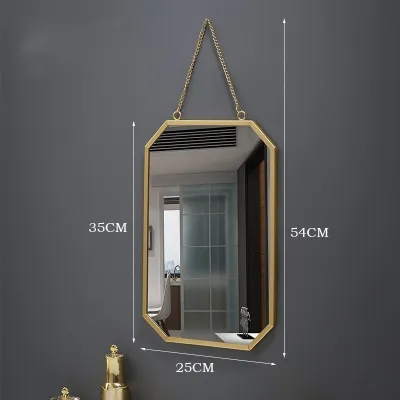
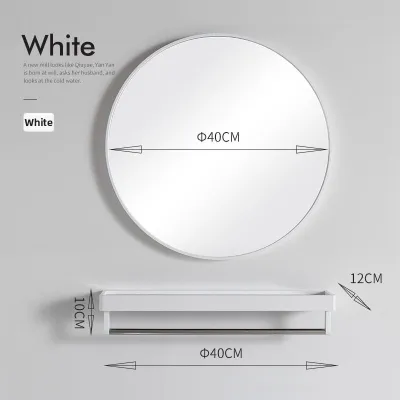
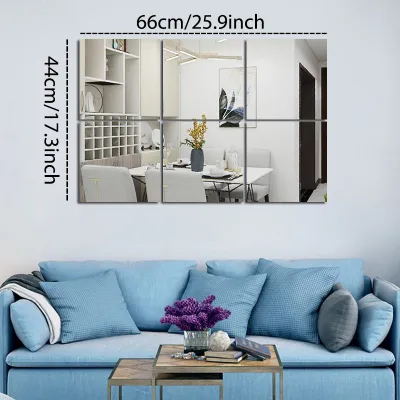
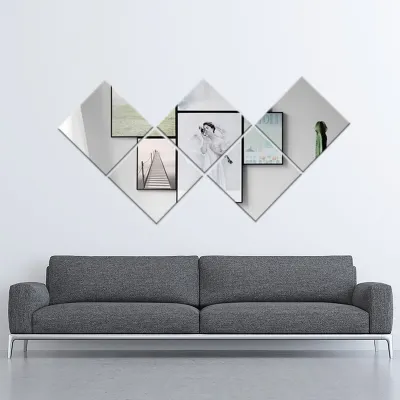
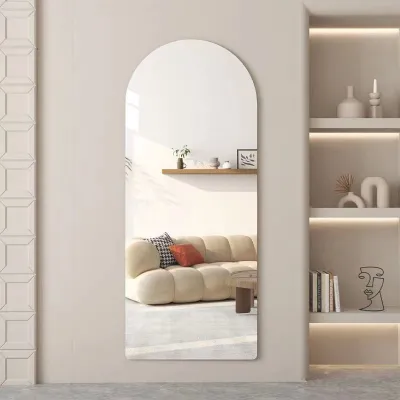
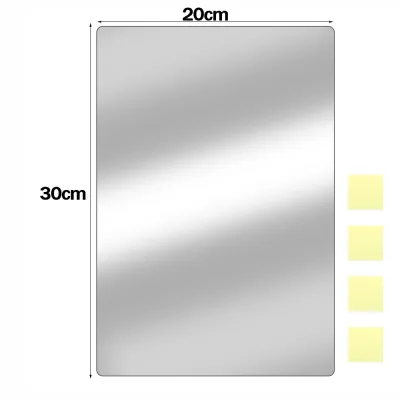
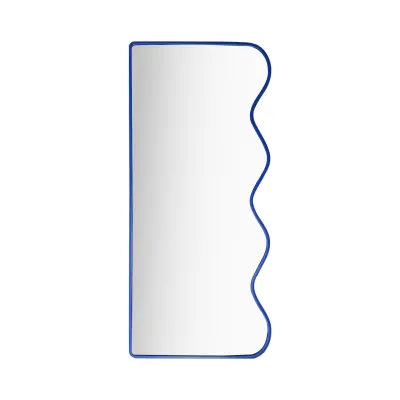
Prices are valid at publication and may change. Please refer to the product page for the latest price.
Strategic Placement Techniques to Expand Space
To successfully expand a small room, you must treat your mirror as a structural tool rather than a mere decorative accessory. The core concept of the wall mirror aesthetic relies on using reflections to simulate architectural depth, making solid walls appear like open doorways or windows. By understanding how light bounces and how the eye processes reflections, you can strategically position your mirrors to visually push back boundaries and make any tight layout feel significantly more generous.

Reflecting Windows and Natural Light
Positioning a mirror opposite or adjacent to a window is the most direct way to bounce daylight deeper into a dark room. When you place a mirror directly opposite a window, it acts almost like an additional window pane, capturing the outdoor view and bringing the brightness of the sky indoors. However, you must be mindful of what lies outside. If your window faces a cluttered alleyway, a plain concrete firewall, or an unappealing structure, reflecting it will only bring that visual clutter inside. Instead, try angling the mirror or placing it on an adjacent wall to capture green foliage, open sky, or a clean outdoor scene.
Additionally, consider the height and angle of the mirror to prevent uncomfortable glare. In warm, sunny environments, bright sunlight reflecting off a mirror can create intense heat spots or blinding glare on seating areas, such as your sofa or dining chairs. Test the reflection from different sitting positions during the brightest hours of the day. If necessary, tilt the mirror slightly downward or adjust its height so that the reflected light path disperses upward toward the ceiling or onto a neutral wall, keeping the living area comfortable and glare-free.
Creating Depth Behind Furniture
Placing large or oversized mirrors behind key furniture pieces is an excellent way to anchor a room’s layout while visually pushing the walls outward. Positioning a wide rectangular mirror behind a low-profile sofa, a sleek console table, or a dining set creates an illusion that the room continues beyond the furniture. This setup grounds the space, making the furniture piece feel integrated into a larger, more open environment rather than crammed against a hard boundary.
To make this technique work, ensure that the reflected image actually enhances the room’s aesthetic. The mirror should capture attractive decor elements, such as a minimalist pendant light, a clean ceiling design, or a well-curated gallery wall on the opposite side. Scale is also critical here. The mirror should be proportional to the furniture below it; a mirror that is too small will look lost and disconnected, while one that is excessively wide can overwhelm the furniture piece and make the entire arrangement look top-heavy. Aim for a mirror width that is slightly narrower than or equal to the width of the furniture piece it sits above.
Expanding Narrow Hallways and Tight Corners
Narrow hallways, entryways, and tight corners are notorious for feeling claustrophobic, but they present the perfect opportunity for strategic mirror placement. Hanging a tall, vertical mirror at the far end of a long, narrow hallway instantly elongates the space, drawing the eye forward and making the passage feel like it continues indefinitely. This simple trick breaks up the visual dead-end of a blank wall and improves the overall flow of transitional areas in your home.
For tight, underutilized corners, you can group smaller mirrors together to create a cohesive gallery wall effect. This adds visual interest and bounces light in multiple directions without the heavy presence of a single massive frame. However, when placing mirrors in high-traffic zones or tight corners, always verify physical clearances. Ensure that nearby doors, cabinet drawers, or foot traffic will not swing into or bump against the glass. In busy households, leaving a safe clearance zone prevents accidental damage and keeps your reflective surfaces safe from cracks.
Selecting the Right Mirror Size, Shape, and Frame
Choosing the right specifications for your mirror is just as important as finding the perfect spot on the wall. To maintain visual balance, follow scale guidelines that align with your room’s existing proportions. If you are hanging a mirror above a console table or sideboard, the mirror’s width should ideally be about 60% to 80% of the furniture’s width. This ratio ensures the mirror feels anchored without dominating the wall. For standalone wall mirrors, a larger size is generally better for creating a spacious feel, provided the wall structure can safely support the weight.
Frame thickness and material also play a significant role in the overall spatial effect. Bulky, heavy wooden or ornate frames can make a small room feel more enclosed because they draw attention to the physical boundaries of the mirror itself, reducing the actual reflective surface area. For a lighter, more seamless look, opt for thin metal frames, frameless designs, or beveled edges that blend into the wall. These minimalist styles maximize the reflective glass area and contribute to a clean, modern wall mirror aesthetic.
The shape of the mirror can also alter how you perceive the room’s structural geometry. Round or arched mirrors are excellent for softening the harsh, straight lines of square rooms, low ceilings, and boxy furniture. They introduce organic curves that make a tight space feel more relaxed and inviting. On the other hand, tall rectangular or square mirrors emphasize vertical or horizontal lines. A tall rectangular mirror placed vertically draws the eye upward, making low ceilings feel higher, while a horizontal placement stretches a narrow wall, making the room feel wider.
Safe Installation and Wall Mounting Guidelines
Hanging a wall mirror safely requires careful preparation, especially when dealing with heavy glass and varied wall structures. Before purchasing any mounting hardware, check the mirror’s exact weight using a scale, and thoroughly read the manufacturer’s specific mounting instructions. Never rely on simple adhesive strips or small nails for heavy mirrors, as tropical humidity can degrade adhesives over time, leading to sudden falls and dangerous shattered glass.
The type of wall in your home dictates the correct anchors and fasteners you must use. In many homes, interior walls are made of solid concrete, hollow concrete blocks, or plaster over masonry. Mounting a mirror on concrete requires a masonry drill bit, plastic or metal wall plugs, and heavy-duty screws. If your walls are made of drywall or gypsum board, you must use toggle bolts or hollow wall anchors. Whenever possible, locate the wooden or metal wall studs behind drywall to secure your mounting screws directly into the structural framing of the house.
For heavy, oversized, or complex installations—such as floor-to-ceiling mirrors, heavy antique frames, or backlit mirrors requiring fixed electrical wiring—always prioritize safety. If the installation involves working at heights, handling fragile glass weighing more than 15 kilograms, or connecting electrical components, consult a qualified professional installer or electrician. Before you release your hold on any newly mounted mirror, use a spirit level to verify it is perfectly level, and gently apply pressure to ensure the hardware is securely fastened and fully seated in the wall anchors.
Common Placement Mistakes to Avoid
Even with the best intentions, a few common placement errors can ruin the space-expanding effect of your mirrors. One of the most frequent mistakes is reflecting clutter. If your mirror faces an open closet, a laundry sorting area, or a kitchen counter piled with dishes, it will double the visual noise, making your small room feel twice as messy and cramped. Always stand where the mirror will hang and look at what is directly opposite to ensure the reflection is clean, organized, and visually pleasing.
Another common error is hanging mirrors too high on the wall. A mirror should be positioned at human scale, with the center of the glass sitting roughly at eye level—typically around 150 to 155 centimeters from the floor. Hanging a mirror too high disconnects it from the furniture and the room’s natural visual flow, forcing people to look upward just to see a reflection of the ceiling. This disconnect breaks the illusion of extended depth and makes the room feel disjointed.
Lastly, avoid using too many small, fragmented mirrors in a single room. While a small gallery of mirrors can work in a tight corner, scattering multiple small mirrors across different walls creates a chaotic, fragmented effect. Instead of expanding the space, the fragmented reflections break up the visual continuity of the walls, making the room feel smaller and more cluttered. When in doubt, choose one large, well-placed mirror over several small ones to achieve a unified, expansive look.
Frequently Asked Questions (FAQ)
Can I place a large mirror directly facing my bed?
While placing a large mirror in the bedroom can help make the space feel larger, positioning it directly opposite your bed is generally not recommended. Seeing your own reflection or sudden movements in the middle of the night can cause visual restlessness and disrupt your sleep quality. Instead, consider placing the mirror on a perpendicular wall, on the inside of your closet doors, or behind your bedside tables to enjoy the spatial benefits without the nighttime distractions.
How do I clean a large wall mirror without leaving streaks?
To keep your mirror’s reflective surface clear and bright, use a dedicated glass cleaner or a simple mixture of water and white vinegar. Spray the solution onto a clean, lint-free microfiber cloth rather than directly onto the glass to prevent liquid from seeping behind the silver backing, which can cause black spots over time. Gently wipe the mirror in a Z-shaped motion, and avoid using abrasive sponges, paper towels, or harsh chemical solvents that could scratch the glass or damage the frame’s finish.

Community discussion
Share your experience or ask a question. Comments are reviewed before publication.