
Hanging a big round mirror for wall spaces is one of the most effective ways to instantly double the perceived size of a compact room. Unlike rectangular mirrors that mimic the rigid, boxy lines of small spaces, a circular silhouette softens sharp corners, draws the eye upward, and introduces a sense of organic flow. By strategically positioning this decorative element, you can bounce natural light into dim corners, create the illusion of an extra window, and make tight living areas feel airy and expansive.
Assess Your Room and Mirror Specifications
Before purchasing or mounting a large decorative piece, you must thoroughly evaluate the physical environment of your room and the structural capacity of your walls. In many homes, particularly in tropical regions like the Philippines, interior walls are constructed from solid concrete, concrete hollow blocks, or lightweight drywall. Each of these materials requires a completely different approach to weight bearing and installation. A large glass mirror is exceptionally heavy, and mounting it incorrectly can lead to severe wall damage or dangerous accidents.
Begin by measuring the exact diameter of your mirror and comparing it to the available wall space. You want to ensure the mirror has enough breathing room; crowding a large circular frame too close to door frames, light switches, or ceiling lines will make the room feel cluttered rather than spacious. Aim for a clearance of at least 15 to 20 centimeters from any adjacent architectural boundaries or tall furniture pieces.
Products mentioned in this guide
![[In stock] 16/20 inch Round Mirror Wall Decor with Frame Large Bathroom Mirror with Organizer Wall Mounted Circle Mirror Black Metal Frame for Bathroom Entry Dining Room & Living Room](https://img.lazcdn.com/g/p/af01f9a085e5d0dabc28a88450b3e4f6.jpg_400x400q80.jpg_.webp)
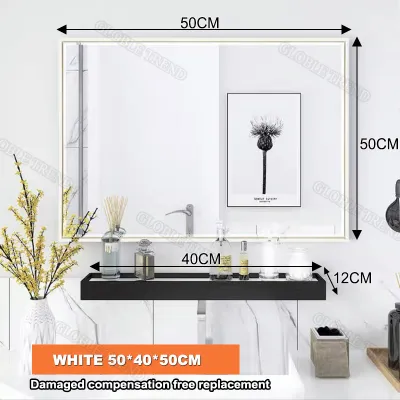
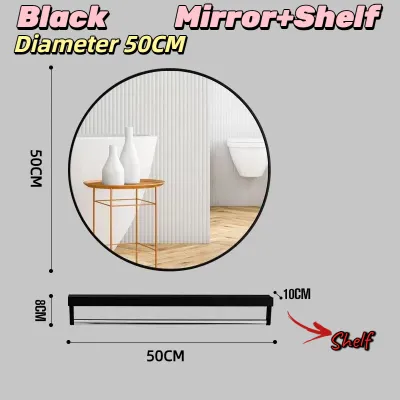
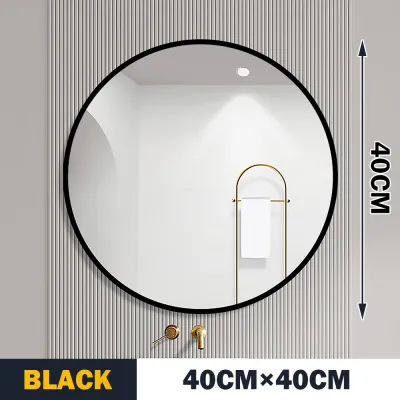
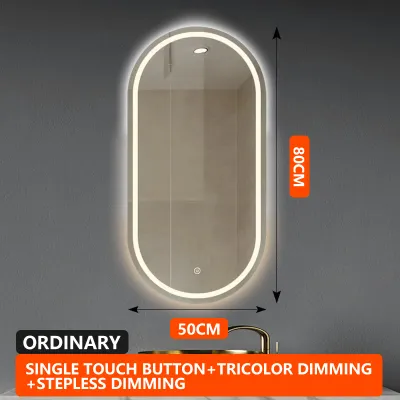
Prices are valid at publication and may change. Please refer to the product page for the latest price.
Additionally, consider the flow of foot traffic. In compact living rooms or narrow hallways, a protruding frame can become a physical hazard. Measure the depth of the mirror frame to ensure it does not obstruct walking paths or interfere with the swing of nearby doors. If your wall is made of drywall, use a stud finder to locate the wooden or metal studs behind the plaster, as hanging a heavy mirror directly onto unsupported drywall will eventually cause the material to sag and fail.
Choose the Best Wall for Visual Expansion
The placement of your mirror determines how effectively it manipulates light and depth. To maximize the spatial illusion, position the mirror on a wall that is directly opposite or adjacent to a primary window. This placement allows the glass to capture incoming natural light and distribute it deep into the room, instantly brightening dark corners and making the entire space feel more open. During the bright, sunny days characteristic of tropical climates, this setup can significantly reduce the need for artificial daytime lighting.

Be highly selective about what the mirror will reflect. The goal is to project an image of open space, beauty, or light. If your mirror is positioned to reflect a cluttered storage rack, an open closet, or a busy utility area, it will simply double the visual clutter and make the room feel twice as cramped. Instead, aim the reflection toward a clean accent wall, an indoor plant arrangement, or an outdoor view of greenery.
Furthermore, pay close attention to how artificial light sources interact with the glass. Placing a mirror directly opposite a harsh, unshielded bulb or a bright ceiling fixture can create blinding glare and visual discomfort during the evening. Position the mirror at an angle where it catches soft, ambient light rather than direct, high-wattage beams. This ensures that the room remains comfortable and visually soothing at all hours of the day.
Determine the Ideal Height and Alignment
Achieving the perfect hanging height is essential for maintaining proper proportions and ensuring the mirror functions as a natural extension of the room. A common mistake is hanging wall decor too high, which forces the eyes upward toward the ceiling and disrupts the visual connection with the rest of the furniture. As a general rule of thumb, the center point of your big round mirror for wall mounting should sit at standard eye level, which is approximately 140 to 150 centimeters from the floor.
If you are positioning the mirror above a specific piece of furniture, such as a console table, a sofa, or a low sideboard, you must adjust the height to create a cohesive grouping. Leave a consistent gap of about 15 to 25 centimeters between the bottom of the mirror frame and the top of the furniture. This gap prevents the mirror from looking like it is floating aimlessly on the wall while ensuring it does not crowd the tabletop decor.
In rooms with asymmetrical layouts or irregular architectural features, strict mathematical centering can sometimes look awkward. Instead, rely on visual balance. If a window sits off-center on one wall, you can balance the weight of the room by placing the mirror on the opposite side, creating a harmonious distribution of light and shape. Always step back several meters to assess the overall composition from different entry points of the room before making any permanent drill marks.
Select Safe Mounting Hardware and Installation Steps
Securing a heavy, large-format mirror requires specialized hardware tailored to your specific wall type. Never rely on simple nails, adhesive strips, or standard plastic picture hangers, as these are not rated to support the substantial weight of large glass decor. For concrete or masonry walls, which are highly common in local homes, you will need to use a hammer drill, masonry drill bits, and heavy-duty plastic wall plugs paired with robust steel screws.
If you are mounting the mirror onto drywall, you must secure the mounting brackets directly into the wooden studs using wood screws. If a stud is not available in your desired position, use heavy-duty metal toggle bolts or self-drilling drywall anchors rated for at least double the weight of your mirror. For exceptionally large or heavy circular mirrors, a French cleat system or heavy-duty D-rings paired with a steel hanging wire offers the most secure and level distribution of weight.
Before you begin drilling, use a high-quality spirit level to ensure your mounting points are perfectly horizontal. Even a slight tilt in a round mirror can distort the reflected lines of the room, breaking the illusion of expanded space. Mark your drill points clearly with a pencil, and double-check your measurements from both the ceiling and the floor to account for any uneven surfaces.
It is crucial to recognize when a DIY installation is no longer safe. If you encounter crumbling plaster, suspect hidden electrical wiring or plumbing lines behind the wall, or find that the mirror is simply too heavy to lift safely, stop immediately. Consulting a qualified local carpenter or professional handyman ensures a secure installation, protecting your investment and preventing costly structural damage or personal injury.
Style and Angle Adjustments for Maximum Impact
Once your mirror is securely mounted, you can fine-tune its surroundings to enhance the spatial illusion. While hanging the mirror completely flush against the wall is the standard and safest method, some designs allow for a slight downward tilt. If you must hang the mirror slightly higher than eye level—such as above a tall mantelpiece—tilting the top of the frame forward by just a few degrees will direct the reflection downward toward the living space rather than upward toward a blank ceiling, effectively capturing more of the room’s depth.
To make the mirror look like a deliberate architectural feature rather than an afterthought, frame it with complementary decor. Placing a tall, leafy indoor plant, such as a snake plant or a peace lily, next to the mirror allows the lush green foliage to be reflected in the glass, doubling the natural, organic feel of the room. This technique is particularly effective in humid tropical environments where indoor plants thrive.
You can also flank the mirror with soft, warm wall sconces to create a beautiful evening ambiance. The glass will gently diffuse the light, casting a warm glow across the room without creating harsh shadows. Avoid over-decorating the area directly in front of the mirror; keeping the immediate space clean and uncluttered allows the reflective surface to do its job of making the room feel open, breezy, and significantly larger.
Frequently Asked Questions (FAQ)
Can I lean a big round mirror against the wall instead of hanging it?
Leaning a large round mirror against a wall can create a relaxed, contemporary aesthetic, but it requires strict safety precautions. Because round mirrors lack a flat base, they are inherently less stable than rectangular floor mirrors and can easily roll or slide if bumped. If you choose a leaning design, ensure the mirror is equipped with a specialized floor stand or a flat bottom edge designed specifically for this purpose.
To prevent dangerous tipping accidents, you must install heavy-duty anti-tip safety straps. These straps anchor the back of the mirror frame securely to a wall stud while allowing the base to rest on the floor. Additionally, be mindful of the floor surface; placing a leaning mirror on slick tiles or polished wood can cause the base to slip outward. Use a non-slip rubber pad underneath the contact points to keep the mirror firmly in place.
How do I clean a large wall mirror without leaving streaks?
Keeping a large mirror clean is essential for maintaining its light-reflecting properties and ensuring a clear, depth-enhancing view. To avoid streaks, use a clean, lint-free microfiber cloth rather than paper towels, which can leave behind tiny fibers and static electricity. For the cleaning solution, a simple mixture of equal parts distilled water and white vinegar, or a dedicated streak-free glass cleaner, works best.
Spray the cleaning solution directly onto the microfiber cloth rather than spraying it onto the glass itself. In highly humid tropical climates, excess liquid can easily run down the glass and pool inside the bottom of the frame. Over time, this trapped moisture can seep behind the protective backing of the mirror, leading to desilverization—a chemical breakdown that causes unsightly black spots and peeling edges around the perimeter of the glass.

Community discussion
Share your experience or ask a question. Comments are reviewed before publication.