
To make a small room look bigger, a full-body mirror should be positioned where it can capture and reflect natural light—ideally perpendicular or opposite to a window—or angled to bounce ambient light into dark corners. This strategic placement tricks the eye by extending sightlines, multiplying the room’s illumination, and creating the illusion of an extra window or an adjacent open space. By carefully choosing what the mirror reflects and ensuring it is securely mounted, you can instantly double the perceived depth of a compact bedroom, living area, or hallway.
Assess Your Room's Light and Layout Before Placement
Before hanging or leaning a heavy glass piece, map out the room’s existing light sources. Observe how sunlight enters through windows during different times of the day, and note where your ceiling fixtures, wall sconces, or floor lamps cast their glow. This mapping helps you identify the optimal reflection paths that will bounce light rather than absorb it.
Next, identify the room’s natural focal points and high-traffic pathways. A mirror should enhance the space, not create a physical hazard or reflect visual clutter like open laundry baskets or disorganized shelving. Ensure there is enough clearance for doors to swing open fully and for people to walk past without bumping into the frame.
Products mentioned in this guide
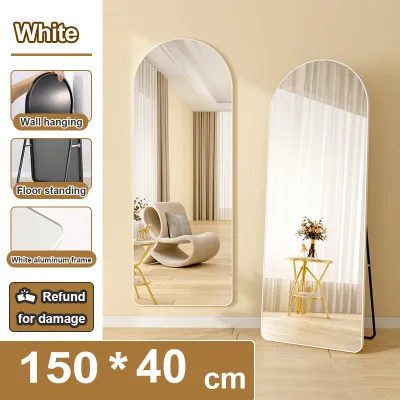
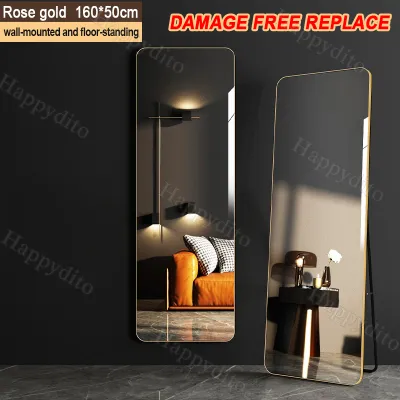
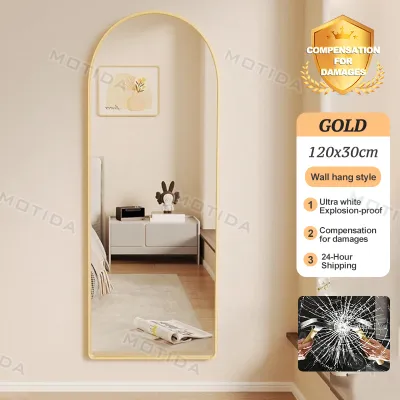
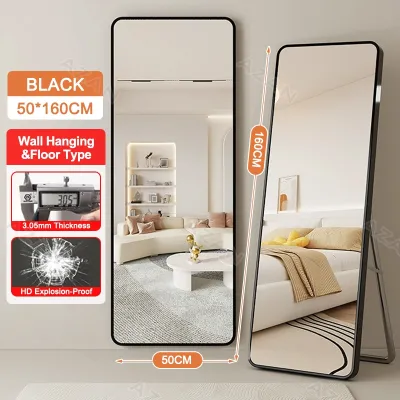

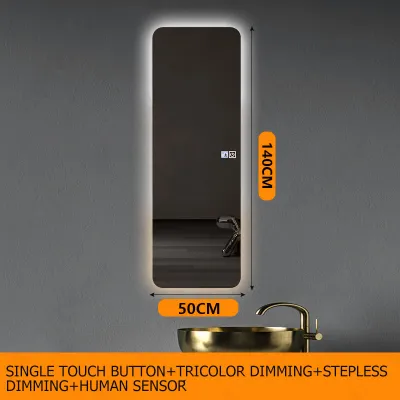

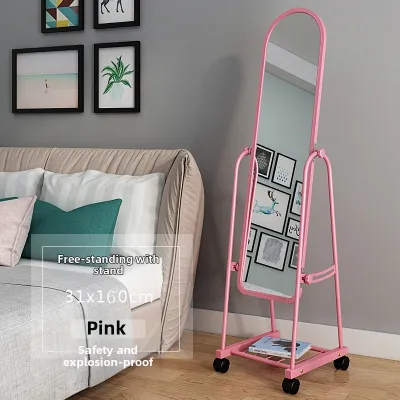
Prices are valid at publication and may change. Please refer to the product page for the latest price.
Finally, evaluate the physical structure of your walls and floor. In tropical climates like the Philippines, concrete, hollow block, or plasterboard walls require different mounting hardware. Determine if your floor is level enough to support a leaning mirror safely, or if a wall-mounted installation is necessary to preserve precious floor space.
Best Placement Strategies to Create the Illusion of Space
The fundamental principle of using mirrors to expand a room lies in manipulating sightlines and light. By reflecting open areas and light sources, a full-body mirror tricks the brain into perceiving a boundary that is much farther away than the actual wall.

Reflecting Natural Light and Windows
Placing a full-body mirror perpendicular or directly opposite to a window is one of the most effective ways to brighten a small room. This setup catches incoming daylight and flings it deep into the darker corners of the space, making the entire room feel airy and open.
However, be mindful of what lies directly opposite the window. If the mirror only reflects a blank, dark wall or a cluttered storage unit, it will amplify that darkness or chaos instead of creating a sense of openness. Aim to capture a view of the outdoors, a clean wall, or a pleasant decorative element.
You must also consider the sun’s path throughout the day. Direct afternoon sunlight hitting a mirror can create a harsh, blinding glare that bounces onto your bed, desk, or seating area, making the room uncomfortable to use during peak hours. Angle the mirror slightly away from direct paths if glare becomes an issue.
Bouncing Artificial Light and Focal Points
When natural light fades, your artificial lighting takes over the job of spatial expansion. Positioning your full-body mirror to reflect a statement light fixture, such as a warm pendant light or an elegant chandelier, can double the ambient glow and add a sense of luxury to a compact room.
Placing the mirror near floor lamps or wall sconces allows the glass to catch and multiply the light, effectively turning a single light source into a broader wash of illumination. This is particularly useful in dark corners or windowless alcoves that tend to make a room feel cramped.
Always check the reflection from your primary seating or viewing angles. The goal is to ensure the reflected image adds visual depth, such as showcasing a beautiful accent wall or a piece of artwork, rather than duplicating a chaotic workspace or a pile of electrical cords.
Creating Depth in Narrow or Awkward Corners
Awkwardly shaped rooms or narrow hallways can benefit immensely from strategic mirror placement. Leaning a large full-body mirror against a short wall can visually push that boundary outward, making a stubby room feel significantly longer.
In narrow walkways or tight corridors, mounting flat mirrored panels along one side can double the perceived width of the passage. Because these panels lie flat against the wall, they do not consume any of the limited floor space needed for walking.
Avoid the temptation to place a large mirror directly at the very end of a long, narrow hallway. Doing so can create a disorienting tunnel effect that makes the corridor feel endlessly confined and visually unsettling rather than open and welcoming.
Choosing the Right Full-Body Mirror for Small Spaces
Selecting the right style of mirror is just as important as its placement. Frameless mirrors or those with ultra-thin metal frames offer a sleek, seamless look that blends effortlessly into the wall, allowing the reflection itself to take center stage without visual interruption.
In contrast, mirrors with thick, ornate, or heavy wooden frames add significant visual weight. While they can serve as beautiful statement pieces, they can easily overwhelm a small room by drawing too much attention to the physical boundary of the mirror itself.
Size is another critical factor to evaluate. Measure your wall dimensions and consider the height of the tallest user; the mirror should be tall enough to show a full reflection without requiring anyone to duck or step back excessively. A height of at least 120 to 150 centimeters is generally recommended for a true full-body view.
Finally, weigh the practical differences between leaning and wall-mounted options. Leaning mirrors are highly portable and ideal for renters who cannot drill into walls, but they do occupy a small amount of floor space. Wall-mounted mirrors keep the floor completely clear, which is often the best choice for maximizing every square inch of a compact room, especially when trying to avoid losing a security deposit of ₱5,000 or more due to unauthorized wall modifications.
Installation and Safety Checks for Heavy Mirrors
Safety must be your top priority when installing a heavy full-body mirror. Before beginning, verify your wall type—whether it is concrete, brick, or drywall—and select the appropriate anchors, screws, and heavy-duty brackets designed to support the mirror’s specific weight.
Always follow the manufacturer’s weight limits and installation instructions. For drywall installations, use a stud finder to locate the wooden or metal studs behind the wall, as standard drywall anchors may fail under the constant pull of a heavy glass mirror.
If you choose a leaning mirror, never rely solely on gravity to keep it upright, especially in homes with children, pets, or high foot traffic. Secure the top of the leaning mirror to the wall using anti-tip safety straps, heavy-duty D-rings, or wall anchors to prevent accidental tipping.
If you encounter structural doubts, suspect hidden electrical wiring behind the wall, or need to mount a mirror near fixed electrical fixtures, stop immediately. Consult a qualified professional to handle the installation safely and avoid damaging your home’s infrastructure.
Common Placement Mistakes to Avoid
One of the most common mistakes is placing a mirror where it directly reflects clutter, such as open wardrobes, laundry baskets, or busy shelving units. This effectively doubles the visual noise in the room, making a small space feel twice as messy and cramped.
Another frequent error is hanging the mirror at an incorrect height. Placing a mirror too high or too low cuts off the reflection of your head or feet, which disrupts the spatial flow and makes the room feel disjointed rather than expanded.
Lastly, avoid overusing mirrors in a single small room. While one or two strategically placed mirrors can work wonders, lining multiple walls with large mirrors can create confusing reflections, endless loops, and a funhouse effect that causes visual fatigue and discomfort.
Frequently Asked Questions (FAQ)
Can I place a full-body mirror directly facing my bed?
Placing a full-body mirror directly opposite your bed is generally not recommended for optimal comfort. The constant reflection of movement, even from turning over in your sleep, can cause visual restlessness and disrupt your sleep patterns. Additionally, any ambient light from windows or streetlights will bounce directly onto your sleeping area, making it harder to maintain a dark, restful environment. Instead, consider mounting the mirror on the inside of a closet door or placing it perpendicular to the bed, which still provides the spatial benefits without compromising your rest.
How do I clean a large mirror without leaving streaks in a tight space?
To clean a large mirror efficiently in a compact room, use a clean microfiber cloth and a dedicated glass cleaner or a mild vinegar-and-water solution. Avoid using paper towels, which can leave behind lint and static. Spray the cleaner directly onto the cloth rather than the glass to prevent liquid from pooling in the bottom corners of the frame, which can damage the backing over time. Wipe the surface in a tight, overlapping Z-pattern from top to bottom. Ensure the room is well-ventilated by opening a window or turning on a fan to help the moisture evaporate quickly, leaving a streak-free, crystal-clear reflection.

Community discussion
Share your experience or ask a question. Comments are reviewed before publication.