
To make a small room look bigger, position a glass wall mirror where it can capture and bounce natural light, reflect open sightlines, and create the illusion of an extra window. Placing a mirror opposite or adjacent to a window, behind key furniture pieces, or at the end of a narrow hallway tricks the eye into perceiving depth where there is none. This simple design technique maximizes the visual footprint of compact spaces, turning cramped rooms into bright, airy environments.
Assess Your Room Before Hanging a Mirror
Before drilling any holes, take a close look at your room’s layout and lighting. Walk around the space to identify where natural light enters through windows and where artificial light fixtures are positioned. Observe how light moves through the room during the day, noting any dark corners or cramped zones that could benefit from a brightness boost.
Next, locate the natural focal point of the room, such as a bed, a sofa, or an accent wall. Your mirror should complement this focal point rather than compete with it. Look for flat, unobstructed wall surfaces that can accommodate a mirror without blocking pathways.
Products mentioned in this guide
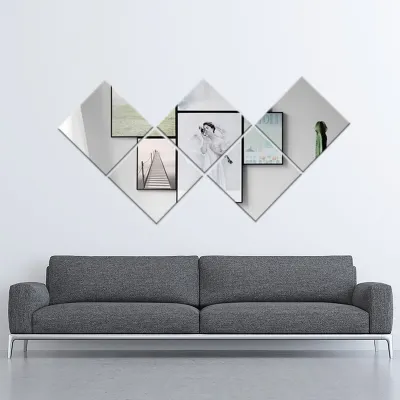
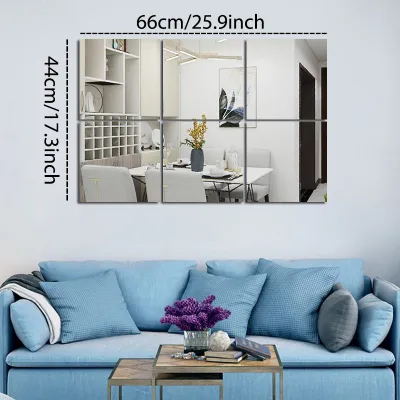
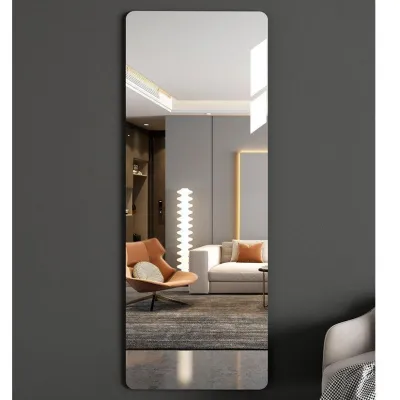
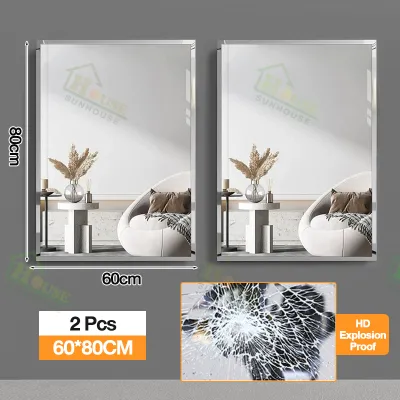
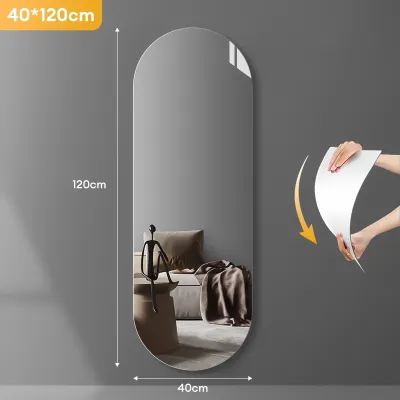
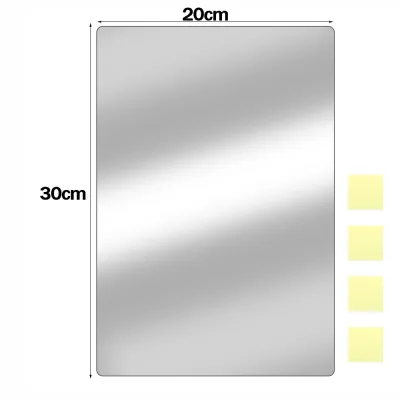
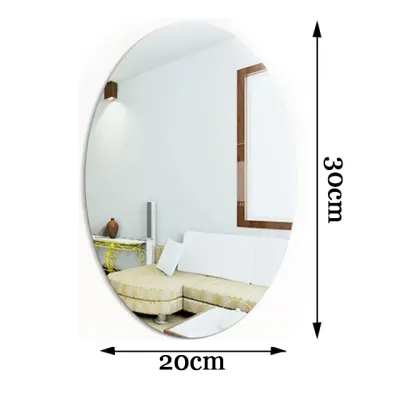
Prices are valid at publication and may change. Please refer to the product page for the latest price.
In tropical climates like the Philippines, high humidity can affect both the wall structure and the mirror itself. If you are mounting a mirror on a concrete hollow block wall, which is standard in many local homes, prepare for masonry drilling. Check the wall for moisture or paint peeling, as dampness can degrade the silver backing of a standard glass mirror over time. Ensure the wall is structurally sound and free of hidden utility lines before proceeding.
Effective Mirror Placement Strategies for Small Rooms
Strategic mirror placement relies on basic physics: reflecting light and extending sightlines. When you place a glass mirror for wall in a small room, you create a visual escape route for the eye. Instead of stopping at a solid wall, the gaze travels into the reflection, tricking the brain into perceiving a larger area.

To achieve this, align the mirror with the room’s natural sightlines. Position it at a height and angle where it reflects open space, an attractive view, or a light source. This simple alignment amplifies available light and adds three-dimensional depth to a flat surface.
Opposite or Adjacent to a Window
One of the most effective ways to brighten a compact room is to hang your glass mirror for wall directly opposite or adjacent to a window. This placement allows the mirror to capture incoming natural light and bounce it deep into the room, acting like an additional window.
When choosing this setup, pay attention to what the mirror reflects. Aim to capture an outdoor view, such as green foliage or the sky, rather than a blank, dark wall. If your window is slightly off-center, adjust the mirror’s horizontal position or tilt it slightly to capture the maximum amount of incoming light.
Behind Furniture to Create Depth
Placing a large glass mirror for wall behind key furniture pieces adds visual layers to a small room. Positioning a mirror behind a sofa, console table, or bed headboard creates the illusion that the room continues beyond the furniture, preventing it from feeling pushed flat against a dead end.
For this strategy to work, the reflected image must remain tidy. Because the mirror sits behind a prominent piece of furniture, it naturally becomes a secondary focal point. Ensure that the reflected area is organized and free of clutter, as reflecting a messy space will only double the visual chaos.
In Tight Corners or Narrow Hallways
Awkward corners and narrow hallways often feel cramped and neglected, but you can open them up with targeted mirror placements. A tall, vertical glass mirror for wall placed in a dark corner draws the eye upward, making the ceiling feel higher while widening the intersection of the walls.
In a short or narrow hallway, hanging a mirror at the very end visually doubles the length of the passage, breaking up the claustrophobic feel of tight corridors. If the hallway is exceptionally narrow, consider a slim, frameless mirror to keep the physical profile flush to the wall and prevent accidental bumps.
Choose the Right Glass Mirror Size and Shape
Selecting the right size and shape for your glass mirror for wall is crucial to maintaining balance in a small room. A mirror that is too small will look lost, while an oversized mirror can overwhelm the space. As a general guideline, when placing a mirror above a piece of furniture like a console table or sofa, aim for the mirror’s width to be approximately two-thirds the width of the furniture below it.
You must also decide between a single large statement mirror and a gallery wall of smaller mirrors. A large, continuous sheet of glass is highly effective at reflecting light and creating a seamless illusion of depth. Conversely, a gallery wall of smaller mirrors adds decorative texture and artistic interest, though multiple frames break up the reflection and may not expand the room as effectively.
Frame thickness and color also play a significant role in spatial perception. Thick, heavy, or dark frames can feel visually heavy and constricting in a tight space. In contrast, thin metal frames, light wood finishes, or completely frameless glass mirrors feel light and airy, allowing the reflection to blend seamlessly with the surrounding wall.
Safe Installation and Mounting Guidelines
Hanging a heavy glass mirror for wall requires careful preparation to ensure safety and stability. Before you begin, verify the exact weight of your mirror to select the correct mounting hardware. For standard drywall or gypsum board walls, lightweight mirrors can use simple hooks, but heavier mirrors require heavy-duty drywall toggles or hollow wall anchors.
In many homes in the Philippines, walls are constructed from solid concrete or concrete hollow blocks. For these surfaces, you must use a hammer drill, masonry drill bits, and appropriate plastic masonry plugs or expansion bolts. While heavy-duty masonry anchors may cost a few ₱, they prevent structural failure and dangerous falls. Never rely on simple nails or adhesive strips for heavy glass mirrors, as tropical humidity can weaken adhesives over time.
Always locate wall studs if you are mounting a heavy mirror on a framed drywall partition. Use a stud finder to mark the stud locations, and secure your mounting brackets directly into the studs. Use a spirit level and measure your mounting points twice to ensure the mirror hangs perfectly straight before drilling.
If your mirror features integrated LED backlighting, verify the electrical requirements before installation. Check that the mirror’s voltage matches the local 220V standard and look for proper electrical safety certifications. For backlit mirrors in damp environments like bathrooms, ensure the fixture has an appropriate IP rating to handle moisture. If the installation requires fixed electrical wiring, working at heights, or drilling near suspected utility lines, always isolate the power at the circuit breaker and consult a qualified professional to complete the job safely.
Common Placement Mistakes to Avoid
While mirrors are excellent tools for expanding a room, incorrect placement can have the opposite effect. One of the most common mistakes is positioning a mirror where it reflects clutter, utility areas, or messy shelves. Because a mirror duplicates whatever is in front of it, reflecting a disorganized space will instantly double the visual clutter, making your small room feel twice as chaotic.
Another mistake is hanging the mirror too high. When a mirror is positioned too close to the ceiling, it reflects the upper walls and ceiling fixtures rather than the living space. This disconnects the mirror from the room’s human scale and fails to create the desired illusion of depth. Keep the mirror at a level where it actively integrates with your furniture and daily sightlines.
Finally, be mindful of harsh glare. Avoid placing a glass mirror for wall directly opposite strong artificial light sources, such as exposed bulbs or bright spotlights, or in a position where it reflects intense, direct afternoon sunlight directly into seating areas. This can cause uncomfortable glare for anyone sitting in the room, turning a beautiful design element into an annoying distraction.
Frequently Asked Questions (FAQ)
Can I use multiple small mirrors instead of one large mirror?
Yes, you can use multiple small mirrors, but their spatial effect differs from a single large mirror. A gallery wall of smaller mirrors acts more like a collection of art pieces, adding texture, pattern, and personality to your wall. However, because the reflective surface is broken up by multiple frames, it will not create the same continuous, seamless illusion of depth as a single large glass mirror for wall. If you choose to use multiple mirrors, try to keep the frame styles or colors consistent to prevent the wall from looking too busy or cluttered.
How high should I hang a wall mirror?
As a general rule of thumb, the center of a wall mirror should hang at average eye level, which is approximately 57 to 60 inches from the floor. If you are positioning the mirror above a piece of furniture, such as a console table, sofa, or bed headboard, you should adjust this height. Leave a gap of about 4 to 6 inches between the bottom of the mirror frame and the top of the furniture to ensure the pieces feel visually connected without crowding each other.
How do I clean a large wall mirror without streaks?
To keep your glass mirror for wall perfectly reflective and streak-free, use a clean microfiber cloth and a gentle glass cleaner or a simple solution of diluted white vinegar and water. Avoid spraying the cleaning liquid directly onto the glass surface. Instead, spray the cleaner onto the microfiber cloth first, then wipe the glass. This prevents liquid from dripping down into the frame or seeping behind the glass, which can damage the mirror’s delicate silver backing over time, especially in humid tropical climates.

Community discussion
Share your experience or ask a question. Comments are reviewed before publication.