
Placing a Nordic full-body wall mirror strategically can instantly double the perceived size of a compact room. By positioning the mirror to capture natural light and reflect open pathways, you create an illusion of depth that breaks the visual boundaries of tight spaces. The clean, minimalist lines of Nordic design further enhance this effect by keeping the room free of visual clutter.
To achieve this spacious feel, you must look beyond simple aesthetics. The success of a large mirror depends on how it interacts with your room’s existing light sources, furniture layout, and wall structure. A well-placed mirror does not just show a reflection; it acts as an architectural tool that redefines the flow of your living space.
Assess Your Room's Light and Layout
In tropical climates, natural light is abundant but can shift dramatically throughout the day. Before mounting your mirror, observe how sunlight moves across the room from morning to afternoon. Mapping this path helps you identify areas where a mirror can catch indirect light and disperse it into darker corners, maximizing the brightness of your space.
Products mentioned in this guide
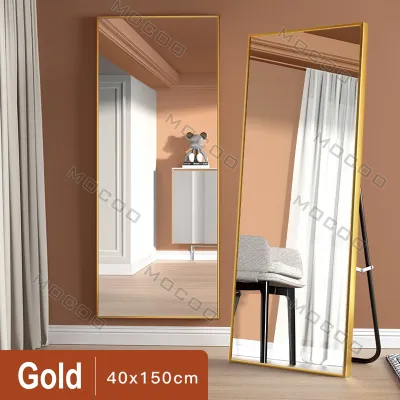
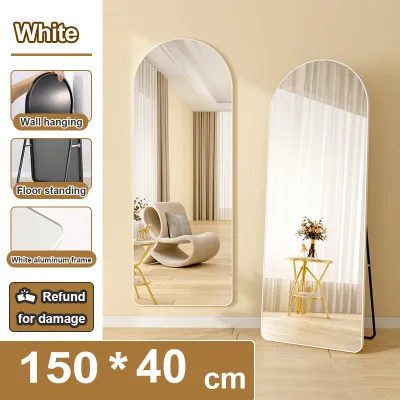
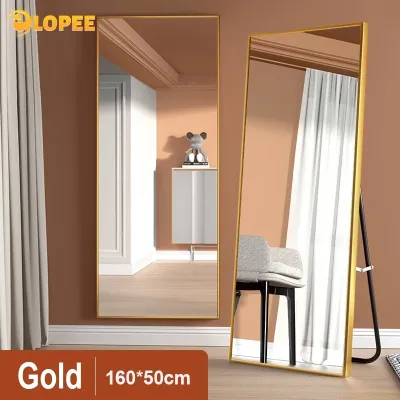
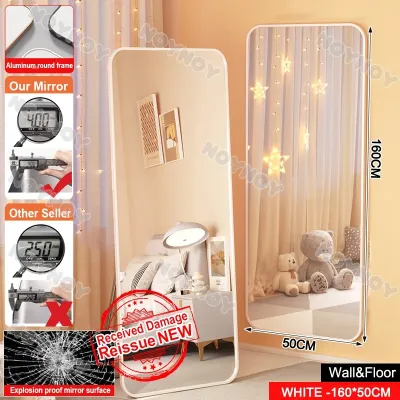

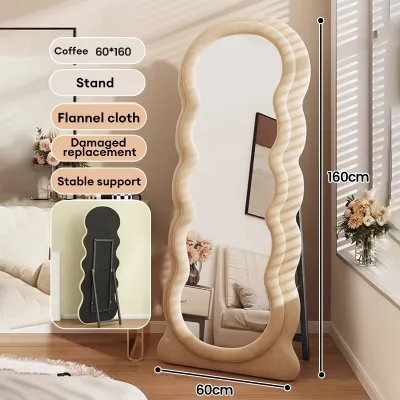
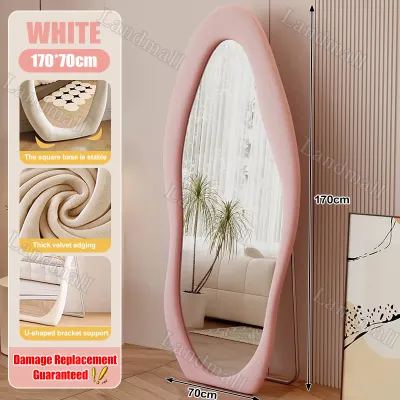
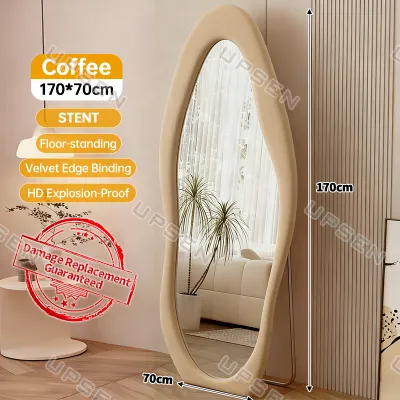
Prices are valid at publication and may change. Please refer to the product page for the latest price.
Next, look at what your mirror will actually reflect. A mirror acts as a visual duplicator, meaning it will double whatever is in its line of sight. Aim to face the mirror toward open pathways, tidy seating areas, or minimalist decor rather than cluttered shelves, storage bins, or utility zones.
Finally, examine the wall structure itself. Many modern apartments and homes feature solid concrete or hollow block walls, while others use drywall partitions. Knowing your wall material is crucial because a heavy full-body mirror requires specific anchors to remain securely in place without damaging the structure.
Best Placement Strategies to Expand Space
Strategic mirror placement is more than just hanging glass on a wall; it is an exercise in manipulating sightlines. By carefully choosing the angle and height, you can trick the eye into perceiving a room that extends far beyond its actual physical boundaries.

Opposite or Adjacent to Windows
Placing your Nordic full-body mirror opposite or adjacent to a window is one of the most effective ways to brighten a small room. This positioning catches incoming daylight and bounces it deep into the interior, making the entire space feel airier and more open.
However, angle is everything. You want to avoid placing the mirror where it will catch direct, blinding midday sun and bounce it directly onto your bed, sofa, or work desk. Instead, position it slightly off-center or at an angle to diffuse the light softly across the room without creating uncomfortable glare.
Behind Furniture or in Narrow Pathways
In tight spaces like narrow entryways, hallways, or small reading nooks, a full-body mirror can break the feeling of confinement. Placing a mirror behind a low console table or a slim bench creates a layered effect that makes the wall seem to recede.
To make this setup work, ensure the reflected view is clean and organized. Reflecting a beautifully arranged corner or a simple piece of art makes the space feel intentionally designed, whereas reflecting a pile of shoes or laundry will only make the entryway feel twice as chaotic.
Corner Placements for Depth
Corners in small rooms often become dead zones that emphasize the rigid, boxy boundaries of the space. Placing a full-body mirror in a corner, angled slightly toward the center of the room, breaks these hard lines and draws the eye along the longest diagonal axis.
To enhance this setup, pair the mirror with a minimalist floor lamp or a small potted indoor plant, such as a snake plant or peace lily. This combination creates a layered, three-dimensional vignette that embodies the functional beauty of Nordic design while adding visual depth.
Choosing the Right Nordic Mirror for Small Spaces
When selecting a mirror, the frame design plays a significant role in how light or heavy it feels in a room. Nordic design emphasizes simplicity, utility, and natural materials. Opting for frameless mirrors or those with ultra-thin frames made of light wood or matte metal keeps the focus entirely on the reflection, preventing the mirror itself from crowding the wall.
Height is another critical factor. A true full-body mirror should be tall enough to capture your entire figure comfortably while still leaving some visual breathing room above and below its frame. If a mirror is too short, it can cut off reflections awkwardly, making the ceiling feel lower than it actually is.
Always verify the physical dimensions of the mirror against your actual wall space before purchasing. In compact apartments, even a few centimeters can make the difference between a clean, intentional placement and a cramped, awkward fit that blocks light switches or door frames.
Safe Installation and Mounting Guidelines
Securing a heavy full-body mirror requires careful planning, especially when dealing with different wall types. For solid concrete or masonry walls common in local homes, you will need a hammer drill, masonry drill bits, and heavy-duty plastic wall plugs paired with sturdy screws. If you are mounting on drywall, use specialized toggle bolts or self-drilling drywall anchors that can support the mirror’s specific weight.
Always refer to the manufacturer’s weight limits and installation instructions. Do not attempt to hang a heavy mirror using adhesive strips or temporary hooks that are not rated for the load, as high tropical humidity can degrade adhesives over time, leading to dangerous falls.
If the mirror is exceptionally heavy, requires complex mounting brackets, or if you are unsure about the structural integrity of your wall, stop and consult a qualified local handyman or professional installer. Taking this step ensures the mirror remains safely anchored, protecting both your household and your investment.
Common Placement Mistakes to Avoid
One of the most frequent mistakes is placing a mirror where it directly reflects high-traffic clutter, such as open wardrobes, kitchen utility areas, or laundry racks. This visual duplication instantly makes a small room feel twice as messy and cramped, defeating the purpose of expanding the space.
Another consideration is avoiding placing the mirror directly facing your bed. For many people, seeing a sudden reflection in the dark or upon waking can cause minor startle responses or disrupt sleep quality. Positioning the mirror to the side of the bed or along an adjacent wall is a much more comfortable choice.
Lastly, avoid mounting the mirror too high or too low. If the mirror is hung too high, it will only reflect the ceiling and the tops of door frames, failing to capture the room’s natural volume and light. Aim to position the center of the mirror at average eye level to keep the reflection natural and balanced.
Frequently Asked Questions (FAQ)
Can I lean a full-body mirror against the wall instead of mounting it?
Yes, leaning a full-body mirror is a popular styling choice that offers a relaxed, contemporary look. However, safety is paramount: you must use anti-tip straps or secure wall anchors at the top of the frame to prevent the mirror from sliding on smooth floors or tipping over. Keep in mind that a leaning mirror tilts upward slightly, which alters the reflection angle and consumes a small amount of valuable floor space compared to a flush, wall-mounted mirror.
Does the shape of the mirror affect how big the room looks?
Yes, the shape of the mirror influences how your eyes perceive the room’s dimensions. Tall, rectangular mirrors emphasize vertical lines, making low ceilings feel higher, while wide rectangular mirrors can stretch a narrow wall horizontally. Arched or round-topped mirrors, which are highly popular in Nordic-inspired interiors, help soften the rigid, boxy lines of small rooms, adding an organic feel while still maximizing light reflection.

Community discussion
Share your experience or ask a question. Comments are reviewed before publication.