
Positioning a Nordic mirror is one of the most effective, non-structural ways to make a compact room feel instantly larger, brighter, and more open. By utilizing clean lines, minimalist frames, and strategic placement, you can manipulate visual perception to trick the eye into seeing depth where there is none. The secret lies not just in hanging a mirror on any available wall, but in understanding how light, angles, and surrounding decor interact with the glass surface. When done correctly, a well-placed mirror does more than reflect your image; it acts as a visual window that dissolves physical boundaries and maximizes the flow of light throughout your living space.
Assess Your Room's Light and Layout
Before mounting hardware or leaning a heavy frame, you must analyze the unique architectural features and lighting patterns of your room. Start by mapping out the positions of your windows and observing how natural light moves across the space from morning to late afternoon. In tropical climates, the angle and intensity of sunlight shift dramatically throughout the day, creating distinct zones of high brightness and deep shadow. Identifying these bright zones allows you to determine exactly where a mirror can capture and redistribute light most effectively.
Next, scan the room for spatial bottlenecks, dark corners, narrow pathways, or blank walls that feel visually heavy. These areas are prime candidates for mirror placement because they tend to absorb light and make a room feel confined. You should also take note of your existing furniture layout. Placing a mirror where it will be partially blocked by a tall bookshelf or a high-backed chair defeats its purpose and can disrupt the physical and visual flow of the room. Ensure there is a clear line of sight to the wall space you select so the reflection can perform its spatial magic unimpeded.
Products mentioned in this guide
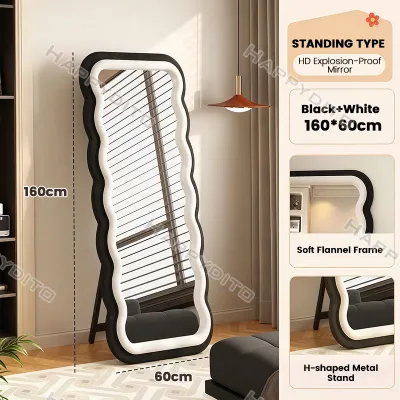
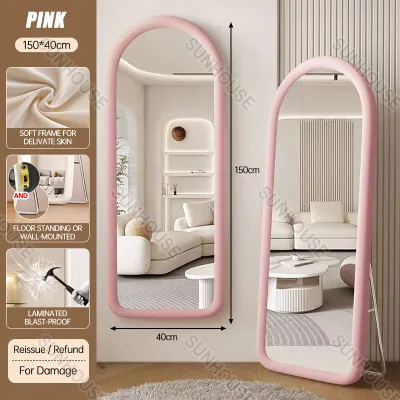
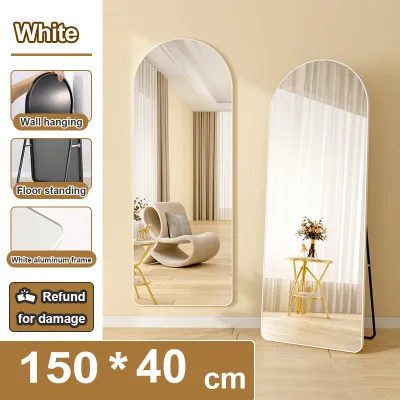
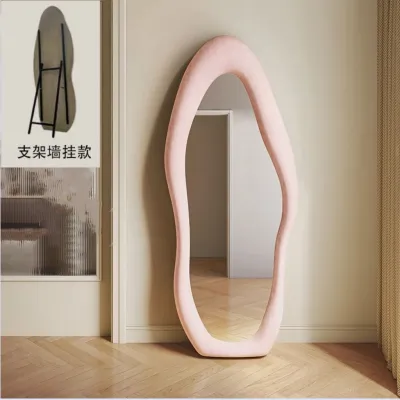
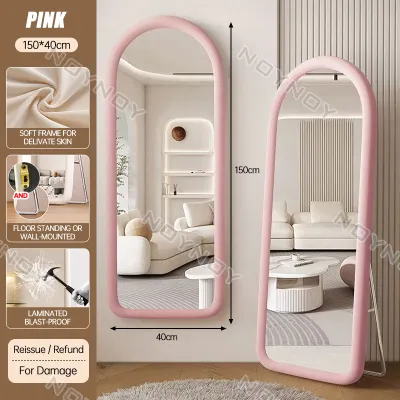
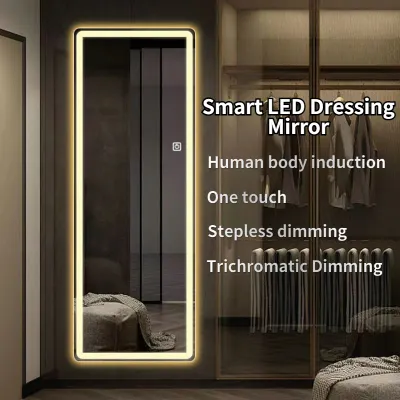
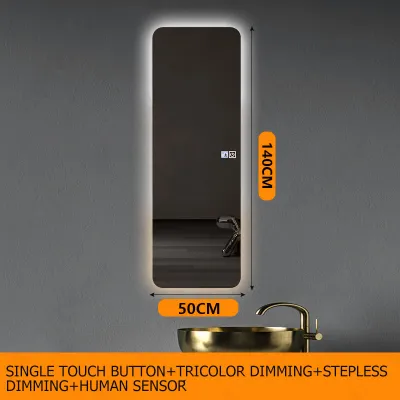
Prices are valid at publication and may change. Please refer to the product page for the latest price.
Select the Right Nordic Mirror Profile
The design philosophy of Nordic decor centers on simplicity, functionality, and a deep connection to natural elements. When selecting a mirror, look for frame materials that embody this aesthetic, such as light oak, ash, or thin, matte-finished metals. These materials keep the visual weight of the mirror exceptionally light, preventing the frame itself from cluttering a small room. A thick, ornate, or dark frame can crowd a compact wall, whereas a minimalist Nordic profile blends seamlessly into the background, allowing the reflection to take center stage.

Scale is another critical factor that dictates how the mirror will function in your space. For floor placement, an oversized rectangular or arched mirror works beautifully to create a dramatic focal point that expands the room vertically. If you prefer wall mounting, medium-sized geometric shapes—such as perfect circles, soft ovals, or clean hexagons—offer a modern touch without overwhelming the wall. Always check the manufacturer’s specifications for the mirror’s weight and thickness before making a purchase. This step is vital to ensure your walls can safely support the load and that you select the correct mounting hardware for your specific wall type.
Core Placement Strategies to Expand Visual Space
To successfully expand a small room, you must understand how reflection alters spatial perception. A mirror essentially acts as a visual duplicate of the space in front of it, tricking the brain into perceiving double the actual depth. By strategically positioning the glass, you can direct the eye away from tight boundaries and toward open, light-filled areas. The following targeted placement scenarios demonstrate how to apply these principles to different layouts.
Bounce Natural Light from Windows
To maximize brightness, position your Nordic mirror on a wall that is adjacent or perpendicular to a primary window. This angle allows the mirror to catch incoming sunlight and bounce it deep into the darker recesses of the room, instantly elevating the overall ambiance. The reflected light softens shadows and makes the entire space feel more cheerful and expansive.
However, you should generally avoid placing a large mirror directly opposite a window, especially in regions with intense, direct tropical sunlight. Direct opposition can create harsh, blinding glare at certain times of the day, making the room uncomfortable to sit in. Additionally, intense direct light can wash out the colors of your indoor decor and highlight dust or smudges on the glass. Instead, aim to capture the light at an angle, or use the mirror to reflect a pleasant outdoor view, such as garden greenery or a clear sky, which effectively brings the outdoors inside.
Open Up Narrow Hallways and Corners
Narrow hallways and tight entryways often feel restrictive due to their close, parallel walls. You can counteract this tunnel effect by positioning a tall, narrow mirror at the far end of a short hallway. This placement visually extends the corridor, creating the illusion of a continuous pathway. If the hallway is exceptionally long, placing a series of smaller, minimalist mirrors along one side can break up the monotony of the wall and make the passage feel wider.
For awkward, dark corners in living rooms or bedrooms, a round or arched Nordic mirror works wonders. The soft, curved lines of these shapes contrast beautifully with the sharp, right angles of the walls, instantly softening the transition between surfaces. When positioning a mirror in these tight spots, always check what will be reflected. Ensure the glass reflects an open pathway, a beautiful light fixture, or a minimalist decor setup rather than a cluttered utility area or a blank, unappealing wall.
Anchor the Room with a Large Floor Mirror
An oversized floor mirror leaning gracefully against a main wall is a staple of modern Nordic design. This arrangement introduces a relaxed, casual elegance while serving as a powerful tool for spatial expansion. Because a leaning mirror sits at a slight upward angle, it naturally draws the eye upward toward the ceiling. This vertical emphasis is particularly beneficial in rooms with low ceilings, as it creates a sense of loftiness and grander scale.
To integrate a floor mirror seamlessly, try positioning it behind a low-profile sofa or adjacent to a sleek, minimalist console table. This layering technique creates a sense of depth, making the furniture appear as though it is floating in a much larger space. When setting up a leaning mirror, ensure the angle is stable and that the top of the frame is secured to prevent slipping. The slight tilt should be calculated to reflect the upper portion of the room, capturing light fixtures or clean ceiling lines rather than just the floor.
Optimize Height, Angles, and Alignment
Fine-tuning the physical orientation of your mirror is essential to avoid visual distortion and ensure a cohesive look. For wall-mounted mirrors, the general rule of thumb is to position the center of the glass at eye level, which is typically around 150 centimeters from the floor. If you are hanging the mirror above a piece of furniture, such as a console table or a dresser, maintain a gap of 15 to 20 centimeters between the bottom of the frame and the top of the furniture to allow both elements to breathe.
For leaning floor mirrors, the tilt angle requires careful adjustment. A tilt that is too steep will reflect mostly the ceiling, which can feel disorienting, while a mirror that is too upright may not capture enough light. A gentle tilt of approximately 3 to 5 degrees is usually ideal for balancing vertical reflection with a natural view of the room. Additionally, align the edges or center of your mirror with existing architectural lines, such as door frames, window casings, or the centerline of major furniture pieces. This alignment creates a sense of order and structural harmony, making the mirror feel like an intentional, built-in feature of the architecture.
Avoid Common Visual and Spatial Mistakes
While mirrors are excellent tools for expanding space, poor placement can easily backfire. One of the most common mistakes is positioning a mirror where it reflects a cluttered area, a busy bookshelf, or a wall covered in chaotic patterns. Because mirrors double whatever is in their line of sight, reflecting clutter will simply double the visual noise, making your small room feel twice as messy and cramped.
Another mistake to avoid is hanging a mirror directly opposite the main entrance of a room or home. Walking into a space and immediately seeing your own reflection can be jarring and disruptive to the natural flow of entry. Instead, offset the mirror slightly to the side so it welcomes guests by reflecting the open living area. Finally, ensure the mirror’s frame does not clash with your existing decor. A heavy, ornate frame in a room filled with clean, Nordic furniture will create visual friction. Stick to simple, unadorned frames that support the minimalist aesthetic.
Safe Installation and Mounting Guidelines
Safety should always be your top priority when installing mirrors, particularly large or heavy Nordic designs. Before drilling, you must identify your wall type. In many homes, especially in the Philippines, walls are constructed from solid concrete or concrete hollow blocks, which require a masonry drill bit and heavy-duty plastic or metal expansion anchors. If you are working with drywall, you must use a stud finder to locate wooden studs for mounting, or utilize high-quality toggle bolts rated for the specific weight of your mirror. Never rely on simple nails or adhesive strips for heavy glass.
For leaning floor mirrors, even if they are designed to rest on the floor, you must use anti-tip straps or specialized wall brackets. These safety devices anchor the top of the frame to the wall, preventing the mirror from tipping forward if it is accidentally bumped by pets, children, or during routine cleaning. If you are dealing with an exceptionally heavy oversized mirror, working at a significant height, or if you are uncertain about the structural integrity of your walls, stop immediately and consult a qualified professional installer to ensure a secure and hazard-free setup.
Frequently Asked Questions (FAQ)
Can I place a Nordic mirror in a bathroom or high-humidity area?
Before installing a decorative Nordic mirror in a bathroom or any high-humidity environment, you must check the manufacturer’s specifications to verify if it is rated for moisture resistance. Standard wood frames, particularly untreated oak or ash, can warp, swell, or develop mold when exposed to persistent steam and humidity. Similarly, non-treated metal frames may tarnish or rust over time. High humidity can also damage the silver backing of a standard mirror, leading to unsightly black edges known as desilvering. If you do use a mirror in a damp area, ensure the room has excellent ventilation, and stop using the mirror if you notice any frame warping or backing degradation.
How do I clean a large Nordic mirror without streaking?
To maintain the crystal-clear reflection necessary for expanding your space, clean your mirror using a soft, lint-free microfiber cloth and a gentle, non-abrasive glass cleaner. Avoid spraying the cleaning solution directly onto the glass surface, as the liquid can run down and seep behind the frame, potentially damaging the delicate silver backing or warping a wooden frame. Instead, spray a small amount of cleaner directly onto the microfiber cloth. Wipe the glass in a consistent, overlapping zigzag or circular motion, working from the top of the mirror down to the bottom to prevent streaks and water spots.

Community discussion
Share your experience or ask a question. Comments are reviewed before publication.