
Customizing your condo’s lighting is one of the most effective ways to make a leased or owned space feel uniquely yours. In the Philippines, where urban condo living often means working with compact layouts and concrete walls, custom LED letter signs have emerged as a highly popular design choice. These signs allow you to inject personality into your living room, bedroom, or home office, serving as both a focal point and a source of soft, ambient illumination. Selecting the right sign requires balancing your personal aesthetic with practical considerations like heat output, power safety, and mounting restrictions.
To find the ideal custom LED letter sign for your space, you must evaluate the underlying lighting technology, design elements, and installation requirements. Because condo units often feature open-plan layouts, the sign you choose must harmonize with your existing light sources without causing uncomfortable glare. By understanding how different materials behave in tropical climates and how to safely mount and power your sign, you can create a stunning visual statement that enhances your home’s atmosphere for years to come.
Comparing LED Letter Technologies for Condo Aesthetics
When shopping for custom LED letters, you will primarily encounter three distinct technologies: flexible LED neon, acrylic backlit letters, and marquee-style bulbs. Each technology offers a different visual texture, light distribution pattern, and spatial footprint, making them suitable for different design goals and wall sizes.
Products mentioned in this guide
Prices are valid at publication and may change. Please refer to the product page for the latest price.
Flexible LED neon is the most common choice for modern, minimalist, or vibrant retro aesthetics. This technology uses flexible silicone or PVC tubing packed with closely spaced light-emitting diodes, creating a continuous, seamless line of light that mimics traditional glass neon. Because the tubing is highly pliable, it is excellent for cursive fonts, intricate logos, and script letters. In a typical condo living room, flexible LED neon provides a bright, direct glow that can serve as a primary accent light, though it is important to choose a model with a built-in dimmer to prevent eye strain in smaller rooms.
Acrylic backlit letters, often referred to as halo-lit letters, offer a more understated and sophisticated look. In this setup, individual letters are cut from solid acrylic or metal, and the LEDs are mounted on the back, facing the wall. When illuminated, the light reflects off the wall surface, creating a soft, diffused halo effect around each letter. This technology is highly recommended for bedrooms or cozy reading nooks where direct glare would be disruptive. Because the light is reflected rather than direct, backlit letters are incredibly forgiving on small walls and help make tight spaces feel deeper and more atmospheric.
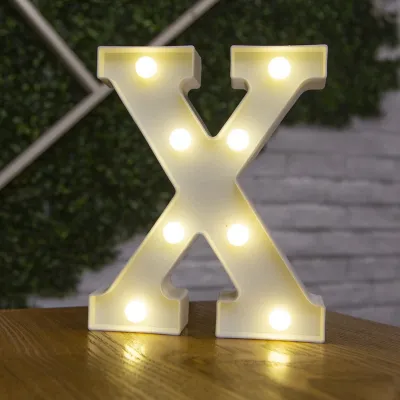
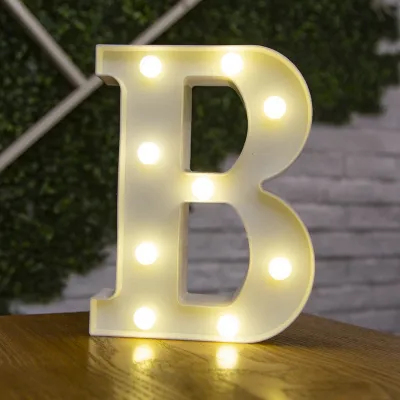
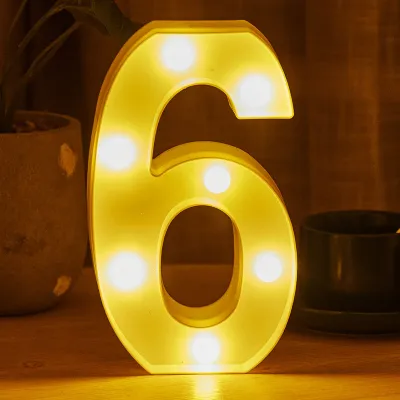
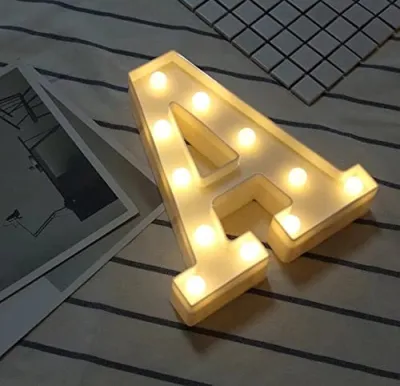
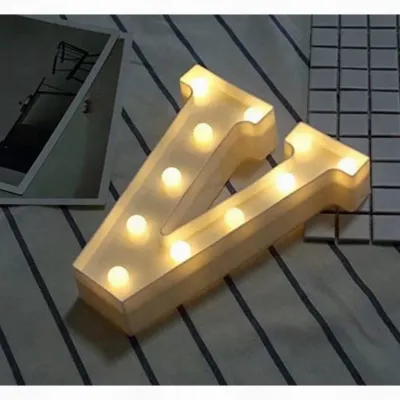
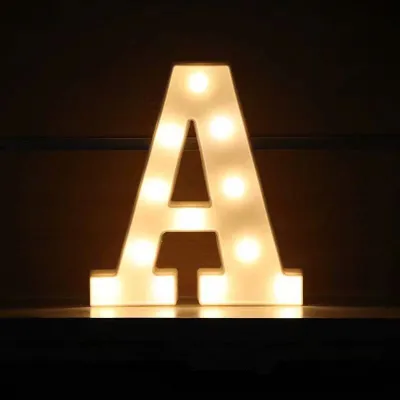
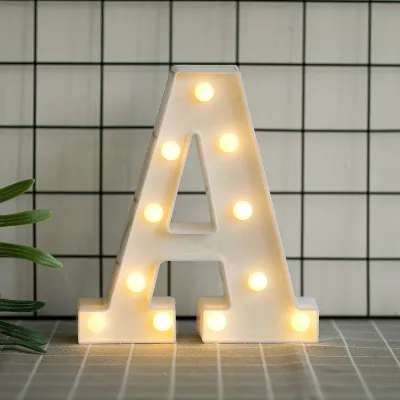
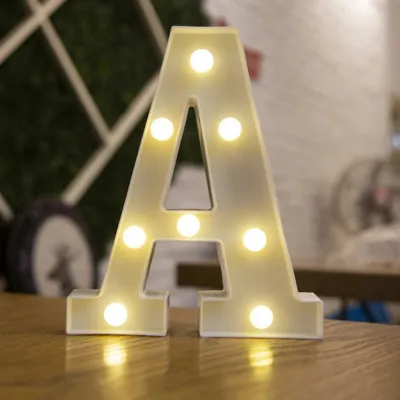
Marquee-style letters feature exposed or capped LED bulbs set into three-dimensional metal or wooden letter channels. This style delivers a vintage, industrial, or theatrical vibe that works exceptionally well on large, bare walls or as a statement piece on a sturdy shelf. However, marquee letters have a much larger physical footprint and can project significant heat if left on for extended periods. In enclosed condo spaces, especially during the hot and humid summer months in the Philippines, managing the heat emission and physical bulk of your lighting is crucial. Flexible LED neon and acrylic backlit options generally run much cooler and consume less space, making them the preferred choices for compact urban dwellings.
Designing Your Custom LED Sign: Fonts, Colors, and Backing
Designing a custom LED sign is a highly creative process, but it requires careful planning to ensure the final product complements your condo’s interior design. The first step is selecting a font and size that match your room’s scale. Script and cursive fonts look elegant in flexible LED neon, but they can become difficult to read if the letters are too small or packed too closely together. For block letters or short, punchy quotes, sans-serif fonts offer excellent legibility from across the room. Measure your wall space carefully before ordering, keeping in mind that a sign should ideally occupy no more than two-thirds of the width of the furniture piece it hangs above.

Color selection plays a vital role in establishing the mood of your space. Warm white, cool white, and pastel tones like peach or soft pink are highly versatile and blend seamlessly with Scandinavian, industrial, or modern tropical interior styles. If you prefer a more dramatic, high-energy look, vibrant colors like electric blue, magenta, or green can make a bold statement, but they may clash with your existing ambient lighting. To maintain a cohesive look, consider how the sign’s color interacts with your main ceiling lights and floor lamps. Opting for a multi-color RGB controller allows you to adjust the hue and brightness to match different times of day or occasions.
The backing material of your custom sign significantly influences its visual impact and ease of installation. Most custom makers offer clear acrylic backing, which can be cut to the shape of the letters or left as a solid rectangular board. Clear acrylic is highly recommended for painted drywall or textured concrete walls, as it allows the wall’s natural color and texture to show through, making the sign appear to float. If you want a more industrial or structured look, a black acrylic or metal grid backing can provide excellent contrast, especially against light-colored walls. For a completely minimalist aesthetic, some high-end manufacturers offer backingless options where the letters are mounted individually, though this requires more complex wiring and installation.
Electrical Safety and Wall Mounting for Condos in the Philippines
Before hanging your custom LED sign, you must address the electrical and structural realities of your condo. In the Philippines, the standard residential voltage is 220V at 60Hz. Most custom LED signs operate on low-voltage direct current (usually 12V or 24V) to ensure safety and energy efficiency. This means your sign must connect to a compatible power adapter or transformer that steps down the 220V mains voltage. When purchasing a sign, verify that the included power adapter is rated for 220V input and carries recognized safety certifications, such as the Philippine Standard mark, Import Commodity Clearance sticker, or reputable international equivalents like UL or CE.
Mounting your sign securely requires identifying your wall type. Many condos in the Philippines feature solid concrete or hollow block walls, which provide excellent structural support but require drilling and masonry anchors for heavy signs. If you are renting your condo or want to avoid drilling holes into concrete, lightweight flexible LED neon signs on thin acrylic backing can often be mounted using heavy-duty, damage-free adhesive strips. However, you must ensure the wall surface is thoroughly cleaned with rubbing alcohol and completely dry before application, as tropical humidity can weaken adhesives over time. For heavier signs, such as large marquee letters or metal-backed designs, drilling and using proper wall plugs is the only safe way to prevent the sign from falling.
Wiring is another critical safety consideration. Most custom signs come with a standard plug-in adapter, which is simple to install and requires no electrical modifications. If you prefer a seamless, high-end look without visible wires, you might consider hardwiring the sign directly into your condo’s electrical system. Hardwiring must always be performed by a licensed electrician, especially in high-rise buildings where strict building codes and association rules apply. Always isolate the power supply at the circuit breaker before attempting any electrical work or installation near existing wiring.
Vetting Custom Makers and Managing Your Order
With the rise of online marketplaces and local boutique workshops, finding a custom LED sign maker in the Philippines is easier than ever. However, the quality of materials and craftsmanship can vary widely. When vetting potential sellers on ecommerce platforms or social media, look for detailed product listings that clearly state the materials used. High-quality signs use food-grade silicone tubing for LED neon, which resists yellowing and cracking under tropical sun exposure, whereas cheaper alternatives often use low-grade PVC that degrades quickly.
Before placing your order, request a digital design proof from the maker. This proof should show the exact dimensions, font style, backing shape, and wire exit points. Clearly communicate your preferred color temperature; if you want a cozy, inviting glow, specify warm white (typically 2700K to 3000K) rather than a harsh, sterile cool white. Additionally, ask about the warranty terms. Reputable makers usually offer a warranty of at least six months to one year on the LED strips and power adapters, protecting you against premature component failure.
Budgeting for a custom LED sign depends on the complexity of your design and the overall size. In the Philippine market, a small, simple custom name sign might start around ₱1,500, while larger, multi-word quotes with complex backings can range from ₱5,000 to ₱12,000 or more. Be sure to factor in shipping costs, as large acrylic backings require specialized, fragile-item packaging to prevent cracking during transit. Because custom-made items are tailored specifically to your specifications, most sellers do not accept returns or exchanges unless the product arrives damaged or fails to match the approved design proof. Always document the unboxing process with a video to facilitate any necessary transit-damage claims.
Cleaning and Maintaining Your LED Letter Sign
Proper maintenance is essential to keep your custom LED sign looking vibrant and functioning safely. Over time, dust and airborne oils from cooking can accumulate on the acrylic backing and silicone tubing, dimming the light output. To clean your sign, always unplug it from the wall outlet first to eliminate any risk of electrical shock. Use a soft, dry microfiber cloth to gently wipe away dust. For stubborn smudges on acrylic backing, use a slightly damp microfiber cloth with a tiny drop of mild dish soap, but avoid using harsh chemical cleaners, alcohol, or abrasive pads, which can permanently scratch or cloud the acrylic surface.
Regularly inspect your sign’s electrical components for signs of wear or degradation. In humid tropical environments, copper wiring and connection points can occasionally experience oxidation. Look out for warning signs such as flickering lights, a buzzing sound coming from the power adapter, or wires that feel unusually warm to the touch. If you notice any of these issues, discontinue use immediately and contact the manufacturer or a qualified professional to inspect or replace the faulty adapter.
If you need to relocate your sign, pack it with extreme care. Acrylic backings are highly susceptible to cracking if bent or subjected to sudden impacts. Wrap the entire sign in several layers of bubble wrap, paying extra attention to the corners and any protruding letters. Store the sign in a cool, dry place away from direct sunlight, and avoid stacking heavy objects on top of it, which could crush the delicate LED tubing or damage the internal circuitry.
Frequently Asked Questions (FAQ)
Can I use LED letter signs in high-humidity areas like bathrooms?
Standard indoor LED letter signs are not designed to withstand high-humidity environments. The moisture and steam in a bathroom can easily penetrate non-waterproof silicone tubing and cause short circuits or corrosion in the wiring. If you wish to install a sign in a bathroom, you must specifically request an IP-rated waterproof sign (such as IP65 or higher) from your manufacturer and ensure all electrical connections and adapters are safely housed outside the wet zone.
Do custom LED signs consume a lot of electricity if left on all night?
Custom LED signs are highly energy-efficient compared to traditional glass neon or incandescent bulbs. Because they utilize low-wattage LED technology, running a medium-sized sign for several hours a day has a minimal impact on your monthly electricity bill. To manage your energy consumption effortlessly, consider plugging your sign into a smart plug or a mechanical timer, allowing you to schedule the sign to turn off automatically when you go to sleep.
How do I hide the power cord for a clean aesthetic?
Achieving a clean, wire-free look is a common challenge in condo decorating. You can easily conceal the power cord by using paintable plastic cord covers that blend into your wall color, or by routing the cable behind nearby furniture, shelves, or tapestries. If you are renting and cannot modify the walls, running the cord along the corners of the wall using clear cable clips keeps it neat and unobtrusive. Never run power cords behind drywall or inside concrete walls without a proper protective conduit and professional electrical installation.

Community discussion
Share your experience or ask a question. Comments are reviewed before publication.