
Selecting the right KKSKY lights to transform your condo balcony into a warm, cozy retreat requires balancing aesthetic appeal with the practical realities of outdoor condo living. To achieve that inviting, soft glow, you must look beyond simple design and carefully evaluate your balcony’s physical layout, exposure to tropical weather, and building regulations. By focusing on key technical specifications—such as moisture resistance, color temperature, and secure mounting options—you can create a relaxing outdoor sanctuary that is both safe and durable.
Assessing Your Condo Balcony Constraints
Before purchasing any KKSKY lighting fixtures, you must thoroughly evaluate the physical characteristics and rules governing your specific balcony space. Condo balconies in urban areas vary widely in size, exposure, and structural design, meaning a lighting setup that works for a spacious, covered veranda may not be suitable for a narrow, open-air Juliet balcony.
Begin by measuring the available space and identifying potential mounting surfaces. Take note of structural elements such as metal railings, concrete walls, and ceiling overhangs, as these will dictate where and how you can position your lights. If you plan to hang string lights or mount fixtures along the perimeter, measure the linear distance of your railings and the height of your ceiling to ensure you select products with appropriate dimensions that fit without sagging excessively.
Products mentioned in this guide
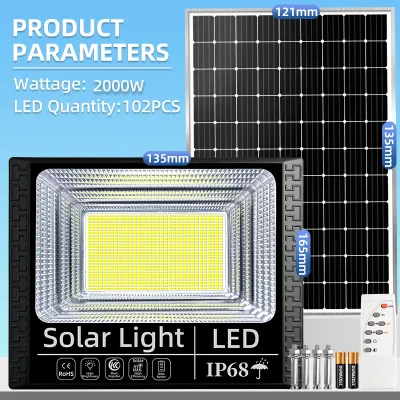
Prices are valid at publication and may change. Please refer to the product page for the latest price.
Next, locate your power sources. Check if your balcony features a dedicated, weatherproof outdoor electrical outlet. If an outdoor outlet is unavailable, you will need to plan for alternative power methods, such as solar-powered fixtures or battery-operated units. For those considering solar options, observe how much direct sunlight your balcony receives throughout the day, as high-rise buildings often cast long shadows that can limit solar charging efficiency.
Finally, review your condominium association’s guidelines regarding exterior modifications. Many condo corporations enforce strict rules to maintain building aesthetics and structural integrity. These regulations often prohibit drilling into exterior concrete walls, painting structural elements, or hanging items that are highly visible from the street. Understanding these limitations beforehand prevents costly compliance issues and guides you toward non-destructive installation methods.
Key Specifications to Check on KKSKY Packaging
When browsing KKSKY lighting options on online marketplaces or in local retail stores, reading the technical specifications on the product packaging is essential for ensuring safety and longevity. Because balcony lights are exposed to outdoor elements, standard indoor fixtures should never be used.

The first and most critical specification to verify is the Ingress Protection (IP) rating. This rating consists of two numbers: the first indicates protection against solid particles like dust, while the second indicates protection against liquids. For a covered balcony that only experiences occasional wind-blown moisture, a minimum rating of IP44 is generally sufficient. However, if your balcony is fully open to the elements and experiences heavy tropical downpours, look for fixtures rated IP65 or higher, which indicates protection against water jets and heavy rain.
Color temperature is another vital specification that directly influences the mood of your balcony. Measured in Kelvin (K), color temperature determines whether a light appears warm and cozy or cool and clinical. To create a relaxing, intimate atmosphere, look for KKSKY packaging that specifies a warm white color temperature, typically between 2700K and 3000K. Avoid cool white or daylight bulbs (4000K to 6500K) for ambient relaxation, as these can feel harsh and disrupt your evening wind-down routine.
Power compatibility and configuration must also be verified on the label. If you are opting for plug-in models, check the cord length to ensure it can comfortably reach your outlet without tension. Verify that the plug type matches your outlets and that the voltage rating is compatible with the local standard. For battery-operated or rechargeable KKSKY units, check the manufacturer’s stated runtime per charge and the battery capacity to ensure the lights can remain illuminated for your typical evening use without constant recharging.
Lastly, check the manufacturer’s stated operating temperature and material specifications. In tropical climates characterized by high humidity and intense daytime heat, materials can degrade rapidly. Look for UV-resistant plastics, heavy-duty rubberized cables, and corrosion-resistant metals on the product label to ensure the fixtures can withstand local environmental conditions without cracking, fading, or rusting over time.
Matching KKSKY Light Styles to Your Balcony Layout
Achieving a balanced and cozy lighting scheme involves layering different types of light to eliminate harsh shadows and create depth. By matching specific KKSKY light styles to the unique layout of your balcony, you can maximize both functionality and visual appeal.
Overhead and Railing Ambient Lighting
Overhead and railing lights serve as the primary source of ambient illumination, casting a soft, even glow across the entire balcony area. String lights, hanging pendants, and clip-on fixtures are popular choices for this layer, but they require careful planning to install safely.
Before hanging any overhead fixtures, check the weight limits of your mounting points, such as railing clips, tension wires, or adhesive hooks. Heavy glass bulbs can put significant structural strain on temporary mounts, especially during windy conditions. Opting for lightweight, shatterproof materials can reduce this risk and prevent dangerous breakage if a fixture accidentally falls.
Cord management is another critical factor when installing overhead or railing lights. Plan your cable routes carefully to ensure that all wires are kept away from high-traffic walking paths and sliding door tracks. Loose cords not only present a tripping hazard but can also become damaged if they are repeatedly pinched in doors or stepped on. Use secure, outdoor-rated clips to keep cables flush against walls or railings.
Wind resistance must also be evaluated, particularly for high-rise condo balconies where wind speeds can be significantly higher than at ground level. Ensure that string lights are tightly secured at multiple points rather than left to swing freely. Loose bulbs can repeatedly strike concrete walls or metal railings during a gust, leading to cracked housings or broken filaments.
Floor and Table Accent Fixtures
Floor and table accent fixtures add depth to your balcony by highlighting specific zones, such as cozy seating areas, potted plant corners, or small side tables. These low-profile lights help create a warm, grounded atmosphere that makes the space feel more like an outdoor living room.
When selecting floor lamps or taller pedestal lights, assess the stability of the base. Balconies can experience sudden gusts of wind, and top-heavy fixtures are prone to tipping over. Look for models with weighted bases or low centers of gravity, or place them in sheltered corners behind heavy planters to shield them from the wind.
For table lanterns and smaller decorative pieces, measure the footprint of the fixture before purchasing. Condo balconies often have limited surface areas, and an oversized lantern can quickly overcrowd a small coffee table or bistro set. Choose compact, space-saving designs that leave plenty of room for drinks, books, or small plates.
If you select battery-operated or USB-rechargeable KKSKY accent pieces, review the expected runtime and charging requirements. Portable lanterns offer excellent flexibility since they do not require proximity to an outlet, but they do require a routine charging schedule. Ensure the charging port is easily accessible and protected by a secure rubber seal to prevent moisture ingress when the light is in use outdoors.
Safe Installation and Weatherproofing Practices
Proper installation and regular maintenance are essential for keeping your balcony lighting safe and functional throughout the year. Because condo balconies are exposed to changing weather conditions, taking a proactive approach to safety protects both your investment and your building’s exterior.
When drilling into walls or railings is prohibited by your condo association, utilize non-damaging mounting methods. Outdoor-rated adhesive hooks, heavy-duty suction cups for glass surfaces, and UV-resistant zip ties are excellent alternatives. When using adhesive hooks, clean the mounting surface thoroughly with rubbing alcohol and allow it to dry completely before applying the adhesive to ensure a strong, long-lasting bond that can withstand humidity.
Cable routing must be handled with extreme care to prevent electrical hazards. Ensure that all electrical connection points, such as the junction between two string lights or an extension cord plug, are elevated off the balcony floor. Water can easily pool on concrete balcony surfaces during heavy rains, and keeping connections elevated prevents short circuits. Use weatherproof connection boxes or wrap plugs in outdoor-rated silicone safety covers for added protection.
Additionally, implement a drip loop for any cables running from the outdoors toward an outlet or connection point. A drip loop is a simple loop in the cord that hangs lower than the outlet, forcing water to drip off the bottom of the curve rather than traveling along the wire directly into the electrical source.
Establish a routine for maintaining your lighting fixtures. Periodically wipe down the bulbs and housings with a damp cloth to remove dust, salt residue, and dirt, which can dim the light output over time. During severe weather warnings or typhoon season, make it a habit to unplug all fixtures and bring delicate or lightweight components indoors. This prevents wind damage and extends the lifespan of your lights.
Finally, learn to identify clear stopping conditions that indicate a fixture is no longer safe to use. Regularly inspect your KKSKY lights for signs of wear, such as frayed or exposed wires, cracked plastic housings, water accumulation inside the bulb cover, or loose plug prongs. If you observe any of these issues, immediately disconnect the power source and replace the damaged component. Never attempt to patch damaged outdoor wiring with standard electrical tape, as this does not provide a reliable waterproof seal.
Frequently Asked Questions (FAQ)
Can I leave KKSKY string lights outside during heavy rain?
Whether you can leave your lights outside during heavy rain depends entirely on the IP rating specified on the product packaging. For continuous outdoor exposure to direct rainfall, the fixtures should have a minimum rating of IP44, though IP65 is highly recommended for areas prone to severe tropical storms. Water-resistant fixtures (such as those rated IP44) can handle light splashes and wind-blown moisture, but they are not fully waterproof and should not be subjected to prolonged downpours or standing water. During extreme weather events, typhoons, or periods of continuous heavy rain, it is always safest to temporarily unplug the lights and store them indoors to prevent water damage and electrical hazards.
How do I power balcony lights if there are no outdoor outlets?
If your balcony lacks a dedicated outdoor outlet, you can utilize solar-powered or battery-operated KKSKY lighting options. Solar-powered lights are highly convenient but require your balcony to receive several hours of direct sunlight daily to charge effectively; they may not perform as well on north-facing or deeply recessed balconies. Battery-operated or USB-rechargeable fixtures offer reliable performance regardless of sunlight, though they require periodic recharging. If you must run an indoor extension cord to the balcony, do so only temporarily while the lights are in use. Ensure the cord is rated for outdoor use, and avoid pinching the cable in sliding doors or windows, as compressing the wire can damage the internal insulation and create a serious fire hazard.

Community discussion
Share your experience or ask a question. Comments are reviewed before publication.