
Finding the perfect size of LED curtain lights for your condo windows requires balancing physical dimensions with visual density and safety clearances. To achieve a polished look, the horizontal main wire of your curtain lights should match the width of your window frame or curtain rod, while the vertical drop length should hang at least 10 to 15 centimeters clear of the floor, window sill, or any nearby climate control appliances. Taking these precise measurements prevents a cluttered appearance and protects your lighting investment from physical wear.
In modern high-rise residences, windows serve as the primary focal point for ambient lighting, especially during festive seasons like Christmas. However, the unique architectural features of condos—such as concrete walls, sliding glass doors, and compact layouts—require a thoughtful approach to installation. By selecting the correct dimensions, you can transform your living space into a warm, inviting sanctuary without compromising on safety or functionality.
How to Measure Your Condo Windows and Walls for Curtain Lights
Before browsing online marketplaces or local home improvement stores, you must establish the exact physical boundaries of your installation area. Start by measuring the horizontal width of your window frame from the outer left edge to the outer right edge. If you plan to hang the lights directly from an existing curtain rod, measure the functional length of the rod itself, excluding the decorative finials at the ends. This measurement determines the maximum width of the main horizontal wire of your curtain lights.
Products mentioned in this guide
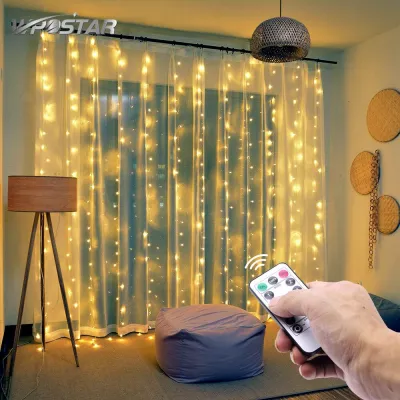
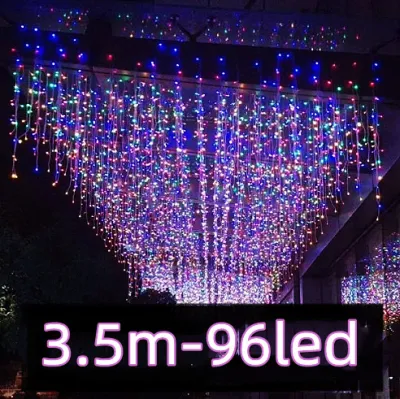
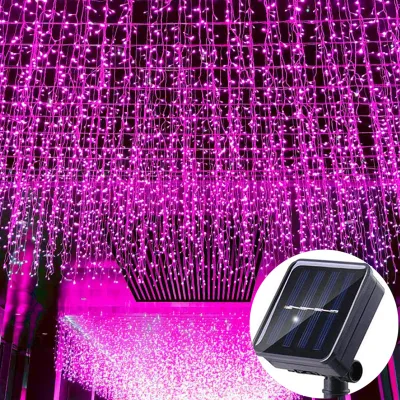
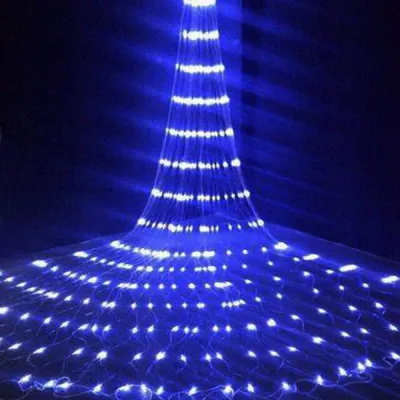
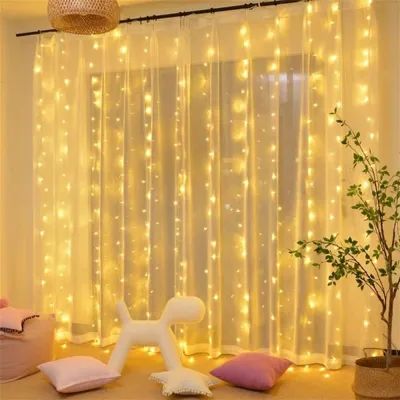
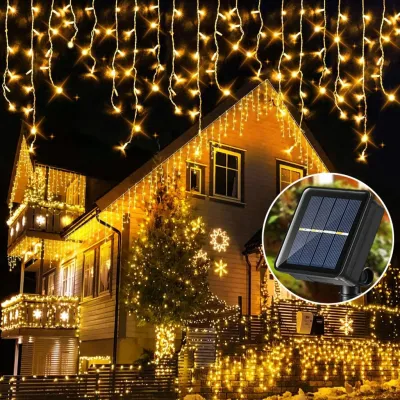
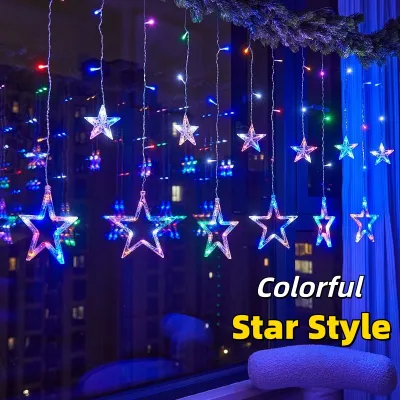
Prices are valid at publication and may change. Please refer to the product page for the latest price.
Next, determine the safe vertical drop length by measuring from your planned mounting point down to the lowest point you want the lights to reach. If your window has a deep sill, you may want the lights to pool slightly above it or stop just short of the surface. For floor-to-ceiling glass, measure from the ceiling or top trim down to the floor, then subtract 10 to 15 centimeters to prevent the delicate vertical strings from dragging, tangling, or gathering dust.
It is equally important to account for existing window treatments during this process. Observe how your roller blinds, heavy drapes, or sliding tracks operate. Your curtain lights must be positioned far enough forward or backward to avoid getting caught in these mechanisms. If you live in a tropical climate where heavy rains cause condensation on the interior glass, plan to mount the lights a few centimeters away from the window pane to prevent moisture from contacting the electrical components.
Understanding LED Curtain Light Dimensions and Density
When reading product specifications, it is easy to confuse total width with drop length. The total width refers to the length of the main horizontal wire that hosts the control box and the starting points of the vertical strands. The drop length refers to the vertical measurement of the hanging light strings. Standard retail sizes often come in dimensions like 3×3 meters or 2×2 meters, but custom lengths are also widely available to suit smaller spaces.

Visual density is determined by the spacing between the vertical drops and the total number of LEDs on each strand. A curtain light set with vertical strands spaced 10 centimeters apart will look significantly richer and more continuous than a set with 30-centimeter spacing. If you prefer a soft, starry glow, a lower density is ideal; if you want a vibrant, solid wall of light, look for products with closely spaced drops and a higher overall LED count.
Always check the manufacturer labels and product descriptions for recommended coverage areas rather than relying solely on the physical dimensions of the wire. Some packages will explicitly state the ideal window width the set is designed to cover. If your window falls between standard sizes, it is generally safer to choose a slightly narrower set or plan to gather the excess horizontal wire neatly at the ends rather than letting the vertical strands bunch up awkwardly.
Matching Light Sizes to Common Condo Window Types
Standard sliding or casement windows require a drop length that stops safely above the window sill. This clearance is crucial because opening and closing the window for ventilation can easily pinch, stretch, or sever the delicate copper wires. A gap of at least 5 to 10 centimeters above the sill ensures the lights remain undisturbed during daily window operation.
Floor-to-ceiling windows and sliding balcony doors demand careful management of longer drop lengths, which typically range from 2 to 3 meters. Because these areas experience high foot traffic, the bottom of the light strings must remain completely clear of the floor. This prevents family members or pets from tripping over the wires and protects the lights from being damaged by sweeping balcony doors or vacuum cleaners.
For narrow or transom windows, standard curtain lights are often too wide and bulky. In these compact spaces, using a full-sized curtain light set can overwhelm the glass and block natural light during the day. Instead, consider using shorter, narrower specialty curtain lights, or adapt standard fairy string lights by hanging them in a clean, vertical zigzag pattern using small adhesive clips to mimic the curtain effect on a smaller scale.
Installation Clearances and Condo-Specific Constraints
Condo living introduces specific physical constraints that dictate where and how you can install decorative lighting. First, maintain a safe distance from air conditioning units, ventilation grilles, and any heat-generating appliances. Continuous exposure to direct, warm airflow from an AC exhaust or a kitchen appliance can degrade the plastic insulation of the wires over time and pose a safety hazard.
Power accessibility is another critical factor to plan before purchasing. Measure the distance from the end of the curtain light’s main wire to the nearest electrical outlet. Ensure the product’s lead wire—the unlit portion of the cord containing the plug or USB connector—is long enough to reach the outlet without being stretched tightly across walkways. Avoid running extension cords under rugs or across high-traffic areas where they can become tripping hazards.
Since many condo association rules and rental agreements prohibit drilling holes into concrete walls or window frames, damage-free mounting solutions are essential. High-quality adhesive utility hooks are ideal for supporting the weight of LED curtain lights. Before applying the adhesive, clean the mounting surface thoroughly with rubbing alcohol and allow it to dry completely to ensure a strong, lasting hold that can support the weight of the horizontal wire and all hanging strands.
Finally, always verify the electrical specifications of your chosen lights. Ensure the voltage is compatible with your local power supply, which is typically 220V in the Philippines, or verify that the product includes a certified step-down USB adapter or transformer plug. Checking for basic safety certifications on the product label ensures your ambient lighting setup remains safe for continuous indoor use.
Frequently Asked Questions (FAQ)
Can I connect multiple curtain lights to cover a wider wall?
Yes, many LED curtain lights are designed to be end-to-end connectable, but you must verify the manufacturer’s specific limits before doing so. Check the product manual to find the maximum number of connectable sets allowed on a single power adapter, which typically ranges from 3 to 5 sets. Exceeding this limit can overload the circuit, dim the lights at the end of the chain, or damage the controller. Additionally, ensure that your mounting surface and adhesive hooks are strong enough to support the cumulative weight of the connected sets.
What is the best drop length for windows with AC units or radiators below?
If you have a window-type air conditioner or a heat source directly below your window, you must establish a strict maximum drop length that stops well above the appliance. Measure the distance from your top mounting point to the top of the appliance, and select a light set that leaves a clearance of at least 15 to 20 centimeters. Keeping the light strings clear of these units ensures proper heat dissipation, maintains unobstructed airflow for your appliance, and prevents the warm exhaust from damaging the delicate wire insulation of your lights.

Community discussion
Share your experience or ask a question. Comments are reviewed before publication.