
Identifying genuine outdoor solar lights requires a systematic inspection of physical build quality, technical specifications, and seller credentials. In a market flooded with generic lookalikes, counterfeit products often mimic the appearance of reputable brands while utilizing substandard internal components. By verifying the physical construction, cross-checking battery and solar panel specifications, and purchasing only from authorized channels, you can ensure your outdoor lighting system is safe, durable, and capable of withstanding harsh environmental conditions.
Why Authenticity Matters for Outdoor Solar Lighting
Outdoor lighting in tropical environments faces severe weather challenges, including intense heat, high humidity, and torrential rainfall. Genuine solar lights are engineered with verified Ingress Protection (IP) ratings, ensuring that the housing prevents water and dust from penetrating the electrical housing. Counterfeit units often lack proper sealing gaskets or use cheap adhesives that degrade rapidly under direct sunlight, leading to water ingress, internal corrosion, and premature product failure.
Battery safety is another critical concern when dealing with unverified lighting products. Authentic manufacturers use certified lithium-ion or lithium iron phosphate (LiFePO4) batteries equipped with integrated protection circuits to manage thermal limits and prevent overcharging. In contrast, counterfeit solar lights frequently contain salvaged or uncertified batteries that lack thermal management systems, posing a risk of swelling, leaking, or even catching fire under high ambient temperatures.
Products mentioned in this guide
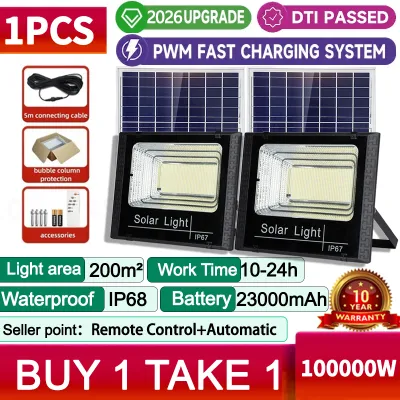
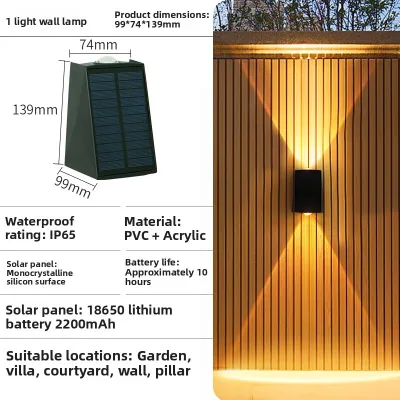
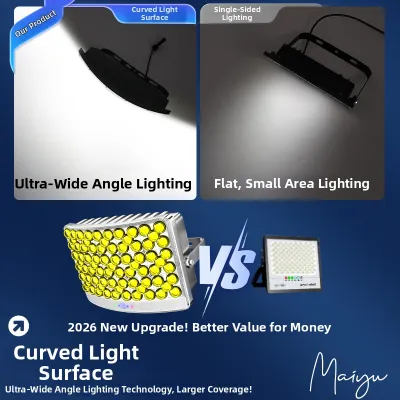
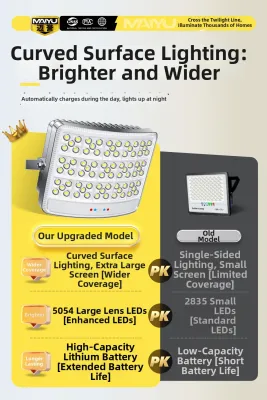
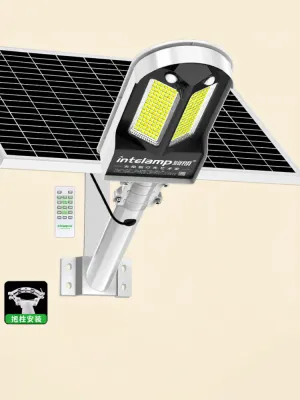
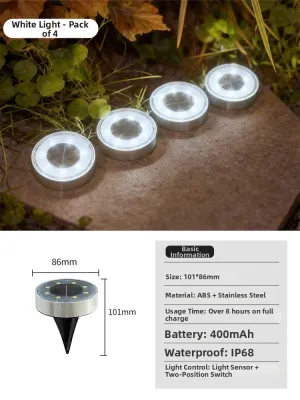
Prices are valid at publication and may change. Please refer to the product page for the latest price.
Furthermore, the actual performance of a solar light depends heavily on the efficiency of its photovoltaic panel and LED chips. Genuine products provide realistic lumen outputs and solar conversion rates that match their advertised specifications. Counterfeit alternatives typically feature low-grade solar cells that struggle to charge the battery fully, resulting in dim illumination and extremely short operating times at night, despite boasting exaggerated performance claims on their packaging.
How to Inspect Physical Build and Packaging Details
A close physical inspection of the product and its packaging is often the first line of defense against counterfeit goods. Authentic manufacturers invest in high-quality packaging materials, featuring crisp, high-resolution printing, accurate spelling, and comprehensive user manuals written in clear language. Counterfeit items frequently arrive in flimsy, generic cardboard boxes with blurry graphics, spelling errors, or missing documentation, which are clear indicators of a substandard production run.

Examine the physical unit itself for consistent branding, logos, and model numbers. Genuine solar lights feature molded or permanently printed logos that are perfectly aligned and match the brand’s official design guidelines. On counterfeit units, logos may be crooked, poorly printed, or presented as cheap stickers that can be easily peeled off, indicating that a generic factory product was rebranded post-production.
Material quality and construction finishing also reveal a product’s authenticity. Genuine outdoor fixtures use robust, UV-stabilized plastics or corrosion-resistant metals that feel substantial and heavy in the hand. Inspect the seams, joints, and lens covers; authentic units display clean, uniform seams and clear, scratch-free lenses. Counterfeit lights often exhibit rough plastic edges, visible glue residue, misaligned joints, and cloudy or easily scratched lenses that severely restrict light output.
How to Verify Solar Panel and Battery Specifications
Verifying the technical specifications of the solar panel and battery helps expose unrealistic performance claims. Start by examining the solar panel integrated into the fixture, noting whether it is monocrystalline or polycrystalline. Monocrystalline panels feature a dark, uniform appearance with cut corners, while polycrystalline panels have a distinct blue, speckled look. If the packaging claims high-efficiency monocrystalline technology but the physical unit features a cheap, unevenly laminated polycrystalline or amorphous silicon panel, the product is likely counterfeit.
Next, locate the battery compartment and inspect the internal labels, if accessible without voiding the warranty. Genuine solar lights clearly state the battery capacity (measured in milliampere-hours, or mAh), chemistry type, and voltage rating on a professionally printed label. Counterfeit products often use generic, unlabeled batteries or feature exaggerated capacities that are physically impossible for the size of the cell, such as claiming a standard AA-sized battery holds 10,000 mAh.
You should also cross-reference the advertised wattage and lumen output with the manufacturer’s official specifications. Authentic brands design their systems to balance solar panel size, battery capacity, and LED power consumption realistically. If a compact, inexpensive solar light claims to produce thousands of lumens or operate at an impossibly high wattage for its physical size, these exaggerated metrics are a strong indication of a counterfeit product.
How to Use Brand Verification and Official Resources
Many reputable lighting brands implement dedicated verification systems to help consumers confirm product authenticity. Look for official security features on the packaging, such as unique QR codes, holographic stickers, or scratch-off verification labels. Scanning these codes should direct you to a secure, official brand domain that confirms the specific serial number is genuine and has not been scanned multiple times previously.
If the product includes a serial number, visit the manufacturer’s official website to register the product for its warranty. Authentic serial numbers will be recognized by the brand’s database, allowing you to complete the registration process smoothly. If the website rejects the serial number or indicates that the number does not exist, this is a primary indicator that the unit is an unauthorized copy.
When digital verification tools are unavailable or inconclusive, contacting the brand’s customer support department directly is an effective alternative. You can send clear, high-resolution photographs of the product, its packaging, and any technical labels to the official support email. Customer service representatives can cross-reference their production logs and design standards to verify whether the item matches their authentic manufacturing runs.
How to Evaluate Sellers on E-commerce Platforms
Navigating online marketplaces requires careful scrutiny of seller profiles to avoid counterfeit listings. Prioritize purchasing from official brand stores, flagship outlets, or authorized distributors, which are often designated with platform-verified badges or certificates of authority. Unverified third-party sellers operating under generic or random names are significantly more likely to distribute counterfeit goods.
Analyze customer reviews thoroughly, looking beyond the overall star rating to find specific feedback regarding build quality and performance. Pay close attention to reviews that mention short battery life, water leakage after rain, or packaging that differs from official product photos. Be skeptical of listings with highly repetitive, generic positive reviews that lack detailed descriptions or actual photos of the installed product.
Pricing anomalies are another major indicator of counterfeit solar lights. While legitimate seasonal promotions and authorized discounts occur, an extremely low price—such as a premium fixture listed for a fraction of its standard retail price in ₱—should be treated with suspicion. Compare the seller’s pricing with the official brand store; if the deal seems too good to be true, the product is likely a low-quality imitation.
What to Do If You Receive a Counterfeit Product
If you suspect you have received a counterfeit solar light, take immediate action to document the issue and secure a refund. Begin by documenting the unboxing process, taking clear, well-lit photographs and videos of the packaging, shipping label, and the product itself. Capture close-up shots of any physical defects, spelling errors, or technical labels that prove the item is not genuine.
Initiate a return and refund request through the e-commerce platform’s official buyer protection system as soon as possible, keeping within the allowed return window. Present your documented evidence clearly, highlighting the discrepancies between the advertised authentic product and the item you received. Most major online marketplaces have strict policies against counterfeit sales and will facilitate a refund once sufficient proof is provided.
Finally, report the fraudulent listing and the seller to the platform’s customer support or moderation team. Reporting these listings helps protect other consumers from falling victim to the same scam and encourages platforms to maintain a clean, trustworthy marketplace. Avoid attempting to install or use the suspected counterfeit light, as doing so may void your return eligibility or present safety hazards.
Frequently Asked Questions (FAQ)
Can I rely solely on a low price to identify fake solar lights?
While an exceptionally low price is a strong indicator of a counterfeit product, it should not be your only point of evaluation. Some counterfeit sellers list fake products at or near the original retail price in ₱ to make them appear authentic and deceive unsuspecting buyers. Conversely, authorized distributors may offer genuine clearance discounts on older models. To make an accurate assessment, always combine price comparisons with physical inspections, technical specification checks, and seller verification.
Do counterfeit solar lights pose electrical safety risks outdoors?
Yes, counterfeit solar lights present real electrical and physical safety hazards when installed outdoors. Because they lack proper weatherproofing and IP-rated seals, rainwater can easily penetrate the housing, causing short circuits and rapid corrosion of the internal wiring. Furthermore, the use of uncertified, low-quality lithium batteries without built-in thermal protection circuits increases the risk of battery swelling, leakage of corrosive chemicals, or thermal runaway under intense tropical heat.

Community discussion
Share your experience or ask a question. Comments are reviewed before publication.