
Styling a meteor shower rain light involves balancing its dynamic cascading motion with soft, static ambient light sources, placing the vertical LED tubes in areas that draw the eye without creating glare, and selecting safe, secure mounting spots. These lights, characterized by their sequential dripping effect, can easily transition a space from a standard room to an enchanting, relaxing sanctuary. However, because their motion is highly eye-catching, thoughtful placement is essential to prevent the effect from feeling distracting or overwhelming.
When integrated thoughtfully into your bedroom or living room, these cascading lights mimic the gentle beauty of falling rain or shooting stars. This guide explores practical placement techniques, safety considerations for tropical climates, and design principles to help you achieve a perfectly balanced, cozy interior.
Preparing Your Space and Light Setup
Before hanging any light fixtures, it is essential to assess your equipment and plan the layout to ensure both safety and visual balance.
Products mentioned in this guide
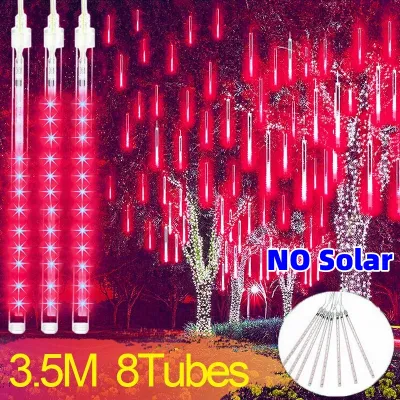
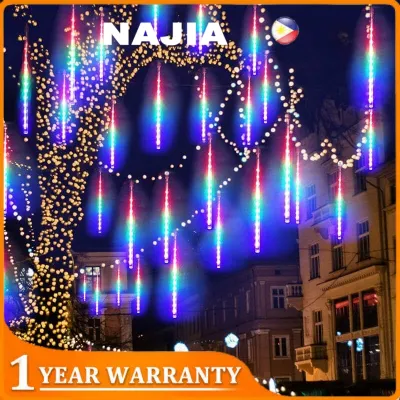
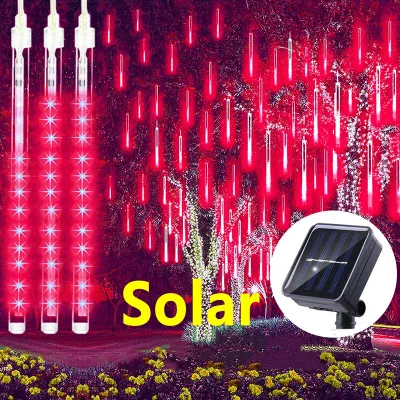
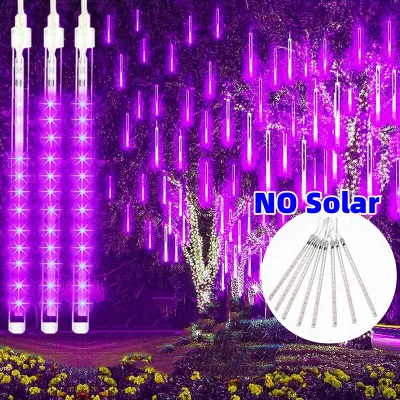
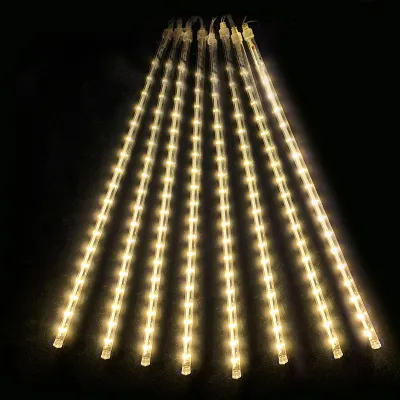
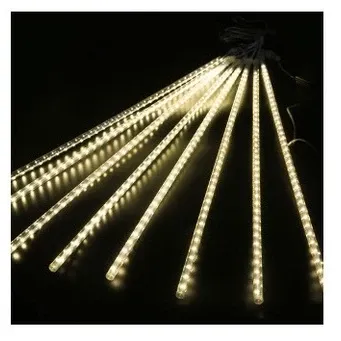
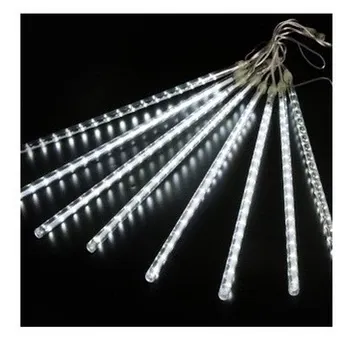
Prices are valid at publication and may change. Please refer to the product page for the latest price.
Assess the Power Source: Meteor shower rain lights are available in several power configurations, including USB-powered, battery-operated, or direct wall plugs. In the Philippines, the standard household electrical system operates at 220V with a frequency of 60Hz. If your light set uses a direct wall plug, verify the voltage compatibility printed on the transformer brick or product label before plugging it in. Using an incompatible voltage adapter can lead to overheating, short circuits, or permanent damage to the LED driver.
Measure and Plan: These lights consist of multiple rigid plastic tubes containing sequential LED chips connected by a main wire. Measure the height and width of your target area, such as a window frame or headboard, and compare it to the length of the individual tubes (typically 30cm or 50cm) and the total spacing between them. Planning your layout beforehand ensures that the wires hang naturally without being pulled tight, which can strain the internal solder joints and lead to premature failure.
Gather Styling Tools: To achieve a clean, professional look without damaging your walls, gather the necessary mounting tools before you begin. Damage-free adhesive hooks, transparent double-sided tape, and nylon zip ties are excellent for securing the wires and tubes. If you live in a rental condo, using removable adhesive hooks prevents paint damage and simplifies the teardown process later. Keep a few extension cords handy to route power safely along baseboards rather than letting cords stretch across walkways.
Pre-Installation Safety Check: Always inspect your light string before mounting it to any surface. Unroll the wires completely and look for any signs of damage, such as cracked plastic tubes, exposed copper wires, or loose connections at the base of the tubes. Plug the lights in on a dry, flat surface for a few minutes to confirm that all tubes cascade smoothly and that there are no flickering sections. If you notice any defects, do not attempt to install the lights; contact the manufacturer or retailer for a replacement.
Bedroom Styling Techniques for a Relaxing Retreat
The bedroom should serve as a peaceful retreat where you can unwind after a long day. When styling meteor shower rain lights in this space, focus on soft diffusion and low-contrast placement to promote relaxation.

Headboard and Bed Frame Draping: Mounting the cascading tubes along the headboard or bed frame creates a beautiful, grounding focal point. You can secure the main wire along the top back edge of a wooden or upholstered headboard, allowing the tubes to hang vertically down the sides. This placement provides a soft, warm backlight that is perfect for winding down in the evening. Ensure the tubes are positioned slightly behind the frame so you do not accidentally lean against them while sitting up in bed.
Window and Curtain Framing: Hanging the lights behind sheer curtains is one of the most effective ways to soften the bright points of LED light. The lightweight fabric acts as a natural diffuser, transforming the sharp cascading motion into a dreamy, glowing mist. This styling technique is particularly useful in urban apartments, where the soft indoor glow helps block out the harsh, cold glare of city streetlights. Secure the main wire to the curtain rod using clear zip ties or small adhesive hooks for a seamless look.
Canopy or Ceiling Suspension: For a more immersive experience, you can suspend the lights from the ceiling to create an indoor starry night effect. This setup works exceptionally well when paired with a lightweight fabric canopy over the bed. Warning: Ensure overhead mounts are secure, rated for the weight of the lights, and do not pose a falling hazard. Always check the manufacturer’s ceiling mounting instructions and use appropriate drywall anchors or heavy-duty adhesive hooks. If you are mounting to a concrete ceiling, consult a qualified professional to ensure the fixtures are securely anchored.
Reading Nook Accent: If you have a small reading chair or bedside shelf, you can use the rain lights to define a cozy nook. Wrap the light string loosely around a wooden ladder shelf, a floor lamp post, or a decorative screen. The rhythmic, downward pulsing of the lights can have a soothing, meditative effect, making it an excellent backdrop for your nighttime reading routine. Keep the lights at a comfortable distance from your direct line of sight to prevent eye fatigue.
Living Room Placement Ideas for a Warm Ambiance
In the living room, meteor shower lights can add depth and visual interest to larger, multi-use spaces without competing with your primary lighting.
Media Console and TV Backlighting: Placing the LED tubes behind your television screen or along the back edge of a media console provides excellent bias lighting. This technique reduces eye strain during movie nights by softening the contrast between the bright screen and the dark room. Position the tubes vertically so the cascading light washes down the wall behind the TV, creating a subtle, cinematic depth that enhances your viewing experience without reflecting directly off the screen.
Bookshelf and Display Cabinet Illumination: Weaving the lights through open shelving units turns standard furniture into an eye-catching display. Route the main wire along the underside of the shelves, allowing the vertical tubes to hang down the back corners. This placement highlights your favorite books, indoor plants, and decorative items with a gentle, falling glow. Be sure to tuck the wires neatly behind the shelf supports to keep the installation looking clean and organized.
Indoor Plant Integration: Integrating lights with indoor greenery brings a magical, organic feel to your living space. You can drape the tubes from the sturdy branches of tall indoor plants, such as a Ficus or a split-leaf Philodendron (Monstera). The green leaves naturally filter the cascading light, casting beautiful, organic shadows across the room. Make sure the plant’s leaves are dry, and avoid placing the electrical connections or power adapters near damp soil or watering zones.
Mirror and Artwork Framing: Outlining a large wall mirror or a canvas painting with rain lights is an excellent way to make a small living room feel more spacious. When mounted around a mirror, the cascading lights reflect off the glass, doubling the visual depth of the room and amplifying the ambient glow. Use clear adhesive clips around the frame of the mirror or artwork to secure the wires tightly, ensuring the tubes hang perfectly straight.
Layering Light to Maximize the Cozy Effect
To achieve a truly cozy atmosphere, you must combine your meteor shower lights with other light sources to create a balanced, layered lighting scheme.
Color Temperature Matching: The key to a cozy environment is using warm light temperatures, typically between 2700K and 3000K. When purchasing your meteor shower rain lights, opt for warm white or soft amber tones rather than cool white or blue. Mixing warm cascading lights with cool white overhead lighting can feel jarring and clinical. Ensure your bedside lamps, floor lamps, and accent candles also emit a matching warm glow to maintain a cohesive and inviting atmosphere.
Dimming and Contrast: Cozy lighting relies on high contrast and low overall brightness. Turn off harsh, bright overhead ceiling lights and let the meteor shower lights serve as your primary accent source. Pair them with a dimmable floor lamp or a low-wattage table lamp to fill in deep shadows without washing out the cascading effect of the LEDs. This contrast draws the eye to the moving light while keeping the rest of the room soft and relaxing.
Using Timers and Smart Plugs: Automating your lighting setup adds convenience and helps conserve energy. Connect your meteor shower lights to a smart plug or use a model with a built-in timer function. You can program the lights to turn on automatically at sunset and shut off when you typically go to sleep. This prevents the lights from running unnecessarily throughout the night, extending the lifespan of the LEDs and reducing your household electricity consumption.
Avoiding Glare and Light Pollution: Because meteor shower lights feature active movement, direct glare from the LED chips can quickly become distracting. Position the tubes so that the individual bulbs do not shine directly into your eyes when you are sitting on the sofa or lying in bed. Angle the tubes toward the wall to utilize reflected light, or hide them behind architectural features like crown molding, valances, or furniture edges to soften the overall effect.
Safe Installation, Maintenance, and Storage
Proper care and installation practices ensure that your lights remain safe to use and last for many years, especially when dealing with specific environmental factors.
Heat and Humidity Considerations: The tropical climate of the Philippines brings high humidity and warm ambient temperatures year-round. Keep all plug-in adapters, power strips, and controllers away from open windows, areas prone to condensation, or indoor water features. Ensure that power adapters are placed in well-ventilated areas and are not covered by pillows, curtains, or blankets, which can trap heat and create a fire hazard.
Secure Mounting Practices: Always prioritize safety when installing electrical fixtures. Use high-quality, damage-free adhesive hooks or zip ties to secure your lights. Never use metal nails, staples, or tacks, which can easily pierce the protective plastic insulation of the wires and cause short circuits, shocks, or electrical fires. For any fixed wiring, damp areas, work at height, or suspended loads, isolate the power source before starting, strictly follow the manufacturer’s installation instructions, and consult a qualified professional or licensed electrician if you are unsure or if instructions conflict.
Cleaning the Tubes: Dust and airborne particles can settle on the rigid plastic tubes over time, dimming the light output. To clean them, unplug the lights from the power source and gently wipe the exterior of the tubes with a dry, clean microfiber cloth. Avoid using wet wipes, liquid cleaners, or chemical sprays, as moisture can seep through the tube seals and damage the internal LED circuitry or cause a short circuit when plugged back in.
Proper Storage: When it is time to take down or reposition your lights, handle them with care to prevent internal damage. Coil the connecting wires loosely in a wide circle rather than wrapping them tightly around your hand, which can cause the copper strands inside to break. Store the lights in a sturdy box where the rigid plastic meteor tubes will not be bent, crushed, or subjected to heavy pressure. Keep them in a cool, dry place away from direct sunlight to prevent the plastic from becoming brittle.
Frequently Asked Questions (FAQ)
Can I connect multiple meteor shower rain lights together?
Whether you can connect multiple sets depends entirely on the manufacturer’s specifications and the design of your specific light string. Many models feature end-to-end connectors that allow you to daisy-chain a set number of strings, typically between three and five. Always check the product packaging or instruction manual for the maximum connectable limit. Never exceed this limit, and avoid overloading USB ports or wall adapters, as this can lead to overheating, voltage drops, or permanent damage to the power supply.
Are meteor shower rain lights safe to leave on all night?
While high-quality LED lights emit minimal heat and are generally safe for extended use, leaving any electrical device running unattended carries minor safety risks. To ensure safety and conserve energy, it is highly recommended to use a built-in timer or a smart plug to turn the lights off automatically after you fall asleep. Always verify that your power adapter is certified by local safety standards, carries a valid safety mark, and is kept in a well-ventilated area free from flammable materials.
How do I hide the wires and power adapters?
To maintain a clean and elegant aesthetic, use plastic cable management boxes to conceal bulky power adapters and multi-plug strips. You can route the thin connecting wires along baseboards, door frames, or behind furniture using clear adhesive wire clips. For areas where a wall outlet is out of reach or hard to hide, consider using battery-operated or USB-rechargeable versions of the lights, which allow for flexible placement without the need for visible cords.

Community discussion
Share your experience or ask a question. Comments are reviewed before publication.