
Transforming a compact condo bedroom into a relaxing sanctuary requires a thoughtful approach to lighting. While standard overhead fixtures can feel harsh and clinical, meteor rain lights—also known as cascading or dripping icicle lights—introduce a dynamic, soothing motion that mimics falling stars or gentle rain. When styled correctly, these vertical light tubes create a soft, layered glow that makes small spaces feel intimate and cozy rather than cramped. Achieving this cozy ambiance in a condominium setting relies on selecting the appropriate low-voltage fixtures, planning your layout around existing power outlets, and using damage-free mounting methods that respect your lease or property guidelines.
Choosing the Right Meteor Rain Lights for Your Bedroom
Unlike traditional fairy string lights that emit a static or simple blinking glow, meteor rain lights feature sequential LED chips housed inside protective acrylic tubes. This design creates a distinct cascading visual effect, where the light travels downward from the top of each tube to simulate a falling meteor. Because this movement is highly dynamic, selecting the right specifications is crucial to ensure the effect remains calming rather than distracting in a sleeping area.
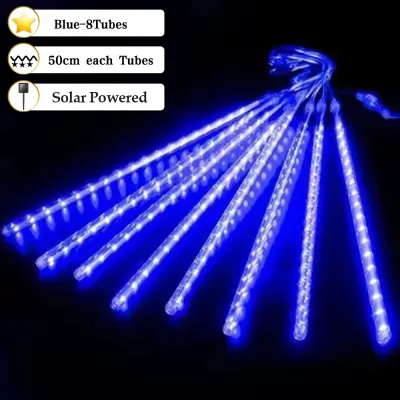
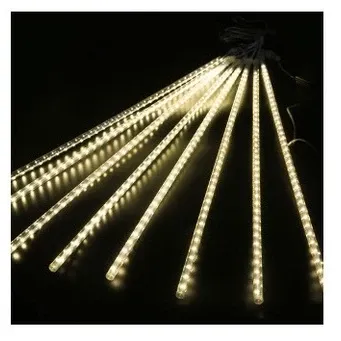
When shopping on an online marketplace or at a local lighting store, prioritize low-voltage power sources. Look for models powered by USB connections or low-wattage step-down adapters (typically 5V to 12V) rather than direct mains-voltage units. Low-voltage systems are inherently safer for indoor environments where fabrics and bedding are nearby. Additionally, check the product labels for warm color temperatures, typically ranging from 2200K to 2700K. This warm, golden-amber hue promotes relaxation, whereas cool white or blue tones can disrupt your body’s natural sleep preparation.
Products mentioned in this guide
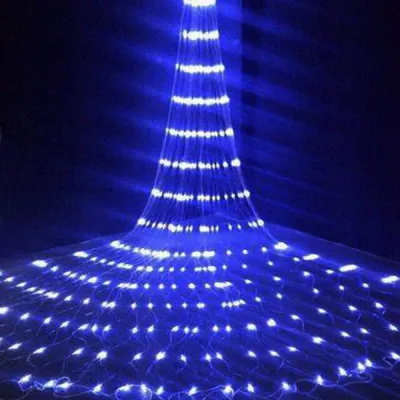
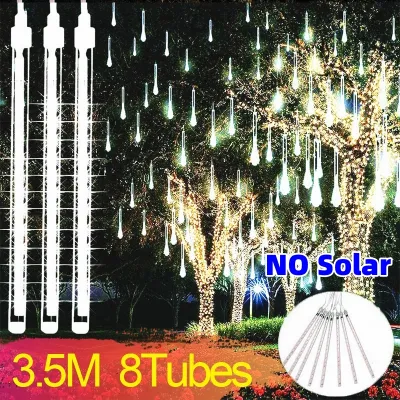
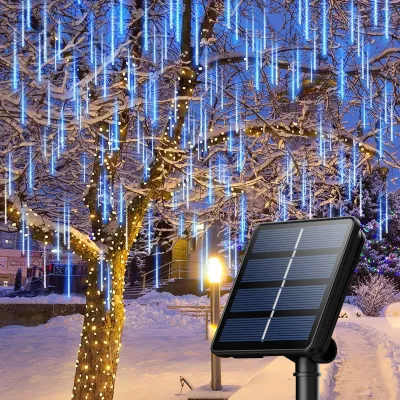
Prices are valid at publication and may change. Please refer to the product page for the latest price.
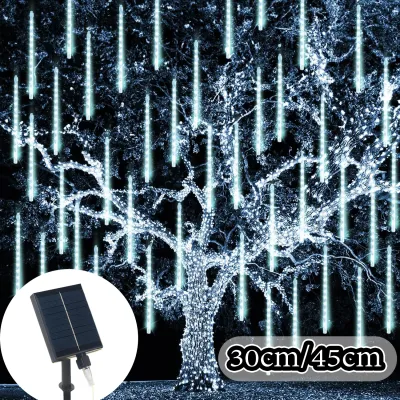
In tropical climates where indoor humidity can fluctuate, verifying that your lights are rated for indoor use is essential to prevent moisture-related electrical issues. Pay close attention to tube lengths and spacing. For standard condo bedrooms with typical ceiling heights, shorter tubes—such as 30-centimeter or 50-centimeter lengths—are generally easier to scale against walls or headboards than longer commercial-grade options. Finally, always verify that the product carries recognized electrical safety certifications. Never assume outdoor-rated lights are automatically suitable for confined indoor spaces without verifying their heat dissipation and power requirements.
Planning Layout and Power Access in a Condo Space
Condo bedrooms often present unique spatial constraints, such as concrete walls that limit drilling and strategically placed but limited electrical outlets. Before purchasing your lights, map out your bedroom layout to identify the most effective mounting zones. Excellent focal points include the wall space directly behind your headboard, along curtain rods framing your windows, tracing the upper perimeter of a wardrobe, or suspended gently along a ceiling cove.

Power routing requires careful planning to maintain both safety and aesthetics. Avoid the temptation to daisy-chain multiple extension cords or overload a single wall outlet with multiple high-draw appliances. Instead, ensure that the total wattage of your connected meteor rain light tubes does not exceed the rated output of your power adapter. If you plan to run multiple light strings, use a multi-port USB hub or a heavy-duty power strip with built-in surge protection, keeping all cables neatly routed along baseboards using non-destructive cable organizers.
It is also essential to understand the structural and regulatory boundaries of your condominium. Many modern condominiums in the Philippines feature solid concrete walls that make drilling difficult and noisy. Always consult your condo management rules before making any permanent alterations. If your design involves complex fixed wiring, integration into existing light switches, or working at heights to mount fixtures near high ceilings, isolate the main power supply and consult a qualified electrician to handle the installation safely.
Installation and Styling Techniques for a Cozy Vibe
To achieve a polished, professional look without risking your security deposit or damaging your condo’s paint, utilize damage-free mounting hardware. Removable adhesive hooks and transparent cable clips are ideal for securing the lightweight wires of meteor rain lights to painted drywall or wooden headboards. When mounting along windows, you can wrap the main support cable directly around your existing curtain rod, allowing the vertical tubes to hang naturally alongside your drapes without requiring any adhesive or hardware.
The arrangement of the tubes determines the overall mood of the room. For a natural, organic feel, stagger the mounting heights of the tubes rather than hanging them in a perfectly straight horizontal line. This staggered layout mimics a real meteor shower and breaks up rigid architectural lines. Alternatively, for a structured and modern look, align the tubes vertically at equal intervals directly behind your headboard. This creates a soft, indirect backlight that serves as an excellent reading light while casting gentle shadows upward.
To enhance the cozy atmosphere, pair your meteor rain lights with complementary bedroom decor. Hanging the lights behind sheer, translucent curtains diffuses the cascading glow, softening the movement and creating a dreamy, ethereal effect. Incorporating warm-toned bedding, such as linen or textured cotton in earth tones, helps absorb and reflect the warm light beautifully. You can also position the lights near indoor plants, like a leafy monstera or a snake plant, allowing the moving light to cast gentle, organic shadows that bring a touch of nature into your urban condo.
Adjusting Brightness and Routine Maintenance
Managing light intensity is key to maintaining healthy sleep hygiene. While the cascading motion of meteor rain lights is visually appealing, high brightness levels can interfere with your circadian rhythm. To mitigate this, choose light sets that include compatible inline dimmers, or connect your lights to a smart plug. A smart plug allows you to program automatic schedules—such as dimming the lights to a low glow an hour before bed and turning them off entirely once you fall asleep—ensuring your sleep environment remains dark and restful.
Regular maintenance is vital to keep your low-voltage lighting system operating safely. Establish a simple routine inspection checklist to perform every few months. Unplug the system and inspect the entire length of the cable for any signs of wear, pinching, or fraying. Check that all connector joints between the power adapter and the light tubes are secure and dry. While the lights are running, gently feel the power adapter and the connection points; they should remain cool or only slightly warm to the touch. Any unusual heat generation is a sign to discontinue use immediately.
When cleaning your meteor rain lights, safety must always come first. Always unplug the power adapter from the wall outlet before starting. Use a clean, dry microfiber cloth to gently wipe dust and lint off the acrylic tubes and cables. Never use liquid cleaners, wet wipes, or chemical sprays directly on the electrical components, as moisture can seep into the joints, degrade the protective seals, and compromise the electrical integrity of the system.
Troubleshooting Common Lighting Issues
Even high-quality lighting setups can occasionally experience minor operational issues. If you notice that some tubes in your meteor rain sequence are partially unlit or failing to cascade, start by checking the individual connector joints along the main line. Many meteor rain light sets use modular screw-cap connectors; if these are loose or inserted backward, the electrical circuit will be interrupted. Additionally, verify if the behavior is simply a randomized twinkling effect built into the controller, as some models intentionally pause certain tubes to create a more natural motion.
Flickering, strobing, or dimming across the entire string usually points to an issue with power delivery. Verify that the output specifications of your power adapter (voltage and amperage) precisely match the requirements printed on the light string’s label. Using an underpowered adapter can cause the LEDs to flicker or fail prematurely. Ensure the wall outlet or USB port you are using provides a stable voltage, and avoid plugging the lights into outlets shared with high-power appliances like air conditioners or refrigerators, which can cause voltage fluctuations.
While most minor issues can be resolved with simple checks, you must recognize when a problem requires professional attention. Define strict stop conditions for your setup: if you detect any burning odors, see smoke, feel excessive heat coming from the adapter or tubes, or observe exposed copper wiring, immediately unplug the system from the wall. Do not attempt to repair damaged wiring or cracked acrylic tubes yourself. Discard the damaged components or consult the manufacturer or a qualified professional for replacement parts.
Frequently Asked Questions (FAQ)
Can I leave meteor rain lights on all night while sleeping?
It is generally not recommended to leave meteor rain lights running continuously throughout the night. While low-voltage LED lights are highly efficient and emit minimal heat compared to traditional incandescent bulbs, continuous operation can shorten the lifespan of the driver components. More importantly, even soft, moving light can disrupt your deep sleep cycles. To support healthy sleep hygiene and conserve energy, use a mechanical timer or a smart plug to automatically power down the lights shortly after your bedtime. Always adhere to the manufacturer’s stated maximum continuous operation limits found in the product manual.
Are meteor rain lights safe to use near fabric curtains or bedding?
Yes, low-voltage meteor rain lights are generally safe to use near household textiles, provided you follow basic safety precautions. Before installation, verify your product manual for any specific heat warnings or fire-retardant certifications regarding proximity to fabrics. Ensure there is adequate clearance around each acrylic tube so that heat can dissipate naturally into the room. Avoid burying, wrapping, or trapping the light tubes inside heavy duvets, thick drapes, or behind tight furniture, as restricting airflow can cause heat to build up over time, potentially damaging both the lights and your fabrics.

Community discussion
Share your experience or ask a question. Comments are reviewed before publication.