
Styling tree lights in your bedroom or living room is one of the most effective ways to introduce a soft, inviting layer of light to your home. Unlike harsh overhead fixtures, these delicate, glowing accents mimic the natural, scattered light of fireflies or starlight, instantly softening the hard angles of a room. To achieve a balanced and cozy ambient glow, you must select the right style of lights, verify their electrical specifications for your home, and position them strategically so they reflect off surrounding surfaces rather than shining directly into your eyes.
Whether you are decorating a compact urban condominium or a spacious open-plan living area, integrating these glowing elements requires a thoughtful approach to placement and safety. By understanding how to layer your light sources and coordinate them with your existing decor, you can transform any ordinary room into a relaxing sanctuary. This guide covers everything from selecting the ideal bulb specifications to creative styling techniques and essential maintenance practices for your indoor spaces.
Choosing the Right Tree Lights for Ambient Lighting
Selecting the perfect set of tree lights begins with understanding the different designs available on the market. Branch-shaped copper wire lights feature ultra-thin, flexible wires that can be bent and molded into organic shapes, making them excellent for delicate tabletop displays or wrapping around small indoor items. String lights designed for larger indoor plants or decorative branches offer longer, more robust strands that can drape naturally over foliage. Alternatively, freestanding tree-shaped lamps provide a pre-lit, structured option that serves as a standalone sculptural decor piece even when turned off.
Products mentioned in this guide
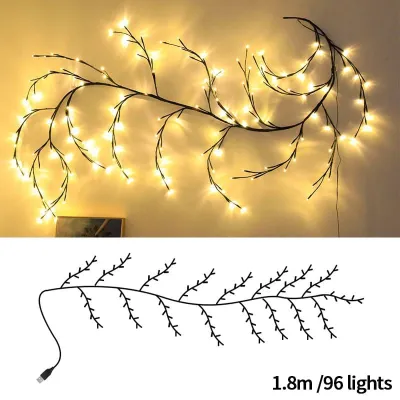
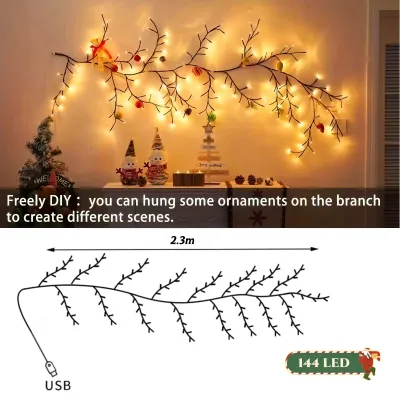
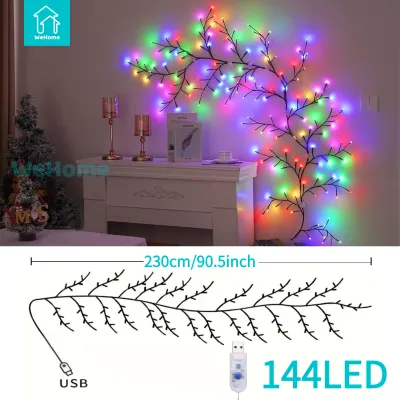
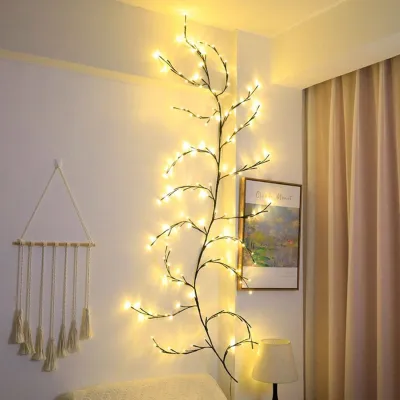
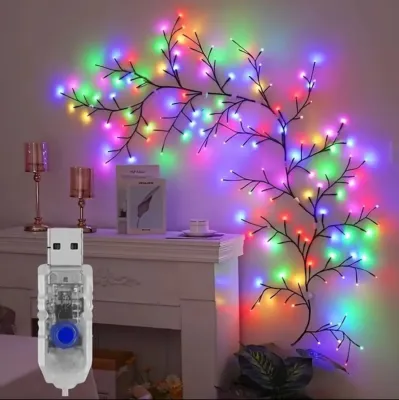
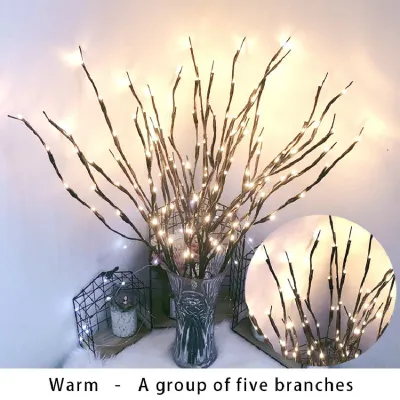
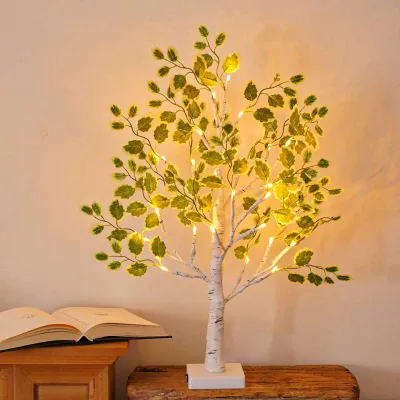
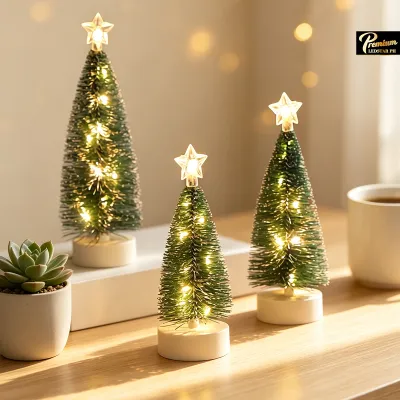
Prices are valid at publication and may change. Please refer to the product page for the latest price.
Before making a purchase, always verify the technical specifications on the product label to ensure compatibility with your home’s electrical setup. In the Philippines, standard household outlets operate on a 220V system, so any direct plug-in lights must be rated accordingly to prevent electrical damage or safety hazards. If you prefer placement flexibility without relying on nearby wall outlets, look for low-voltage USB-powered options or battery-operated models. Additionally, check the Ingress Protection (IP) rating if you plan to place the lights near humidifiers, indoor water features, or open windows where tropical rain or high humidity could introduce moisture; an IP44 rating offers basic protection against splashing water, while standard IP20 lights should be kept strictly in dry, protected areas.
Color temperature is the most critical factor in establishing a cozy atmosphere. For a relaxing, warm environment, select bulbs with a color temperature between 2200K and 2700K, often labeled as warm white or extra warm white. These tones emit a gentle, golden light that encourages relaxation and prepares your body for rest. Avoid cool white or daylight bulbs ranging from 5000K to 6500K in your relaxation zones, as their high blue-light content mimics midday sun and can disrupt your natural sleep cycle.
Safety Checks and Preparation Before Installation
Before you begin arranging your lights, a thorough safety inspection is essential to protect your home and prolong the lifespan of your decor. Unroll the light strands completely and inspect the entire length of the wire for any signs of damage, such as cracked insulation, exposed copper, or loose bulb connections. Plug the strand in briefly on a flat, non-flammable surface to verify that all bulbs illuminate consistently without flickering, which could indicate an internal wiring fault.

Next, map out your power sources and plan your cable management routes carefully. Avoid overloading a single wall outlet with multiple high-draw adapters, and never daisy-chain extension cords together. Position your cords along baseboards or behind heavy furniture to eliminate tripping hazards, especially in high-traffic areas of the living room. If you must run a cord across a walkway, use a low-profile rubber cord protector to secure it flat against the floor.
Keep safety boundaries in mind during installation. Ensure that light strands and power adapters are kept away from highly flammable materials, such as lightweight synthetic curtains or paper decorations. Power adapters and transformers generate mild heat during operation, so they require adequate ventilation; never tuck them under mattresses, behind tight sofa cushions, or inside sealed plastic storage boxes where heat can accumulate and create a fire hazard.
Bedroom Styling: Creating a Relaxing Retreat
Your bedroom should serve as a personal sanctuary, and tree lights can help soften the transition from a busy day to a restful night. One popular technique is draping delicate copper wire lights along a wooden headboard or weaving them through a bed canopy. To secure the wires safely without damaging your walls or furniture, use small, clear adhesive clips or non-damaging twist ties. Avoid using metal staples, nails, or tacks, which can easily pierce the protective wire insulation and create a short circuit.
For a more subtle accent, try integrating micro LED string lights with natural elements on your nightstand or shelving units. Wrapping a short strand of warm lights around dried decorative branches placed in a heavy ceramic vase creates an elegant, organic glowing sculpture. Alternatively, you can coil a thin copper wire light strand inside a tinted glass cloche or a series of mason jars to create self-contained lanterns that cast soft, patterned shadows across the room.
To maximize comfort, control the brightness of your bedroom lights to match your evening routine. Opt for dimmable tree lights that allow you to lower the light levels as bedtime approaches. Connecting your plug-in lights to a simple plug-in timer or a smart plug allows you to automate your lighting schedule, ensuring the warm glow automatically fades out after you fall asleep, which supports healthy sleep hygiene and saves energy.
Living Room Styling: Adding Warmth to Shared Spaces
In the living room, tree lights can be used to add visual depth, highlight architectural features, and make the shared space feel more intimate. A highly effective technique is using lights to create subtle backlighting behind media consoles, television screens, or inside bookshelves. By weaving thin string lights along the back edges of shelves or behind your TV, you create a soft wash of light against the wall. This indirect illumination, often called bias lighting, reduces eye strain during evening movie viewings and makes the room feel larger.
Another way to elevate your living room is by framing architectural elements or decorative features to create soft reflections. Try outlining a large wall mirror, a window frame, or a favorite piece of framed artwork with delicate fairy lights. The glass surfaces will catch and double the glow, scattering the light gently throughout the room. If you have large indoor plants, such as a potted palm or a monstera, weaving lightweight string lights through the branches will cast beautiful, dramatic leaf shadows on your walls.
To maintain a harmonious atmosphere, balance your tree lights with the existing light sources in the room. Turn off bright, centralized overhead ceiling lights, which can wash out the cozy effect of your accent lighting. Instead, pair your tree lights with low-wattage table lamps or floor lamps positioned at different heights around the room. This creates a layered lighting scheme that eliminates dark corners and harsh glare, resulting in a balanced, warm environment perfect for entertaining or unwinding.
Caring for and Storing Your Tree Lights
Proper maintenance and storage are key to ensuring your tree lights remain safe and functional for years to come. Dust and airborne particles can accumulate on the delicate wires and bulbs over time, reducing their brightness. Always unplug the lights from the wall outlet before cleaning. Use a dry or slightly damp microfiber cloth to gently wipe down the strands and bulbs; never use liquid chemical cleaners, abrasive pads, or spray water directly onto any electrical components.
When it is time to take down temporary or seasonal lighting displays, avoid the temptation to bunch the strands into a tight ball. Rough handling can easily kink the delicate internal copper wires or loosen the LED connections. Instead, wrap the strands gently around a clean piece of cardboard, a plastic hanger, or a dedicated cord spool. Store the coiled lights in a sturdy, airtight plastic container to protect them from dust, pests, and the high humidity typical of tropical climates.
If your lights stop working, follow a systematic troubleshooting process before deciding to replace them. First, verify that the outlet is functioning by testing it with another device, and ensure all USB or plug connections are seated firmly. For battery-operated models, replace the old batteries with a fresh set of the same brand and type. If you discover physical damage, such as frayed wires, melted plastic, or scorched plugs, do not attempt a DIY electrical repair; safely discard the damaged strand and replace it with a new, certified product.
Frequently Asked Questions (FAQ)
Can I leave tree lights on overnight?
It is generally not recommended to leave decorative tree lights operating unattended overnight. Always consult the manufacturer’s guidelines for the maximum recommended continuous run time of your specific product. While modern LED tree lights emit very little heat compared to older, traditional incandescent bulbs, leaving any electrical device powered on while you sleep carries a minor risk of overheating or electrical malfunction. To enjoy a worry-free environment, connect your lights to an automatic outlet timer or a smart plug configured to turn the system off automatically once you go to bed.
How do I hide the battery pack or power cord?
Keeping power sources out of sight is essential for maintaining a clean, professional-looking decor setup. For battery-operated tree lights, you can conceal the bulky battery pack inside a decorative woven basket, a hollowed-out book box, or behind a framed photograph on your shelf or nightstand. For plug-in models, route the power cords neatly along the back edges of your furniture or along your baseboards using small, self-adhesive cable management clips. Always ensure that power adapters and transformers are placed in open, well-ventilated areas where air can circulate freely, and never cover them with heavy blankets, pillows, or rugs.

Community discussion
Share your experience or ask a question. Comments are reviewed before publication.