
To verify if an IP67 solar light is original, you must inspect the physical build quality, check the integrity of the seals and gaskets, examine the certification labels, and purchase only from verified sellers. A genuine IP67 rating means the fixture is completely dust-tight and protected against temporary immersion in water. Counterfeit units often mimic the external appearance of reputable brands but lack the internal engineering required to survive harsh outdoor environments.
In tropical climates like the Philippines, where heavy monsoon rains and high humidity are common, a fake solar light will quickly fail. By systematically evaluating the construction, documentation, and source of your outdoor lighting, you can protect your investment and ensure your garden or pathway remains safely illuminated.
Why Fake IP67 Solar Lights Fail Outdoors
An IP67 rating is a standardized measure of environmental protection. The first digit, “6,” indicates complete protection against dust ingress, while the second digit, “7,” signifies that the enclosure can withstand temporary immersion in water up to one meter deep for 30 minutes. Genuine manufacturers achieve this rating through precise engineering, high-grade silicone gaskets, and tightly sealed housing materials.
Products mentioned in this guide
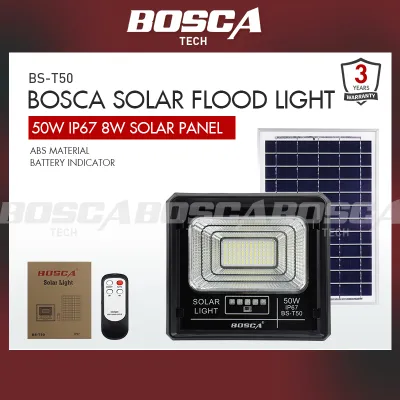
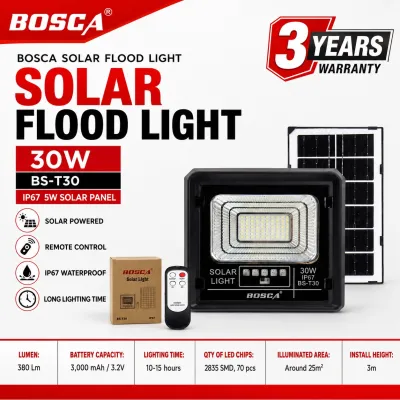
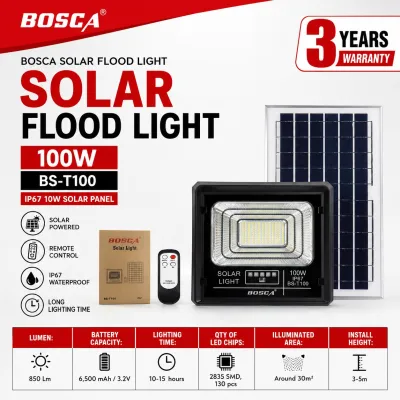
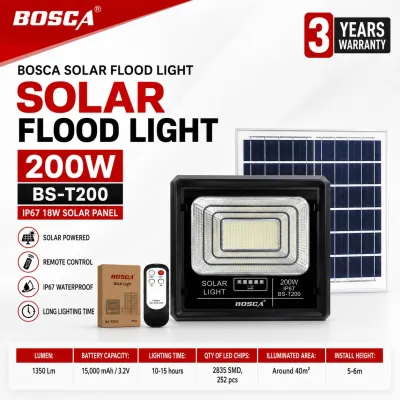
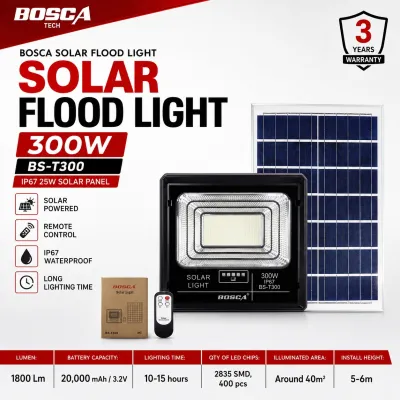
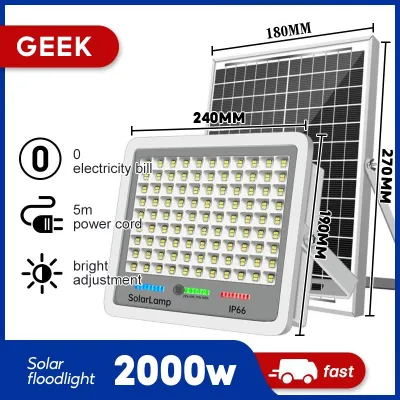
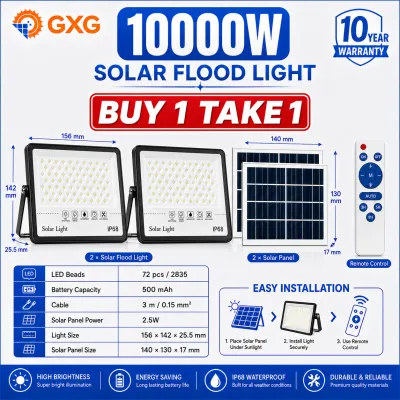
![YEELITE [ BUY 1 TAKE 1 ] 50W-500W High Brightness light IP67 LED Solar Flood Light with Remote Control for Outdoor Lighting POWER LIGHT genuine](https://img.lazcdn.com/g/p/e65cd73831392c6a737b6fc912430554.png_400x400q80.png_.webp)
Prices are valid at publication and may change. Please refer to the product page for the latest price.
Counterfeit solar lights often display the IP67 label without undergoing any standardized testing or incorporating proper sealing mechanisms. When exposed to heavy tropical downpours, these imitation units allow moisture to seep into the internal compartments. The trapped humidity quickly leads to condensation on the inside of the protective lens, blocking light output and degrading the components.
Once water penetrates the housing, the internal electronics face immediate risks. Moisture causes rapid battery corrosion, which permanently reduces energy storage capacity and can lead to dangerous thermal events. Water contact also triggers short circuits on the control board, rendering the light completely inoperable.
Furthermore, poor sealing compromises the solar charging system. Moisture ingress around the wiring connections degrades charging efficiency, meaning the battery will fail to charge fully even during sunny days. While a fake light might look identical to an original model on a store shelf, its lack of internal waterproofing guarantees a short lifespan under demanding outdoor conditions.
Physical and Build Quality Checks for Genuine IP67 Lights
A hands-on inspection is one of the most reliable ways to distinguish a genuine IP67 solar light from a cheap imitation. Start by evaluating the overall weight and material of the fixture. Original units typically use high-density, UV-resistant polycarbonate or die-cast aluminum housings that feel solid and balanced. Counterfeits often rely on thin, brittle plastics that flex under pressure and feel unusually light due to smaller batteries and cheaper internal components.

Examine the seams and joints of the housing very closely. Genuine IP67 lights feature uniform molding with clean, smooth edges and no visible gaps. Look for a thick, continuous rubber or silicone gasket sealing the junction between the lens and the main body. In fake lights, these gaskets are often thin, misaligned, unevenly glued, or entirely missing, leaving clear pathways for rainwater to enter.
Next, inspect the screws and fasteners securing the casing. Original manufacturers use rust-resistant stainless steel screws that are evenly tensioned to maintain consistent pressure on the waterproof seals. Counterfeits frequently use cheap iron screws that rust after the first rain, or they may rely solely on weak plastic clips and hot glue to hold the assembly together.
The solar panel itself offers critical clues about the product’s authenticity. Genuine panels feature clean, evenly spaced photovoltaic cells protected by tempered glass or high-grade, clear resin. Run your fingers over the surface to check for bubbles, scratches, or cloudy patches. Imitation panels often have misaligned cells, visible dust trapped under the protective layer, or a soft plastic cover that scratches easily and degrades quickly under intense sunlight.
Inspecting Labels, Packaging, and Documentation Markers
Authentic manufacturers pay close attention to product labeling and documentation, whereas counterfeiters often cut corners on these details. Examine the specification label on the back of the solar light. Original units feature clearly printed, laser-etched, or molded labels that list the exact IP rating, voltage, wattage limits, and electrical certifications. If the label is a cheap, crooked paper sticker with blurry text that easily peels off when wet, the light is highly likely to be a fake.
Open the packaging and review the user manual. A genuine product includes a well-written, comprehensive manual with clear installation instructions, safety warnings, maintenance guidelines, and legitimate manufacturer contact information. Counterfeit manuals are often poorly translated, contain numerous spelling errors, lack specific technical details, or are printed on a single sheet of low-quality paper.
The external packaging should also be scrutinized. Original brands package their products in sturdy, high-quality cardboard boxes with sharp, high-resolution printing, accurate barcodes, and official brand logos. Be skeptical of plain brown boxes, generic packaging with generic terms like “Solar Light” without a brand name, or boxes with pixelated images and spelling mistakes.
Additionally, check for safety and compliance markings appropriate for your region. Genuine electrical products undergo rigorous testing and display legitimate certification marks. While counterfeiters sometimes copy these logos, they often get the proportions wrong or place them on products that clearly do not meet basic electrical safety standards.
Evaluating Seller Credibility and Online Listings
Your choice of retail channel plays a massive role in avoiding counterfeit outdoor lighting. When shopping on an online marketplace or ecommerce platform, look closely at the seller’s profile. Prioritize official brand stores, authorized distributors, or preferred sellers with high positive ratings and a long history of transactions. Avoid newly created storefronts with generic names and no verifiable business history.
Price is a major indicator of authenticity, though it should not be your only metric. If a listing offers an “IP67 solar light” at a price that is significantly lower than the average market rate for reputable brands, it is almost certainly a fake. High-quality waterproof seals, tempered glass, and reliable lithium batteries carry manufacturing costs that make extremely low prices impossible for genuine products.
Analyze the product description and images in the listing. Genuine listings provide detailed technical specifications, including dimensions, battery capacity, lumen output, and installation requirements. Counterfeits often use stolen stock photos from official brands, vague descriptions, and exaggerated performance claims that sound too good to be true.
Read the customer reviews with a critical eye. Look past the initial five-star ratings and focus on reviews that mention long-term performance. Search for specific feedback regarding water resistance, such as reports of internal condensation, rust, or complete failure after a heavy rainstorm. A pattern of reviews complaining about water damage is a clear warning sign that the product does not possess a true IP67 rating.
What to Do If You Receive a Suspected Counterfeit
If you suspect that the solar light you received is a counterfeit, handle the situation carefully to protect your consumer rights. Begin by performing a thorough, non-destructive visual inspection immediately upon unboxing. Keep all original packaging, protective films, tags, and accessories intact, as damaging or discarding them can void your ability to return the item.
Do not attempt to test the IP67 claim by submerging the light in water or leaving it out in a storm if you suspect it is fake. If the unit is indeed a counterfeit, water will likely penetrate the housing, causing an immediate short circuit and physical damage. This visible water damage can be used by dishonest sellers to claim that you misused the product, potentially voiding your return or refund policy.
Instead, document all physical discrepancies between the received product and the official brand specifications. Take clear, high-resolution photos and videos of blurry labels, poor-quality seals, misaligned solar cells, or packaging errors. Use this evidence to initiate a formal dispute or return request through the ecommerce platform’s buyer protection program, clearly stating that the item is counterfeit and does not match the advertised specifications.
Frequently Asked Questions (FAQ)
Can I test the IP67 rating by spraying the solar light with a hose?
No, you should not test a solar light by spraying it with a garden hose. An IP67 rating specifically denotes protection against temporary immersion in static water, not high-pressure water jets. Spraying a light with a hose simulates an IP65 or IP66 environment with directional pressure, which can force water past seals that are otherwise perfectly capable of handling immersion or heavy rain. Furthermore, if the light is a counterfeit, intentional water exposure before verifying its authenticity can cause permanent damage and void your return options.
Does a higher price always guarantee an original IP67 solar light?
While an extremely low price is a reliable indicator of a counterfeit product, a high price does not automatically guarantee that a solar light is original. Some unscrupulous sellers list fake products at premium prices to trick buyers into assuming they are purchasing high-quality, authentic goods. To protect yourself, always cross-reference the price with physical build quality checks, official seller authorizations, and verified customer reviews rather than relying on the price tag alone.

Community discussion
Share your experience or ask a question. Comments are reviewed before publication.