
Repurposing holiday decorations is an excellent way to elevate your bedroom’s atmosphere without investing in expensive, permanent fixtures. Christmas curtain lights, with their cascading strands of delicate glow, can easily transition from seasonal accents to permanent, everyday ambient lighting. In compact spaces like urban condominiums in the Philippines, where maximizing vertical space and creating a relaxing sanctuary is essential, these lights offer a soft, diffused illumination that makes any bedroom feel instantly cozier. By understanding how to plan your layout, select the right specifications, and mount them safely, you can enjoy a warm, inviting retreat all year round.
Assessing Bedroom Layout and Power Access
Before hanging any lights, evaluate your bedroom’s physical layout to determine the best placement and ensure a safe electrical setup. Start by measuring the width and height of the area you want to highlight, whether it is a window frame, the wall behind your headboard, or an empty accent wall. Knowing these dimensions prevents you from purchasing strands that are too long, which leads to unsightly bunching on the floor, or too short, which leaves awkward gaps.
Next, locate your nearest power outlets. In many bedrooms, outlets may be hidden behind heavy wardrobes, bed frames, or side tables. It is crucial to plan a direct path from the light’s power controller to the outlet without stretching the cord tightly or creating a tripping hazard. Avoid daisy-chaining multiple extension cords or overloading a single wall outlet with too many high-draw appliances, as this poses an electrical risk. If your layout requires running cords across a walkway, consider alternative placement or use low-profile cord covers to keep the path clear and safe.
Products mentioned in this guide
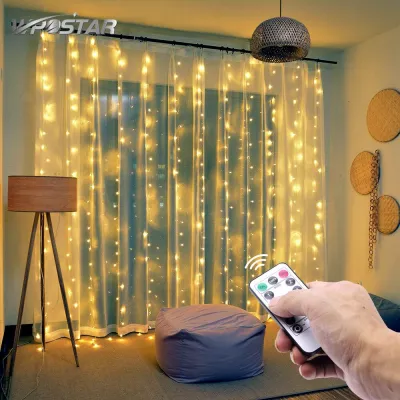

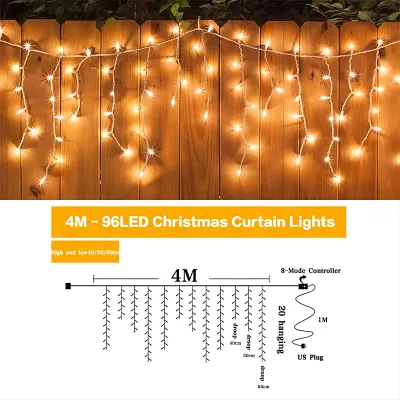


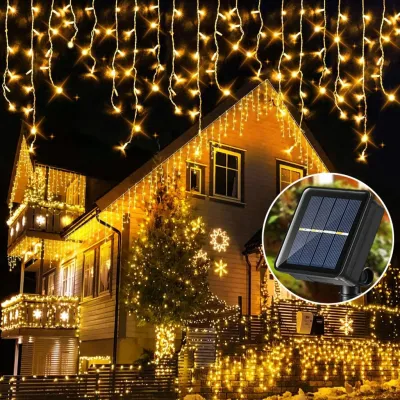
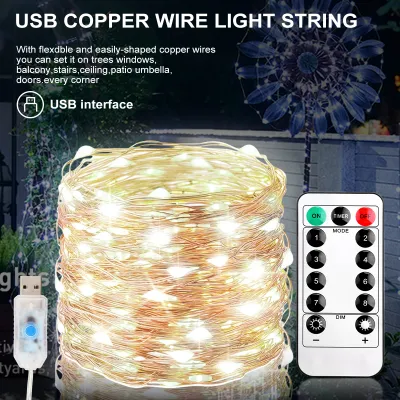

Prices are valid at publication and may change. Please refer to the product page for the latest price.
Finally, observe how natural light and existing fixtures interact with your space throughout the day. The goal of adding curtain lights is to complement your room’s baseline illumination, not to overpower it or create harsh glare. If your bedroom already receives bright street lighting at night or has intense overhead fixtures, position your curtain lights where they can act as a soft, secondary layer of warmth. This careful assessment ensures that your new lighting setup feels integrated and intentional.
Selecting Curtain Lights for Year-Round Bedroom Decor
Choosing the right set of christmas curtain lights for daily use requires looking beyond holiday aesthetics to find specifications that support relaxation. Color temperature is the most critical factor in setting the right mood. For a bedroom, warm white lights (typically ranging from 2700K to 3000K) are highly recommended because they mimic the soft glow of sunset, helping your mind wind down after a long day. In contrast, cool white lights can feel clinical or overly stimulating, while multicolored options may feel too festive for a permanent, year-round setup.

You must also decide on the most practical power source for your daily routine. Plug-in models and USB-powered curtain lights are generally the most convenient for everyday bedroom use because they provide consistent brightness without the hassle of battery decay. While battery-operated lights offer maximum placement flexibility because they do not require an outlet, they are often better suited for temporary setups due to the ongoing cost and effort of replacing batteries.
Do not overlook the physical design of the light strands, specifically the wire color. Matching the wire color to your bedroom’s color scheme helps the fixture blend seamlessly into the background when turned off. Clear or silver wires work exceptionally well against light-colored walls, sheer white curtains, or modern minimalist decor. Copper or brass wires add a warm, metallic touch that complements wooden headboards and bohemian styles, while dark green or black wires are best reserved for dark accent walls or deep-toned drapery where they can remain discreet.
Safe Mounting and Electrical Boundaries
A successful installation must prioritize safety and protect your walls from damage, especially if you are renting a condo or apartment. To hang your curtain lights securely, use damage-free adhesive hooks or clips designed specifically for lightweight cables. Alternatively, if you already have a curtain rod installed, you can gently drape the main horizontal strand of the curtain lights over the rod, securing it loosely with twist ties or zip ties to keep it in place without pinching the wires.
Before plugging in your lights, verify the electrical specifications printed on the product label or power adapter. Ensure the voltage rating matches your home’s electrical system (typically 220V in the Philippines). If you are using a USB-powered set, check that your wall adapter provides the correct amperage specified by the manufacturer. Never connect more light strands together than the manufacturer explicitly recommends, as overloading the starter strand can cause overheating, melt the insulation, or trigger a short circuit.
Keep all electrical cords and light strands away from potential hazards. In tropical climates, ensure the lights are not positioned directly in front of air conditioning vents where condensation might accumulate, or near high-velocity electric fans that could cause the delicate strands to tangle and fray. Keep the wires clear of heavy furniture legs that could crush or pinch them, and avoid running cords under rugs where heat can build up. If you discover that your bedroom lacks safe power access and requires modifying your fixed home wiring or installing new wall outlets, stop the installation immediately and consult a qualified professional electrician.
Layering Light for a Relaxing Everyday Ambiance
To create a truly cozy and functional bedroom environment, your curtain lights should work in harmony with other light sources. Layering your lighting involves combining ambient, task, and accent lights to give you complete control over the room’s atmosphere. Pair your curtain lights with dimmable bedside lamps or warm overhead fixtures. This allows you to control overall brightness and avoid eye strain.
Integrating smart home technology can significantly enhance the daily convenience of your setup. By plugging your curtain lights into a smart plug or utilizing a mechanical outlet timer, you can automate your lighting schedule. Program the lights to turn on automatically at sunset and switch off at your bedtime. This not only saves energy but also establishes a consistent sleep routine, helping your body recognize when it is time to rest without you having to manually unplug the lights every night.
For a softer, more ethereal look, try diffusing the light through different textures in your room. Hanging the curtain lights directly behind sheer, lightweight curtains creates a beautiful, filtered glow that softens the individual points of light. You can also drape them behind a fabric bed canopy or weave them gently along the back of a slatted wooden headboard. This diffusion reduces direct glare, transforming the sharp pinpoints of the LEDs into a gentle, cloud-like wash of light that enhances the overall sense of tranquility in your personal sanctuary.
Routine Maintenance and Cord Care
Maintaining your curtain lights ensures they remain safe and functional for years to come. Because these lights hang vertically, they can easily accumulate household dust over time, which can dull their brightness and trap heat. Periodically dust the bulbs and wires gently using a dry microfiber cloth or a static duster.
Make it a habit to inspect the entire length of the light strands regularly. Look closely for any signs of wear, such as exposed copper, cracked plastic insulation, loose bulb connections, or scorched areas near the plug. If you notice any damage, discontinue use immediately to prevent electrical shocks or fire hazards. When you need to take the lights down—whether for cleaning, moving, or redecorating—avoid pulling or yanking the strands. Coil them loosely around a sturdy piece of cardboard or a dedicated plastic spool to prevent internal wire breakage and frustrating tangles, keeping them in perfect condition for their next use.
Frequently Asked Questions (FAQ)
Can I leave curtain lights on all night while sleeping?
While modern LED curtain lights emit very little heat compared to traditional incandescent bulbs, it is generally not recommended to leave them running all night while you sleep. Continuous operation increases cumulative wear on the power adapter and internal circuitry. Furthermore, even a soft ambient glow can disrupt your body’s natural production of melatonin, leading to lighter, less restorative sleep. For safety and optimal sleep hygiene, it is best to use a timer or smart plug to turn the lights off once you fall asleep.
Are battery-operated curtain lights practical for everyday bedroom use?
Battery-operated curtain lights are highly convenient for temporary setups or areas without nearby outlets, but they are less practical for daily, year-round bedroom use. Constant daily operation will drain standard batteries quickly, leading to dimming lights and frequent, costly replacements of multiple AA or AAA batteries over the course of a year. For a permanent bedroom installation, plug-in or USB-powered models are far more sustainable, reliable, and cost-effective over time.

Community discussion
Share your experience or ask a question. Comments are reviewed before publication.