
Transforming a compact condominium bedroom into a warm, restful sanctuary requires a thoughtful approach to lighting. In small spaces, harsh overhead fixtures can feel clinical and visually shrink the room, whereas decorative Santa lights—often featuring warm-toned bulbs or festive, whimsical shapes—offer a soft, diffused alternative. By strategically placing these string lights, you can introduce depth, highlight architectural lines, and create a cozy, layered ambiance that makes your personal space feel both intimate and expansive. Achieving this balance in a tropical condo environment involves blending creative styling with practical considerations, such as managing high humidity, navigating limited wall outlets, and protecting rental-friendly wall finishes.
Planning Your Bedroom Layout and Power Access
Before hanging a single strand of lights, a successful installation begins with a clear assessment of your bedroom’s physical layout and electrical capacity. In a typical compact condo, floor space is at a premium, meaning every decorative element must serve a purpose without adding visual clutter. Start by measuring the dimensions of your available wall surfaces, bed frames, window frames, and ceiling perimeters. This prevents purchasing strands that are either too short to complete a clean run or so long that they bunch up awkwardly in corners.
Next, locate your existing electrical outlets and map out how your cables will reach them. In many modern condominiums, outlets are placed in standard locations that may not align perfectly with your creative vision. Plan your cable routing carefully to ensure that cords do not cross walkways, block closet doors, or create tripping hazards.
Products mentioned in this guide
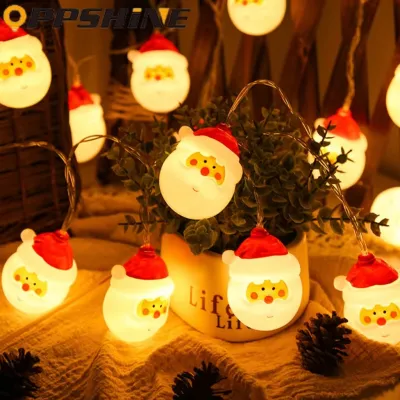
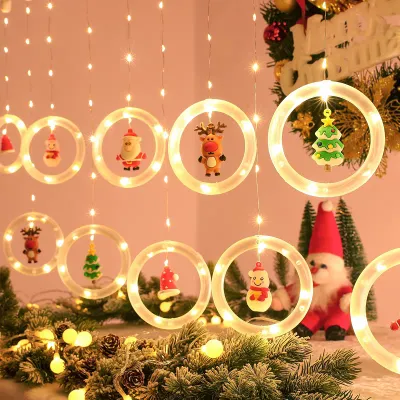
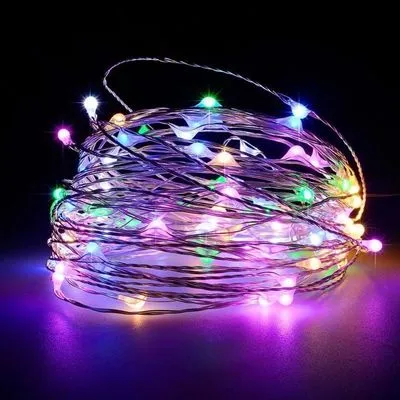
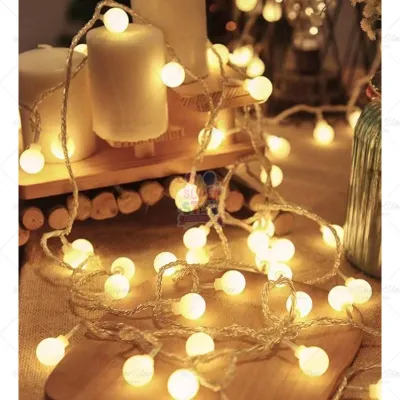
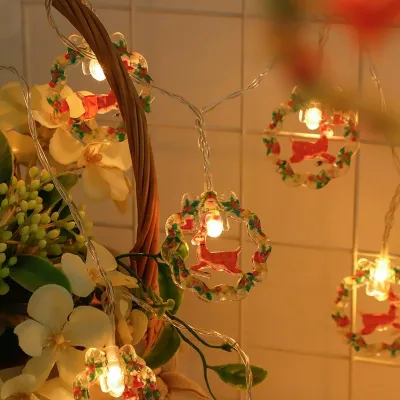
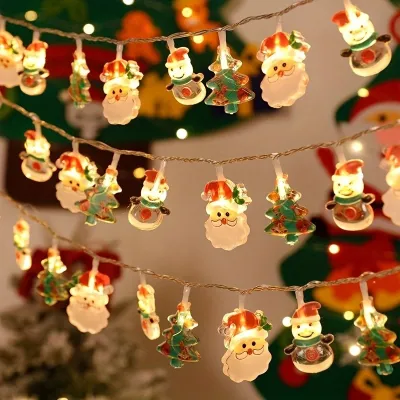

Prices are valid at publication and may change. Please refer to the product page for the latest price.
Finally, consider the overall light output and color temperature of your chosen strands. For a bedroom, the goal is to promote relaxation and prepare your mind for sleep. Opt for warm-white bulbs, typically ranging between 2,700 Kelvin and 3,000 Kelvin, which mimic the gentle glow of candlelight. Avoid excessively bright or cool-white lights, as these can cause glare and make a small room feel stark.
Strategic Placement Ideas for Compact Bedrooms
The placement of your decorative lights determines how they shape the perception of your bedroom’s size and atmosphere. One of the most effective areas to highlight is the bed itself, which serves as the natural focal point of the room. Drape your string lights gracefully along the headboard or weave them through the slats of your bed frame. This creates a soft, localized glow directly behind your head, providing just enough illumination for reading or winding down at the end of the day without the need for a bulky bedside lamp.

Another excellent technique is to outline your window frames or curtain rods. In a compact condo, windows are valuable architectural features that connect the indoors with the outside world. By running a delicate strand of lights along the top or sides of your window frame, you draw the eye outward, creating an illusion of greater depth. During the evening, this framing effect softens the dark glass pane and reflects a warm glow back into the room, making the entire space feel more inviting.
To make a low ceiling feel higher, consider running light strands along the upper perimeters of your walls or right where the wall meets the ceiling. This vertical placement draws the gaze upward, visually lifting the ceiling and opening up the volume of the room. In small bedrooms, this simple trick can counteract the boxy, enclosed feeling that often accompanies high-rise condo living.
For a more localized, layered effect, look for smaller decorative features within the room that can host accent lighting. Wrap thin strands of lights around floating shelves to illuminate books and small decor items, or drape them around a vanity mirror to provide soft, even face-lighting. If you have indoor plants, such as a snake plant or a small monstera that thrives in condo environments, weaving micro-lights through the branches or around the base of the pot can cast beautiful, organic shadows on the walls, adding texture and life to your evening setup.
Styling and Layering Techniques for a Warm Glow
Styling decorative lights in a small bedroom is an art of diffusion and balance. Direct, exposed bulbs can sometimes feel too intense in a tight space, so incorporating textiles is an excellent way to soften the light. Try weaving your string lights behind sheer, lightweight curtains or draping them gently over a macrame wall hanging. The fabric acts as a natural diffuser, scattering the light and transforming individual bright points into a soft, continuous wash of warmth. If your bed features a canopy or a simple fabric headboard, running lights behind these materials can create a dreamy, cloud-like effect.
You can also utilize physical diffusers to house your lights and create unique accent pieces. Placing a coiled strand of micro-lights inside a clear glass jar, a tinted bottle, or a woven rattan lantern turns a simple string of lights into a stylish table lamp or floor accent. These enclosures not only protect the bulbs but also cast intricate patterns of light and shadow across your bedroom surfaces, adding visual interest without requiring permanent wall installations.
When styling themed or shaped lights, such as Santa-themed designs, balance is key to ensuring the room remains sophisticated and comfortable year-round. If your lights feature distinct holiday motifs or vibrant colors, pair them with neutral-toned room accents, such as linen bedding, wooden furniture, and soft beige or gray rugs. This contrast prevents the decorative elements from overwhelming the room’s aesthetic. By blending the playful nature of the lights with classic, high-quality textures, you create a balanced look that feels intentional, cozy, and perfectly suited for daily relaxation.
Safety Checks and Damage-Free Installation
Safety should always be your top priority when installing any electrical decor in your home. Before hanging your lights, carefully inspect the product label and packaging. Verify that the voltage rating matches your condo’s electrical system, which is typically 220V in the Philippines. Ensure the lights carry a recognized safety certification mark and are explicitly rated for indoor use. Check the manufacturer’s specifications for the maximum wattage and the maximum number of strands that can be safely connected together.
Because many condo residents rent their units or wish to preserve their wall finishes, damage-free installation methods are highly recommended. Avoid using nails, tacks, or staples, which can puncture wires and leave permanent holes in concrete or drywall. Instead, opt for high-quality adhesive clips or hooks designed for easy removal. Before applying these clips, clean the wall surface thoroughly with rubbing alcohol to ensure a strong bond, especially in humid tropical climates where moisture can weaken adhesives. For hanging lights across windows or between walls without sticking anything to the paint, tension rods placed inside window frames or closet openings offer a sturdy, completely non-invasive alternative.
To prevent electrical hazards, never daisy-chain more light strands than the manufacturer recommends. Overloading an outlet or a single run of wires can lead to overheating and pose a fire risk. Always route your cords away from heat sources, such as air conditioning units, heaters, or hot electronics. If your installation plan requires modifying your condo’s fixed wiring, installing new wall outlets, or working at heights that require specialized ladders, stop immediately and consult a qualified professional electrician to ensure the work is completed safely and up to local building codes.
Maintenance and Tangle-Free Storage
Proper maintenance and storage will extend the lifespan of your decorative lights and keep them operating safely for years to come. Over time, dust and airborne oils can accumulate on the bulbs and wires, dimming their glow and trapping heat. To clean your lights, always unplug the strand completely from the wall outlet first. Gently wipe down the bulbs and the length of the wire with a dry, clean microfiber cloth. Avoid using wet cloths, liquid sprays, or harsh chemical cleaners, as moisture can seep into the bulb sockets and cause short circuits or corrosion.
Before plugging your lights back in, perform a quick visual inspection. Look closely for any signs of wear, such as fraying insulation, exposed copper wires, loose bulb connections, or cracked plastic housings. If you notice any damage to the cord or the plug, discard the strand immediately rather than attempting a temporary tape repair.
When it is time to take the lights down or reconfigure your space, avoid the temptation to bunch them into a tight ball. Instead, coil the strands loosely around a sturdy piece of cardboard, a clean plastic spool, or return them to their original packaging. This prevents the delicate internal copper wires from bending sharply and breaking, ensuring that your lights will untangle easily and shine brightly the next time you set them up.
Frequently Asked Questions (FAQ)
Can I leave decorative string lights on overnight?
It is generally not recommended to leave decorative string lights running continuously while you sleep. While modern LED lights emit very little heat compared to older incandescent bulbs, any electrical device left unattended for long periods carries a minor risk of overheating or electrical malfunction. Always check the manufacturer’s guidelines regarding continuous run times. To enjoy a cozy ambiance as you fall asleep without worrying about safety or energy consumption, plug your lights into a mechanical timer or a smart plug. You can program these devices to automatically turn the lights off an hour after you go to bed, saving electricity and extending the life of your bulbs.
How do I hide the power cords in a small bedroom?
Managing visible cables is essential for keeping a small condo bedroom looking neat and uncluttered. One effective solution is to use paintable cord covers or cable raceways, which adhere to your walls or baseboards and can be painted to match your wall color exactly. Alternatively, you can route your cords discreetly behind heavy furniture, such as your headboard, wardrobe, or bedside tables. If your layout makes reaching a wall outlet difficult without running long, unsightly cords, consider using battery-operated or USB-powered light strands. These alternatives allow you to place your lights exactly where you want them, using compact power banks hidden behind pillows or decor items to keep the setup completely clean.

Community discussion
Share your experience or ask a question. Comments are reviewed before publication.