
Creating a warm, relaxing sanctuary inside a high-rise condominium does not require a massive renovation or a spike in your monthly electricity bill. You can easily use solar Christmas lights to design a cozy, inviting atmosphere in your bedroom or living room, even if your unit lacks a spacious backyard. By strategically positioning a detached solar panel where it can capture daily sunlight and running the flexible light strands indoors, you can enjoy a soft, ambient glow every evening. This approach transforms a seasonal outdoor decoration into a sustainable, budget-friendly indoor lighting solution tailored for modern urban living.
Solving the Solar Charging Challenge in Limited Spaces
The primary obstacle to using solar-powered lighting inside a condominium is the lack of direct sunlight. Traditional solar lights often feature integrated panels, where the solar cell is directly attached to the light fixture. For indoor styling, integrated models are highly impractical because placing the entire light string next to a window limits your decorating options. Instead, look for split-panel solar Christmas lights. These systems separate the solar panel from the LED string using a thin, durable extension cable, allowing you to position the solar panel outdoors in a high-sunlight area while routing the decorative lights deep into your living room or bedroom.
To maximize energy collection, you must identify the optimal placement for the detached solar panel. In a condo, your best options are open balconies, wide window sills, or secure exterior-facing ledges. If your balcony faces east or west, you can capture several hours of direct morning or afternoon sun. Securing the panel to the balcony railing using heavy-duty zip ties ensures it remains stable against high winds while receiving unobstructed exposure to the sky.
Products mentioned in this guide
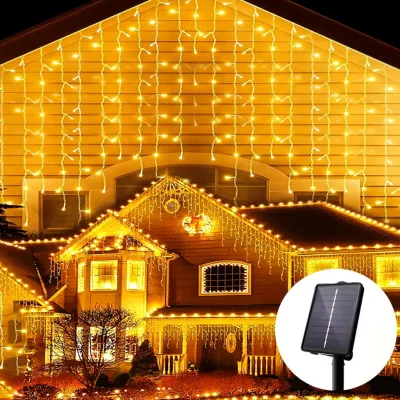
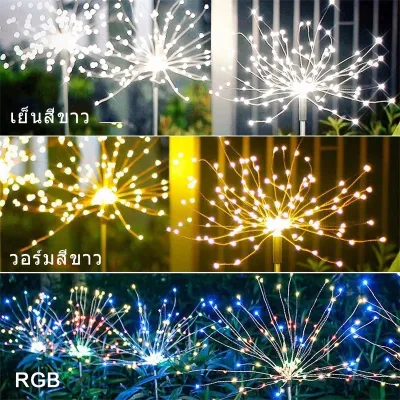
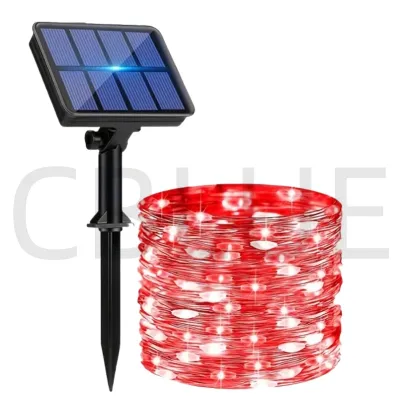
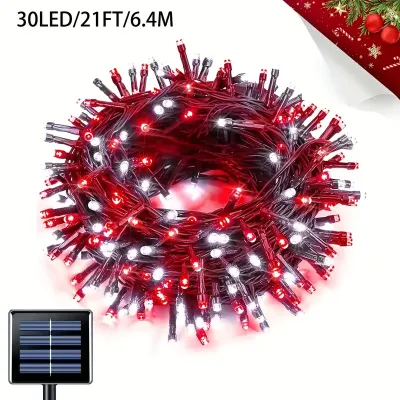
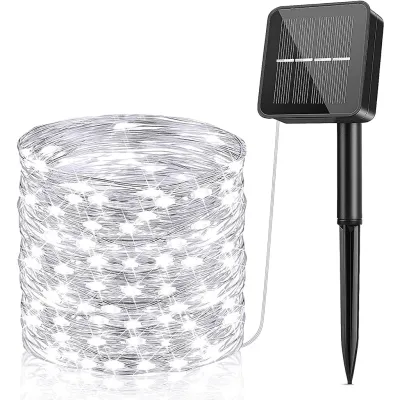
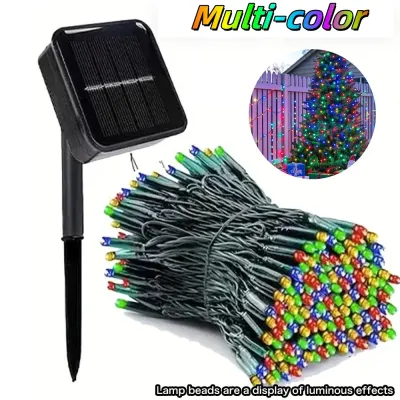
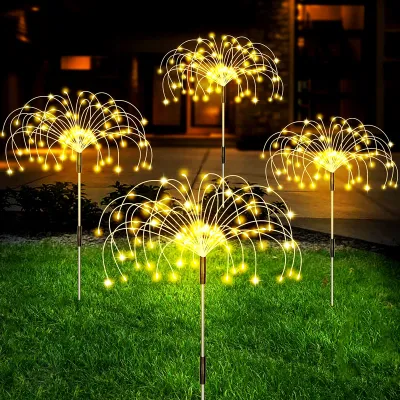
Prices are valid at publication and may change. Please refer to the product page for the latest price.
It is tempting to simply place the solar panel on an indoor window sill behind closed glass to protect it from the elements. However, the physics of solar charging through window glass significantly reduces efficiency. Modern residential glass windows, especially those with low-emissivity (Low-E) coatings or tints common in high-rise developments, are designed to reflect infrared light and filter out ultraviolet (UV) radiation. Because solar panels rely on these specific spectrums of light to generate electricity, charging through a glass pane can reduce the panel’s power output by 30% to 50% or more. To achieve a complete charge that keeps your indoor lights glowing for hours, the solar panel must have direct, unobstructed outdoor exposure.
Living in a tropical climate like the Philippines introduces specific seasonal challenges that you must factor into your solar lighting setup. During the wet season, characterized by the southwest monsoon (Habagat) from June to October, consecutive cloudy, overcast, or rainy days are common. Because solar panels require direct sunlight to charge at peak efficiency, diffused light on rainy days will result in a much slower energy transfer. During these months, the built-in rechargeable batteries may only receive a partial charge, leading to a significantly reduced runtime at night. Managing your expectations during the rainy season is essential; you may need to turn the lights off manually on particularly gloomy days to allow the battery to accumulate a deeper charge over two or three days.
Key Features to Look for in Indoor Solar Christmas Lights
Transitioning outdoor solar Christmas lights to an indoor setting requires a shift in how you evaluate product specifications. Outdoor holiday displays often prioritize high-visibility brightness and flashing patterns, but indoor ambient lighting demands a softer, more controlled aesthetic.

The first specification to consider is color temperature, measured in Kelvin (K). For a cozy, calming environment that helps you unwind after a long day in the city, select lights with a warm white color temperature, typically between 2700K and 3000K. This range mimics the gentle, golden glow of traditional incandescent bulbs or candlelight. Avoid cool white options (5000K to 6500K), which emit a stark, blue-toned light that can feel clinical and disrupt your body’s natural sleep cycle, or bright multicolor strings that feel too festive for year-round relaxation.
Wire length and LED density are equally critical when decorating compact condo spaces. In a cozy bedroom or living room, excessively long strands of 100 meters or more can quickly become a tangled, cluttered mess. Shorter strands—ranging from 5 to 15 meters—are much easier to manage and style. Look for strands with a higher LED density, meaning the light bulbs are spaced closer together (about 5 to 10 centimeters apart). This configuration provides a concentrated, continuous line of light without requiring you to double back or loop excessive trailing wires around your furniture.
While browsing online marketplaces for solar Christmas lights, you will frequently see IP (Ingress Protection) ratings. The solar panel itself must have a high weatherproofing rating, such as IP65 or IP44, to withstand heavy tropical downpours and dust on your balcony. However, the indoor light string does not need heavy-duty waterproofing. Outdoor-rated wires are often coated in thick, rigid green or black PVC to protect them from ground moisture. For indoor use, look for copper wire or silver wire fairy lights. These ultra-thin, flexible metallic wires can be bent, shaped, and draped gracefully over delicate indoor decor without looking bulky or stiff.
Finally, pay close attention to the available lighting modes on the solar controller. Many solar Christmas lights default to flashing, chasing, or strobing modes when they turn on. For everyday ambient lighting, a reliable “steady-on” mode is non-negotiable. Constant flashing can cause eye strain and prevent the relaxed, meditative atmosphere you want to establish in your living space. Ensure the model you purchase has a built-in memory function that remembers your preferred steady-on setting, saving you from manually cycling through flashing modes every evening.
Cozy Bedroom Styling Ideas with String Lights
The bedroom is your personal sanctuary, making it the perfect canvas for soft, low-intensity lighting. Because quality solar Christmas lights utilize low-voltage LED technology, they produce virtually no heat during operation. This makes them exceptionally safe to drape over or near various fabrics, such as cotton, linen, or polyester, without posing a fire hazard. Always verify the manufacturer’s safety instructions to ensure your specific light model is rated for close contact with household textiles.
One of the most elegant ways to style these lights is by draping them over your headboard or weaving them through a bed canopy. If you have a wooden or metal slatted headboard, you can loosely wrap the copper wire strands around the vertical posts to create a delicate, glowing frame. For upholstered headboards, draping the lights along the top edge creates a soft crown of light. If you have a canopy bed, weaving the micro-LEDs through sheer fabric panels diffuses the light beautifully, mimicking a starry night sky directly above your bed.
Another popular technique is curtain integration. By running the light strand along your existing curtain rod or hiding it behind a window pelmet, you can create a stunning backlit effect. Placing the lights behind sheer, semi-transparent curtains allows the fabric to act as a natural diffuser, softening the individual points of light into a continuous, gentle glow. This indirect lighting method is perfect for winding down in the evening, as it eliminates harsh glare and casts soothing shadows across the room.
If you prefer a more localized, portable accent light, consider containment decor. You can bundle a short strand of copper wire solar lights inside a clear glass jar, a vintage lantern, or a loosely woven rattan basket placed on your nightstand. Gathering the lights together in a single container concentrates their glow, creating a safe, self-contained accent lamp. This setup serves as a beautiful, low-intensity nightlight that guides you in the dark without waking your partner or requiring you to turn on bright overhead fixtures.
Warm Living Room Arrangements for Everyday Ambiance
In the living room, solar Christmas lights can be used to elevate your daily decor, ensuring the space feels warm and inviting throughout the year rather than looking like a temporary holiday setup. The key is integration—blending the lights naturally with your existing furniture and accessories.
Indoor plants are an excellent vehicle for this styling approach. If you have large potted plants, such as a Monstera, a fiddle-leaf fig, or a snake plant, you can gently wrap the flexible copper wire lights around the main stems or drape them over the leaves. Alternatively, if you have a multi-tiered plant shelf, weaving the string lights through the shelves highlights your greenery after dark. The warm light filtering through the leaves casts dramatic, organic shadows on your condo walls, adding depth, texture, and a touch of nature to your indoor environment.
You can also use solar lights to create sophisticated backlighting along your shelving and media displays. Running a strand of lights along the back edges of bookshelves, floating shelves, or your television console washes the wall behind them in a soft glow. This indirect lighting technique reduces the contrast between a bright TV screen and a dark room, which helps alleviate eye strain during late-night movie sessions. Because the light source itself remains hidden behind the furniture, you enjoy a clean, modern look with zero direct glare.
To make a compact condo living room feel larger, consider framing your wall art or large mirrors with light. Using small, removable adhesive clips, you can trace the perimeter of a large wall mirror or a gallery wall of framed photos. When the lights turn on, the mirror reflects the warm glow back into the room, visually doubling the light output and creating the illusion of a more open, spacious layout. This simple design trick adds a high-end, gallery-like feel to your living space using affordable, solar-powered accents.
Safety, Placement, and Maintenance Best Practices
While solar-powered LED lights are inherently low-voltage and safe, proper installation and maintenance are essential to protect your home, your family, and your rental deposit. Taking a few proactive steps ensures your cozy setup remains functional and hazard-free for years to come.
Cable management is a primary safety concern in compact condo layouts where space is limited. Ensure that the thin extension cable running from your outdoor solar panel to the indoor light strand is secured properly. Never lay loose wires across high-traffic walking paths where they can present a tripping hazard. Avoid running cables under heavy furniture legs or tight area rugs, as constant friction and pinching can damage the internal wiring, leading to short circuits. Instead, run the cable neatly along baseboards using clear cord clips or paint-safe tape.
Proper care of the solar panel and battery compartment is also vital for longevity. If you place the solar controller or battery pack on a sun-baked concrete balcony ledge, try to position it in a spot that receives shade during the hottest afternoon hours, or ensure the housing is rated for high-temperature exposure. Extreme heat can degrade rechargeable lithium-ion or NiMH batteries prematurely, reducing their overall lifespan. Additionally, urban environments in the Philippines can be dusty. Wipe the surface of the solar panel with a damp microfiber cloth every few weeks to remove accumulated dust, soot, and bird droppings, which can block sunlight and severely impact charging efficiency.
If you are renting your condo, avoid using nails, staples, or permanent mounting tape to secure your lights, as these can damage drywall and peel away paint, leading to deductions from your security deposit. Instead, opt for rental-friendly installation tools. Removable adhesive hooks, lightweight tension rods inside window frames, or reusable adhesive putty (such as blu-tack) are excellent alternatives. These options provide a secure hold for lightweight fairy lights and can be removed cleanly without leaving a trace when it is time to move out.
Frequently Asked Questions (FAQ)
Do solar Christmas lights work on rainy or cloudy days?
Yes, solar Christmas lights will still turn on during rainy or cloudy days, but their performance will be affected. The built-in rechargeable batteries store energy from previous sunny days, but without direct sunlight, the panel cannot generate enough electricity to fully recharge the battery. During the tropical rainy season, you can expect the lights to shine for a much shorter duration—often only one to three hours—compared to the eight or more hours of runtime achieved after a bright, sunny day.
Can I leave solar fairy lights on all night?
Most solar fairy lights are equipped with automatic dusk-to-dawn sensors that turn the lights on as soon as the sun sets. While you can leave them on, they will typically not stay illuminated through the entire night. Once the stored battery power is completely depleted, the lights will turn off automatically. If the panel received a full, direct charge during the day, the lights may last for six to eight hours, but they will naturally fade out before morning as the battery empties.

Community discussion
Share your experience or ask a question. Comments are reviewed before publication.