
Using solar curtain lights to create a cozy, ambient bedroom in a high-rise condominium is an excellent way to soften a compact space without increasing your monthly electricity bill. By hanging these delicate strands of light behind your sheer curtains or along your window frame, you can transform a sterile room into a warm, relaxing sanctuary. Success depends on matching your condo’s specific window exposure to the charging needs of the solar panel, selecting the right light specifications, and mounting the setup safely without violating renter guidelines or drilling into concrete walls.
Evaluating Sunlight and Space in Your Condo Bedroom
Before purchasing a solar curtain light set, you must assess whether your condo bedroom receives enough natural light to power the system. In high-rise developments, window orientation dictates your daily solar harvest. East-facing windows receive strong morning light, while west-facing windows benefit from intense afternoon sun, both of which are generally excellent for charging. North- or south-facing windows, however, may receive indirect light that limits charging efficiency, requiring a more sensitive solar panel or longer exposure times.
You also need to measure your window dimensions and inspect the existing window frame setup. Measure the height from your curtain rod to the floor, as well as the total width of the window frame, to ensure the light strands do not pool excessively on the floor or bunch up awkwardly. Check if your current curtain rod has enough clearance to accommodate an extra set of hanging clips or if you need to install a secondary lightweight tension rod specifically for the light strands.
Products mentioned in this guide
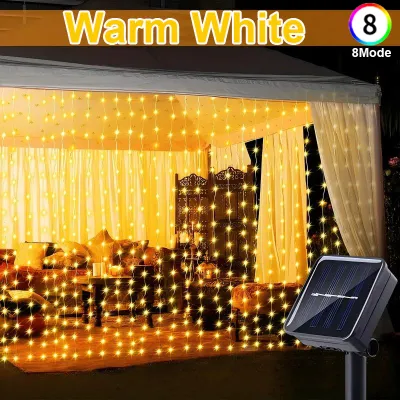
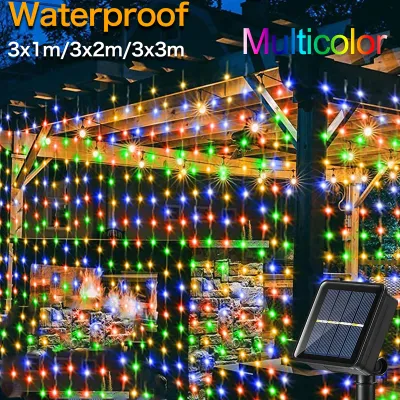
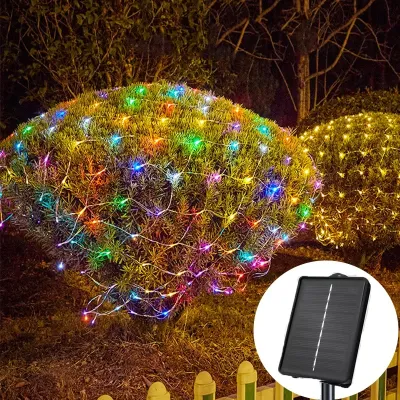
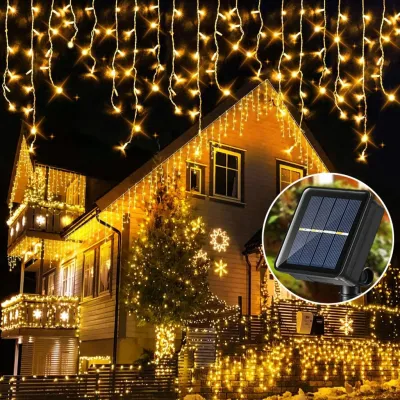
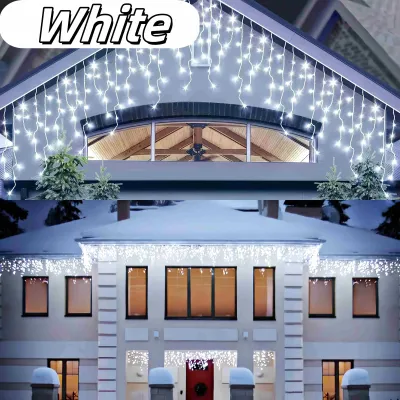
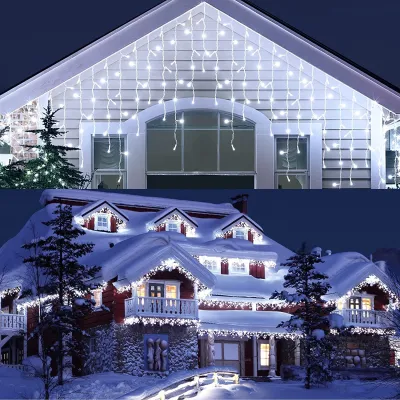
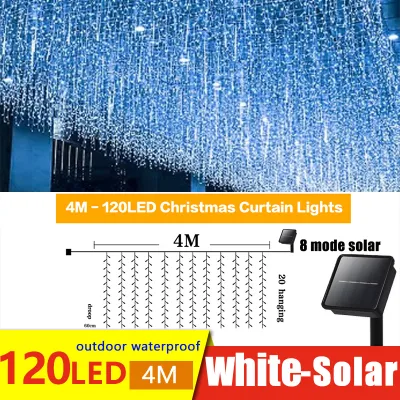
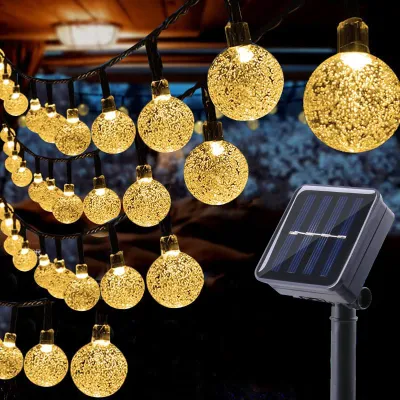
Prices are valid at publication and may change. Please refer to the product page for the latest price.
Finally, look out for external obstructions that are common in dense urban areas. Nearby residential towers, deep concrete eaves, balcony overhangs, and even heavy tinted window films can block the specific wavelengths of light needed to charge solar batteries. If your bedroom window is permanently shaded by an adjacent building, you may need to choose a model with a detachable solar panel that can be positioned further out on a balcony railing where direct sunlight is available.
Selecting Solar Curtain Lights for a Relaxing Glow
Achieving the perfect bedroom ambiance requires careful attention to the technical specifications of the lights, starting with color temperature. For a bedroom, warm white lights (typically rated between 2200K and 2700K) are highly recommended because they mimic the soft glow of sunset, helping your mind wind down and prepare for sleep. Avoid cool white or blue-toned lights (above 4000K) in the sleeping area, as these wavelengths can suppress melatonin production and disrupt your natural sleep cycle.

Next, evaluate the physical layout of the light set by checking the manufacturer’s specifications for wire length, LED density, and drop lengths. A high-quality solar curtain light set should have enough lead wire—the unlit segment between the solar panel and the first light strand—to allow you to place the panel in the window while keeping the control box hidden. Look for a drop length that matches your window height, and choose an LED density that provides a soft, scattered glow rather than an overwhelming, bright glare.
Because these lights rely on a self-contained power source, check the product packaging or manual for battery capacity indicators, usually measured in milliampere-hours (mAh). A larger battery capacity allows the lights to run longer into the night, even after a partially cloudy day. Additionally, if you plan to keep your bedroom window open to catch a tropical breeze, verify that the solar panel and its connections carry an appropriate weatherproofing rating, such as IP44 or higher, to protect the electronics from sudden rain showers or high humidity.
Safe Installation and Placement in Compact Rooms
Condo living often means working with strict renter rules that prohibit drilling into walls or window frames. To hang your curtain lights safely and damage-free, utilize lightweight tension rods that fit securely inside the window recess, or use high-quality adhesive utility hooks designed for clean removal. If you are hanging the strands directly on an existing curtain setup, small plastic curtain rod clips can slide easily along the rod without interfering with your main drapes.
Positioning the solar panel correctly is the most critical step for consistent performance. If your light set features a detachable solar panel, mount the panel directly against the window glass using suction cups, or place it on the window sill where it receives the longest duration of unobstructed sunlight. Run the thin extension cable neatly along the side of the window frame, securing it with clear cable clips to keep the installation looking professional and tidy.
Managing the loose wires and drop strands is essential to prevent safety hazards in a compact bedroom. Ensure that the bottom of the light strands hangs at least a few centimeters above the floor to avoid tripping hazards or tangling with vacuum cleaners. If you have sliding closet doors or active curtain tracks nearby, route the main horizontal cable well away from these moving parts to prevent the wires from getting pinched, frayed, or severed.
Before hanging the entire light assembly, always verify the weight capacity of your adhesive hooks and ensure the mounting surface is completely clean. Wipe the window frame or wall with rubbing alcohol to remove dust and oils, allowing it to dry fully before applying the adhesive. Press the hooks firmly for at least thirty seconds and wait the manufacturer-recommended curing time before draping the wires, ensuring the setup remains secure over time.
Maintaining Battery Health and Light Performance
To keep your solar curtain lights glowing brightly night after night, establish a simple routine to maintain the solar panel and battery. Dust, pollen, and condensation from air conditioning units can quickly accumulate on the face of the solar panel, blocking sunlight and reducing charging efficiency. Wipe the panel surface gently with a damp microfiber cloth every few weeks to keep the photovoltaic cells operating at their peak.
As the seasons change, the angle of the sun shifts, which can alter how light enters your condo window. Periodically adjust the tilt of your solar panel to face the sun as directly as possible during peak daylight hours. In tropical regions, this adjustment might be minor, but keeping the panel perpendicular to the incoming rays ensures you capture the maximum amount of solar energy daily.
Monitor the performance of the rechargeable battery over time by observing how long the lights stay illuminated after a sunny day. If the lights begin to dim significantly faster than they did when new, consult the manufacturer’s manual to see if the internal battery is user-replaceable. Many solar units use standard rechargeable AA or AAA NiMH batteries, which can be easily swapped out to extend the overall lifespan of your light set.
During extended periods of heavy rain, typhoons, or persistent overcast skies, it is wise to turn the lights off using the main power switch or store them temporarily. Allowing the battery to drain completely and remain uncharged for several days can cause deep discharge damage, permanently reducing its capacity. Storing the unit safely during prolonged bad weather preserves the battery chemistry for when the sunny weather returns.
Troubleshooting Dim or Unresponsive Solar Lights
If your solar curtain lights fail to turn on at dusk, the most common culprit is an obstructed light sensor. Most solar panels have an integrated sensor that detects ambient light levels to determine when to switch on. If your bedroom has bright indoor lamps, streetlights shining through the window, or even a nearby television screen, the sensor may perceive the room as still being daytime; try repositioning the panel or shading the sensor to test if the lights activate.
When the lights turn on but appear dim or last only a short time, the cause is usually insufficient daily charging. Check the solar panel for any temporary shading from window frames, outdoor plants, or laundry hanging on a nearby balcony. If the window glass is heavily tinted or has a low-emissivity (Low-E) coating, it may block the specific light spectrum required for charging, meaning you may need to temporarily place the panel outside on a window ledge or balcony during the day.
Intermittent flickering is often a sign of a loose physical connection or minor moisture ingress within the control box or wire splices. Inspect the entire length of the wire for any visible pinches, cuts, or loose plugs where the strands connect to the solar panel. If you suspect moisture has entered the panel casing after a heavy rain storm, turn the unit off, disconnect the components if possible, and allow them to dry completely in a warm, dry indoor spot before turning them back on.
If the lights remain completely unresponsive after you have cleaned the panel, verified the battery connections, and ensured the sensor is in total darkness, the internal circuitry may have reached the end of its operational life. Avoid attempting to dismantle sealed electronic components or modifying the wiring beyond the manufacturer’s instructions, as this can compromise electrical safety. When basic troubleshooting steps fail, it is safest to replace the solar unit with a new, certified model.
Frequently Asked Questions (FAQ)
Can solar curtain lights charge on a shaded condo balcony or window?
Yes, solar panels can still charge in shaded areas or under indirect light, but the charging process will be significantly slower and less efficient than under direct sunlight. To ensure your lights have enough power to run through the evening, look for product labels that specify low-light or amorphous solar panel technology, which performs better in partial shade. Alternatively, choose a model with a detachable solar panel and use an extension cable to place the panel in the sunniest spot available on your balcony or window sill.
Are solar curtain lights safe to leave on fabric curtains overnight?
Generally, yes, because high-quality LED curtain lights emit very little heat compared to traditional incandescent bulbs, making them safe to drape over standard fabric curtains. However, you must ensure that the solar panel’s integrated battery pack and control box are positioned in a well-ventilated area rather than wrapped tightly inside heavy fabric folds or resting directly on highly flammable materials. Always inspect the wires periodically for any signs of wear, fraying, or heat buildup to maintain a safe sleeping environment.

Community discussion
Share your experience or ask a question. Comments are reviewed before publication.