
Verifying the authenticity of a Bosca 100W solar light requires a close inspection of its physical build, packaging details, solar panel dimensions, and retail source. With the rising popularity of solar-powered illumination for outdoor spaces, gardens, and condo balconies, counterfeit products have increasingly slipped into online marketplaces. These imitation units often mimic the external appearance of genuine models but fail to deliver the same electrical safety, weatherproofing, and battery performance. By systematically checking the product’s weight, wiring connections, and certification labels, you can ensure your purchase is a genuine, safe, and reliable addition to your home.
In tropical environments where heavy rains, high humidity, and intense heat are common, choosing a genuine solar light is a critical step in maintaining a safe residential environment. Fake solar lights often cut corners on internal components, leading to premature failure or safety hazards. Understanding how to distinguish a genuine unit from a counterfeit alternative protects your investment and ensures your outdoor space remains reliably illuminated.
Why Authenticity Matters for Outdoor Solar Lighting
Using counterfeit solar lights on a condo balcony or in an open garden introduces serious safety hazards, primarily stemming from uncertified lithium-ion batteries and substandard internal wiring. Genuine manufacturers must adhere to strict electrical safety standards, incorporating protective circuits that prevent overcharging, short-circuiting, and thermal runaway. Counterfeit units, however, frequently utilize recycled or low-grade batteries that lack these essential safety fuses. Under the intense heat of a tropical afternoon, these uncertified batteries can swell, leak corrosive chemicals, or overheat, posing a direct fire risk to nearby balcony furniture, wooden decking, or decorative plants.
Products mentioned in this guide
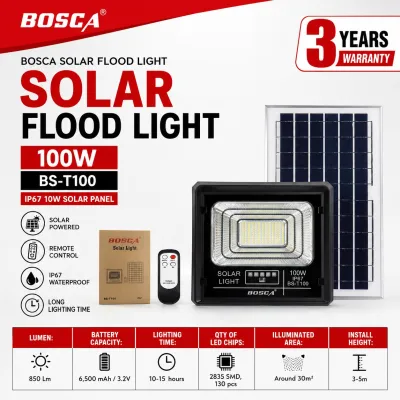
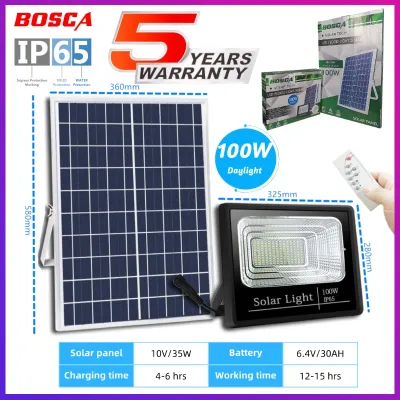
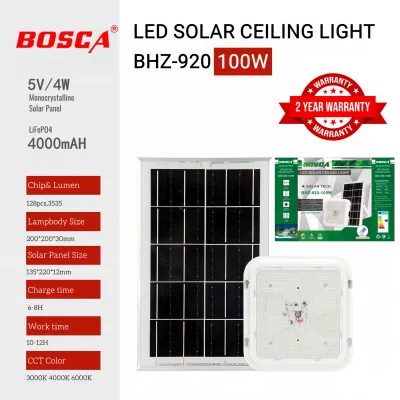
Prices are valid at publication and may change. Please refer to the product page for the latest price.
Durability is another major concern when dealing with imitation solar fixtures. Outdoor lighting must withstand constant exposure to the elements, including driving rain and high humidity. Genuine models feature robust weatherproofing seals and carry verified Ingress Protection (IP) ratings to prevent water from entering the housing. Counterfeits often feature poorly aligned seams, thin rubber gaskets, or cheap plastic casings that degrade rapidly under ultraviolet exposure. Once moisture penetrates the housing, it corrodes the internal circuitry, leading to flickering, permanent battery failure, or electrical shorts within a few weeks of installation. When installing solar lights at a height on a balcony or in damp outdoor areas, always follow the manufacturer’s mounting instructions, ensure secure fastening to prevent falling hazards, and consult a qualified professional if integrating with existing electrical systems.
Furthermore, there is a stark discrepancy between the actual light output of a counterfeit unit and its exaggerated marketing claims. A fake “100W” solar light often performs closer to a low-wattage accent light because it uses cheap, low-efficiency LEDs and a severely undersized battery. Instead of providing bright, consistent illumination throughout the night, these imitation lights dim rapidly after only a few hours of operation. This poor performance defeats the purpose of installing a reliable security or ambient light, leaving your outdoor paths or balcony in the dark when you need illumination most.
Physical and Packaging Checks for the Bosca 100W
Identifying a counterfeit solar light begins the moment the package arrives. Genuine packaging is constructed from sturdy, high-grade cardboard designed to protect the heavy components inside during transit. Inspect the exterior box carefully for crisp, high-resolution printing, accurate color reproduction, and clear branding. Counterfeit boxes often exhibit blurry text, faded logos, or spelling errors in the product descriptions and technical specifications. Additionally, look for intact security seals or holographic stickers that indicate the package has not been tampered with since leaving the factory.

The physical build quality of the light housing and its accessories provides immediate tactile clues regarding authenticity. A genuine 100W solar light typically features a solid, heavy-duty housing made of die-cast aluminum or high-impact, UV-resistant polycarbonate designed to dissipate heat efficiently. When you hold the unit, it should feel substantial and rigid. In contrast, counterfeit models often utilize thin, lightweight plastic that flexes easily under hand pressure. Examine the seams of the light housing; they should be properly aligned with no visible gaps, excess glue, or rough plastic edges that suggest hasty assembly.
The solar panel frame and mounting brackets also warrant close inspection. Genuine solar panels are encased in a sturdy, anodized aluminum frame with clean, reinforced corners to withstand strong winds and heavy rainfall. The mounting brackets should be made of thick, rust-resistant metal rather than thin, easily bendable sheet metal. Finally, check the back of the light housing and the solar panel for official specification stickers. Genuine units feature professionally printed labels containing specific model numbers, electrical ratings, safety certification marks, and manufacturer contact details, whereas fakes often have generic, crookedly applied stickers with vague information.
Evaluating Specifications and Performance Claims
Cross-referencing the physical dimensions of the solar panel against official standards is one of the highly reliable ways to spot a counterfeit. A true 100W solar light requires a relatively large, high-efficiency solar panel to capture enough sunlight to fully charge its internal battery during the day. If the solar panel included in your kit is unusually small—comparable to the size of a standard notebook—it physically cannot generate the wattage necessary to power a genuine 100W light. Compare the measurements of the panel you received with the official specifications provided by authorized distributors to verify they match.
The battery compartment and its associated wiring also reveal the true quality of the device. If the design allows you to safely inspect the battery compartment or the external wiring connections, look for proper labeling and robust construction. Genuine solar lights utilize thick, heavily insulated cables with waterproof, screw-lock connectors to link the solar panel to the light fixture. Counterfeit units often use thin, flimsy wires that are easily pinched or severed, lacking the necessary weatherproofing sleeves at the entry points. This exposes the internal wiring to moisture, leading to rapid corrosion and electrical failure.
Weight is another critical indicator that cannot be easily faked. The combination of a high-capacity lithium battery, a solid metal housing, and a glass-covered solar panel gives a genuine 100W solar light kit a distinct, heavy feel. If the entire package feels surprisingly light, it is highly likely that the manufacturer used a much smaller, lower-capacity battery and substituted metal components with cheap plastic. Always check the product weight listed in official documentation and compare it to the physical item you receive to identify these discrepancies.
Official Verification and Safe Purchasing Channels
To protect yourself from counterfeit products, it is highly recommended to utilize official verification tools whenever they are available. Some manufacturers include unique serial numbers, scratch-off verification codes, or QR codes on the product packaging or the device itself. You can enter these codes directly into the manufacturer’s official website or customer service portal to confirm whether the item is registered in their database. If a seller refuses to provide photos of these verification marks or if the code returns an error on the official site, do not proceed with the purchase.
Selecting the right purchasing channel is your primary line of defense against scams. When shopping on major online marketplaces or e-commerce platforms, always look for official brand flagship stores or verified, authorized distributors. These sellers are typically marked with platform-specific trust badges, indicating they have submitted official business documentation and product authenticity guarantees to the platform. Avoid buying from third-party sellers who have newly created profiles, lack a history of positive customer feedback, or operate under generic, randomized usernames.
Be highly skeptical of online listings that feature unrealistically low prices. If a listing offers a “100W solar light” at a fraction of the standard retail price found on official brand stores, it is almost certainly a counterfeit or a much lower-specification model mislabeled as a 100W unit. Additionally, analyze the product listing for real, user-submitted photos in the review section. If the seller only uses generic stock images and lacks actual customer photos showing the packaging and physical build, it is safer to look for another source.
Steps to Take If You Receive a Suspected Fake
If you suspect that the solar light you received is a counterfeit, the first step is to document everything immediately. Before attempting to install or turn on the device, take clear, well-lit photographs of the packaging from all angles, focusing on any blurry text, misspelled words, or damaged security seals. Take close-up photos of the light fixture, the solar panel, the wiring connectors, and any specification stickers. If possible, record a brief video showing the unboxing process and highlighting the specific physical red flags, such as flimsy plastic construction or incorrect dimensions.
Next, initiate a dispute through the e-commerce platform where you made the purchase. Most major online marketplaces have robust buyer protection policies that allow you to request a full refund if you receive a counterfeit item. Submit your documented photos and videos as evidence, clearly explaining the discrepancies between the advertised genuine product and the item you received. Do not confirm receipt of the order or complete the transaction on the platform until the dispute resolution team has reviewed your case and processed your refund.
Finally, report the unauthorized seller to the official brand’s customer support team. Providing the brand with the seller’s store name, product listing link, and photos of the counterfeit packaging helps them take legal action to remove the fraudulent listings from the platform. This not only protects your consumer rights but also prevents other buyers from falling victim to the same counterfeit schemes, contributing to a safer online shopping environment for everyone.
Frequently Asked Questions (FAQ)
Can a fake solar light cause electrical issues on my balcony?
Yes, a counterfeit solar light can pose significant electrical and safety risks when installed on a balcony or near residential spaces. Because fake units often bypass safety certifications, they frequently contain low-quality lithium batteries that lack overcharge and thermal protection. In the intense heat of a tropical balcony, these substandard batteries can swell, rupture, or catch fire. Additionally, poor internal wiring and inadequate weatherproofing can lead to short circuits when exposed to rain, potentially damaging nearby electrical outlets or creating a fire hazard near flammable balcony decor.
Do original Bosca solar lights always come with a remote control?
Original Bosca 100W solar lights typically include a dedicated remote control to allow users to adjust brightness levels, set timers, and switch between operating modes. However, you should always cross-reference the official product manual or authorized listing for your specific model to confirm the exact list of included accessories. If the remote control included in your package is unbranded, feels exceptionally flimsy, or is missing entirely from a kit that specifies its inclusion, this is a strong secondary red flag that the product may be a counterfeit.

Community discussion
Share your experience or ask a question. Comments are reviewed before publication.