
Verifying the authenticity of a Bosca 100W solar light requires a systematic inspection of its packaging, physical construction, and official security features. In tropical climates where heavy seasonal rains and intense heat are common, installing a counterfeit outdoor light can lead to rapid product failure or even electrical hazards. By learning how to identify genuine manufacturing details, you can protect your investment and ensure your outdoor spaces remain safely illuminated.
Why Counterfeit Outdoor Solar Lights Are a Risk
Counterfeit outdoor solar lights present significant safety and performance hazards, particularly when exposed to challenging weather conditions. In regions with high humidity and frequent downpours, poorly sealed fixtures allow moisture to seep into the internal electronics. This water ingress can cause short circuits, rapid corrosion of the wiring, and premature failure of the light fixture.
Furthermore, counterfeit units often use substandard lithium batteries without proper battery management systems. Under the intense heat of the tropical sun, these low-quality batteries can overheat, swell, or even pose a fire risk. Genuine manufacturers design their battery compartments to withstand high ambient temperatures and regulate charging cycles safely.
Products mentioned in this guide
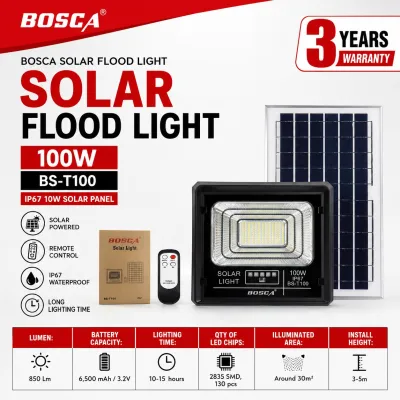
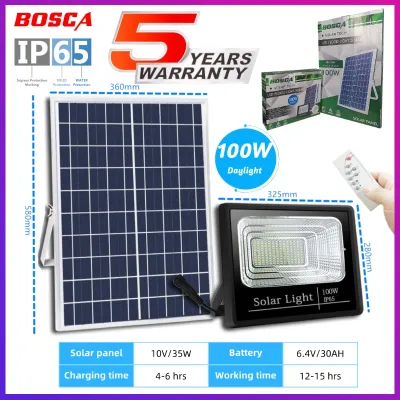
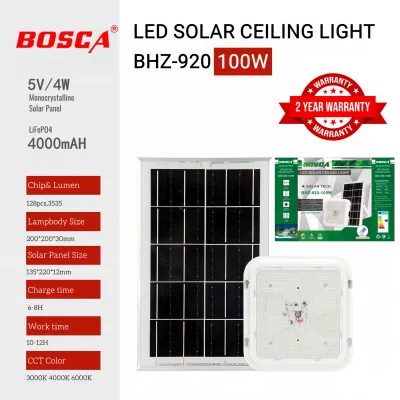
Prices are valid at publication and may change. Please refer to the product page for the latest price.
From a performance standpoint, fake solar lights rarely deliver their advertised wattage or lumen output. A counterfeit labeled as a 100W unit may only provide the illumination of a much smaller, lower-wattage light, leaving your garden, driveway, or pathway dim and insecure. While some users may prefer a warmer or cooler color temperature for their garden’s decorative style, a counterfeit light often fails to provide any consistent spatial effect due to unstable power delivery. Additionally, these imitation products do not come with valid manufacturer warranties, meaning you will have no recourse or customer support when the unit inevitably fails.
Inspecting Packaging and Physical Labels for Authenticity
Before you even open the box, a close examination of the packaging can reveal whether a solar light is genuine. Authentic manufacturers invest in high-quality, sturdy cardboard packaging with sharp, high-resolution printing. Counterfeit products often arrive in flimsy boxes with blurry images, faded colors, or noticeable spelling and grammatical errors in the product description.

Pay close attention to the branding and logo placement on the box. Look for any subtle alterations in the font, spacing, or color scheme of the logo, which counterfeiters often use to evade trademark issues while still tricking casual buyers. The specifications on the box should also match the product inside perfectly, listing the correct 100W capacity, voltage requirements, and official certification marks.
Inside the packaging, a genuine Bosca solar light will include a comprehensive, well-printed user manual and high-quality mounting accessories. If you find a poorly photocopied instruction sheet, missing hardware, or flimsy, lightweight mounting brackets that bend easily under hand pressure, you are likely dealing with a counterfeit. Legitimate packages ensure that all necessary installation components are robust and clearly documented.
Evaluating Build Quality and Material Finish
The physical construction of the light fixture is one of the most reliable indicators of its authenticity. Genuine 100W solar lights are built with durable, weather-resistant housing materials designed to withstand prolonged outdoor exposure. When handling the fixture, check for a solid, substantial feel; the casing should not flex or creak when light pressure is applied.
Examine the seams and joints of the housing where the lens meets the body. Authentic units feature precise, uniform sealing gaskets that prevent water and dust from entering the optical and electrical compartments. If you notice uneven gaps, visible glue residue, or misaligned plastic or metal edges, the fixture has not undergone rigorous quality control and is likely an imitation. When installing your solar light at a height or in damp outdoor areas, always follow the manufacturer’s installation instructions, ensure the mounting structure is secure, and consult a qualified professional if you are unsure about structural stability.
The solar panel itself requires careful inspection. Genuine panels feature clean, uniformly aligned solar cells with straight grid lines and secure, weatherproof cable connections. Counterfeit panels often have misaligned cells, visible scratches on the protective glass, or flimsy wiring connections that can easily break during installation or under strong winds. Additionally, inspect the LED array under the lens cover; the LEDs should be neatly aligned on the circuit board without any signs of manual soldering defects or dust trapped inside the lens.
Using Official Channels to Verify Your Bosca Light
To confirm the authenticity of your purchase beyond doubt, utilize the manufacturer’s official verification channels. Genuine Bosca products typically feature unique identifiers, such as serial numbers, QR codes, or holographic security stickers on the product body or the packaging. These security features are difficult for counterfeiters to replicate accurately.
Locate the QR code or security sticker and use your smartphone to scan it. Authentic codes should direct you to an official, secure manufacturer domain that confirms the product’s serial number is registered and genuine. Be cautious if the scan directs you to an unsecured website, a generic landing page, or a domain with a suspicious URL that does not match the official brand website.
If you remain uncertain, contact the official customer service department through their verified website or authorized social media channels. Provide them with the serial number and photos of the product labels for direct verification. Cross-referencing your physical unit’s design, dimensions, and included accessories with the official product catalog is another effective way to spot discrepancies in design or specifications.
Where to Buy to Avoid Fake Solar Lights
The most effective way to avoid counterfeit solar lights is to purchase them exclusively from reputable, authorized sellers. Prioritize official brand stores, authorized physical dealers, and well-established hardware chains in the Philippines. Buying directly from these sources ensures that you receive a genuine product backed by an official manufacturer warranty.
When shopping on popular e-commerce platforms or online marketplaces, exercise extra caution. Look for verified seller badges, such as official mall or preferred store indicators, which signify that the seller’s business credentials have been vetted. Read through customer reviews carefully, paying close attention to verified purchase reviews that include real photos and videos of the product and packaging.
Be highly skeptical of listings offering prices that seem too good to be true. While online discounts are common, a genuine 100W solar light requires quality materials, batteries, and solar cells that carry a baseline manufacturing cost. If a listing offers a 100W unit at a price in ₱ that is significantly lower than the standard market rate of authorized dealers, it is highly probable that the product is a low-quality counterfeit or a mislabeled lower-wattage unit.
What to Do If You Suspect You Bought a Fake
If you suspect that the solar light you received is a counterfeit, act quickly to protect your consumer rights. Start by documenting the entire unboxing and inspection process. Take clear, high-resolution photos and videos of the packaging discrepancies, poor build quality, misaligned labels, or any functional defects you observe.
Next, initiate a return or refund request immediately through the e-commerce platform’s buyer protection program. Do not confirm receipt of the item or complete the transaction, as this can make it more difficult to recover your money. Present your documented photos and videos as clear evidence of the counterfeit nature of the product to support your dispute.
Finally, report the suspicious seller and listing to the platform’s customer support team to help prevent other buyers from being misled. Leave an honest, detailed review on the seller’s page, complete with photos of the counterfeit indicators, to warn the online shopping community. By taking these steps, you hold dishonest sellers accountable and contribute to a safer marketplace for outdoor lighting solutions.
Frequently Asked Questions (FAQ)
Can a fake Bosca solar light still work outdoors?
While a counterfeit solar light might turn on initially, it is highly unlikely to withstand prolonged outdoor use. Without proper weatherproofing and high-quality sealing gaskets, rainwater and humidity will quickly penetrate the housing, leading to internal corrosion and electrical failure. Furthermore, the low-grade batteries used in fake units degrade rapidly under hot outdoor conditions, significantly reducing the light’s runtime and overall lifespan.
Does a heavier solar light always mean it is original?
Although a solid, substantial weight often indicates durable housing materials and a high-capacity battery, weight alone is not a foolproof guarantee of authenticity. Some counterfeit manufacturers artificially add weight to their products using cheap metal plates or sand inside the casing to mimic the feel of a premium fixture. To ensure authenticity, you must combine weight assessments with thorough checks of the packaging labels, build finish, and official serial number verifications.

Community discussion
Share your experience or ask a question. Comments are reviewed before publication.