
Verifying the authenticity of a Bosca 300W solar light requires a systematic approach that combines physical inspection, label verification, and careful seller evaluation. Because counterfeit outdoor lighting fixtures are common on online marketplaces, relying on a single visual cue is rarely enough to guarantee you are getting a genuine product. By learning how to spot the subtle differences in packaging, build quality, and technical specifications, you can protect your investment and ensure your outdoor spaces are illuminated safely and reliably.
In the tropical climate of the Philippines, where heavy seasonal rains, high humidity, and intense sunlight are daily realities, the durability of outdoor lighting is put to the test. A genuine high-wattage solar fixture is engineered to withstand these harsh environmental conditions, whereas a counterfeit unit will quickly fail. Taking the time to inspect your purchase before installation prevents the hassle of dealing with premature product failure and potential safety hazards.
Why Authenticity Matters for High-Wattage Solar Fixtures
Using counterfeit high-wattage solar fixtures introduces significant electrical safety risks to your home or property. Genuine manufacturers design their products with certified lithium-ion batteries that include built-in protection circuits to prevent overcharging, over-discharging, and short circuits. Counterfeit units often bypass these critical safety standards, using low-grade or recycled batteries that can overheat under intense tropical sun, posing a serious risk of thermal runaway or fire.
Products mentioned in this guide
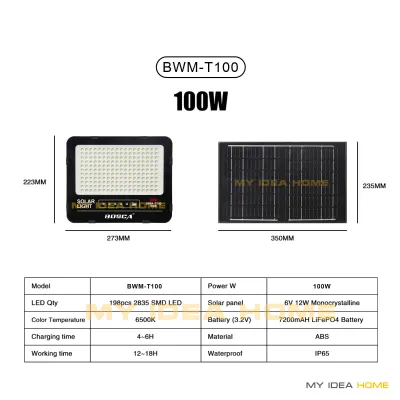
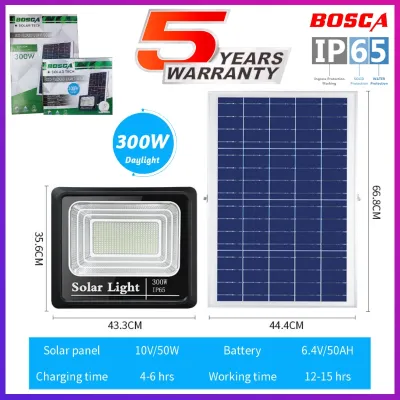
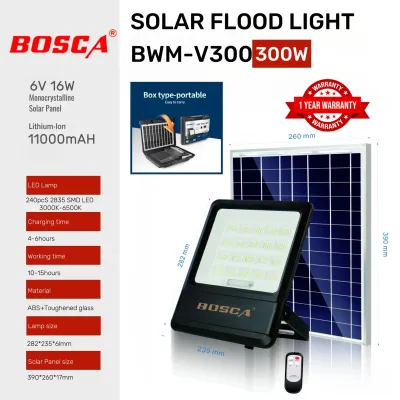
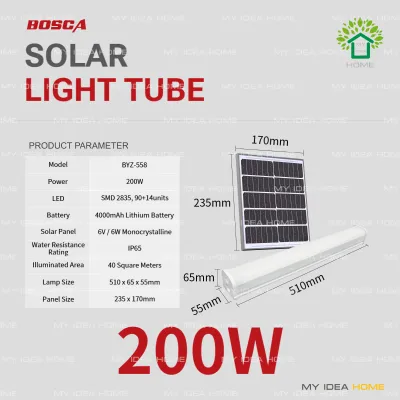
Prices are valid at publication and may change. Please refer to the product page for the latest price.
There is also a massive discrepancy between the advertised 300W power rating and the actual light output of a counterfeit unit. While a genuine fixture is designed to deliver bright, consistent illumination across a wide area, fake models often use low-efficiency LED chips and undersized solar panels. This results in a dim, weak glow that fails to provide the security and visibility you need for your yard, driveway, or garden path.
Furthermore, counterfeit solar lights lack the robust weatherproofing required for long-term outdoor use. Genuine fixtures are built with high-quality seals and durable housing materials to achieve reliable ingress protection ratings, keeping moisture and dust away from sensitive internal electronics. Non-original products typically use cheap adhesives and thin plastics that degrade rapidly under UV exposure, leading to water leaks, internal corrosion, and complete system failure within just a few months.
Physical and Visual Inspection Checklist
Performing a thorough physical examination of the product and its packaging is one of the most effective ways to identify a counterfeit solar light before you finalize your purchase or accept a delivery.

Packaging and Branding Details
Start by closely examining the retail box for print quality and branding consistency. Authentic packaging features high-resolution graphics, sharp text, and accurate brand logos with consistent color schemes. Counterfeit boxes often display blurry images, pixelated text, and noticeable spelling or grammatical errors in the product descriptions and technical specifications.
Look for official security labels, holographic stickers, or QR codes on the packaging. If the box includes a QR code for authenticity verification, ensure it directs you to the manufacturer’s official website rather than a suspicious, unverified landing page. Counterfeiters frequently use fake QR codes that lead to generic websites designed to mimic official brand portals.
Review the included user manual and documentation. A genuine 300W solar light comes with a professionally printed manual featuring clear, accurate technical diagrams and safety instructions. If the manual is poorly translated, contains generic diagrams that do not match your specific model, or is printed on low-quality paper, the product is likely a fake.
Build Quality and Specification Labels
Inspect the physical construction of the light fixture and the solar panel. Genuine high-wattage solar lights are constructed from sturdy, impact-resistant materials with clean, uniform seams and no rough or sharp plastic edges. The solar panel itself should have a clean, scratch-free tempered glass surface with evenly spaced, high-efficiency photovoltaic cells.
Check the specification sticker or engraved label on the back of the fixture. This label should clearly display the model number, voltage, IP waterproof rating, and manufacturer details. On counterfeit units, these labels are often crooked, easily peeled off, or contain generic technical specifications that do not align with the advertised 300W capacity.
Evaluate the overall weight and dimensions of the components. Because authentic 300W solar lights require substantial battery packs and robust aluminum heat sinks to manage thermal output, they are noticeably heavier than cheap imitations. If the light fixture or the solar panel feels unusually light or flimsy, it is a strong indication that the manufacturer used cheaper plastics and undersized batteries.
How to Evaluate the Seller and Purchase Channel
Where you choose to buy your solar light is just as important as the physical checks you perform on the product itself. To minimize the risk of receiving a counterfeit item, always prioritize authorized dealers, official brand flagship stores, or established physical hardware retailers in the Philippines.
Be highly cautious of prices that seem unusually low. While genuine solar fixtures may occasionally go on sale, an extreme discount—such as a 300W unit priced at a fraction of the standard retail rate—is a primary indicator of a counterfeit product. High-quality solar panels, lithium-ion batteries, and durable LED chips have baseline manufacturing costs that make extreme discounts economically unrealistic for genuine brands.
Examine the seller’s profile and customer feedback on ecommerce platforms before checking out. Look for verified seller badges and read recent customer reviews, paying close attention to those that include real photos or videos of the unboxed product. Look for any recurring complaints regarding poor build quality, short battery life, or packages that arrived without proper branding.
Verify the store’s return, refund, and warranty policies before making your purchase. Reputable sellers will clearly outline their return process and offer a straightforward path for refunds if the product is proven to be counterfeit or does not match the advertised specifications. Avoid sellers who refuse to offer clear return options or those who provide vague warranty terms.
Steps to Take If You Receive a Suspected Fake
If you receive a solar light and suspect it is a counterfeit, do not install it or connect it to power. Operating an unverified high-wattage fixture outdoors poses safety risks, especially when exposed to rain and high temperatures. Keep the product in its original packaging and store it in a cool, dry place while you resolve the issue.
Document all discrepancies immediately to build a strong case for a return. Take clear, well-lit photographs and videos of the packaging flaws, crooked specification labels, poor build quality, and any accessories that do not match the official product description. Compare these visual elements directly with official product images if possible.
Contact the ecommerce platform’s customer support or the physical store’s management right away to report the counterfeit item. Submit your documented evidence to initiate a dispute, request a full refund, and flag the seller’s listing to protect other consumers. Most reputable platforms have strict policies against counterfeit goods and will assist you in securing a refund.
Frequently Asked Questions (FAQ)
Can I rely solely on the 300W label to judge actual brightness?
No, wattage labels on solar lights often refer to the theoretical maximum capacity of the LED chips or the solar panel’s charging potential, rather than the actual light output. To judge real-world brightness, look for the lumen rating and read verified customer reviews that describe the light’s coverage and performance in dark outdoor settings.
Do original solar lights typically include a local warranty?
Yes, authentic solar fixtures from established brands usually come with a manufacturer or local distributor warranty. Always check the packaging for a valid warranty card, and ensure you keep your official receipt or digital invoice as proof of purchase to claim after-sales support if needed.

Community discussion
Share your experience or ask a question. Comments are reviewed before publication.