
Verifying whether a solar light is a genuine IP67-rated product requires a careful inspection of its physical seals, product labels, and retail source before you install it. In tropical climates like the Philippines, where heavy monsoon rains and high humidity are common, installing a counterfeit outdoor light can lead to rapid electrical failure or safety hazards. By learning how to spot the physical and documentation red flags of counterfeit solar lights, you can protect your balcony or garden setup from water damage and ensure your lighting investment lasts.
Understanding IP67 Ratings and Why Counterfeits Are Common
The Ingress Protection (IP) rating system is an international standard defining how well electrical enclosures resist dust and moisture. The first digit, “6”, means the enclosure is completely dust-tight. The second digit, “7”, indicates the device can withstand temporary immersion in water up to one meter deep for up to 30 minutes. For outdoor areas and open condo balconies exposed to sudden tropical downpours, this level of protection ensures the light remains operational even when temporarily drenched.
Unfortunately, counterfeit IP67 claims are highly prevalent on online marketplaces. Unauthorized sellers frequently apply fake IP67 labels to low-grade, non-waterproof fixtures to increase their search visibility and justify higher prices. Because many consumers cannot immediately test the water resistance of a light upon delivery, dishonest sellers exploit this gap to move high volumes of cheap inventory.
Products mentioned in this guide
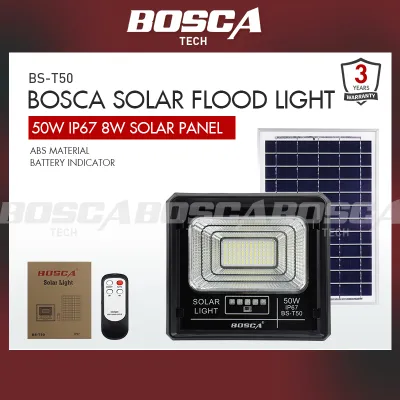
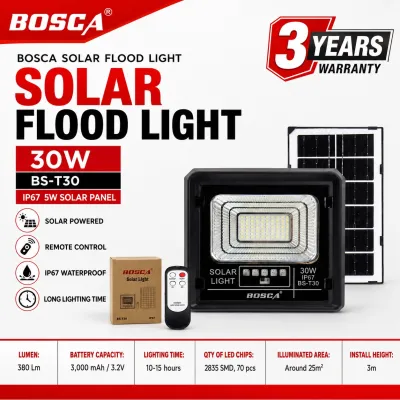
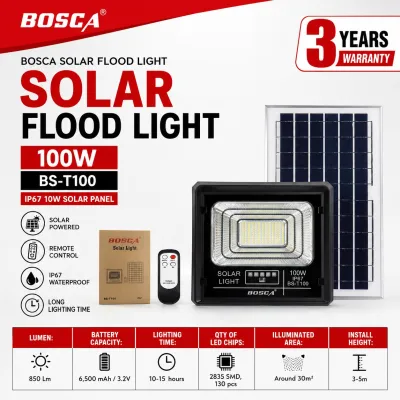
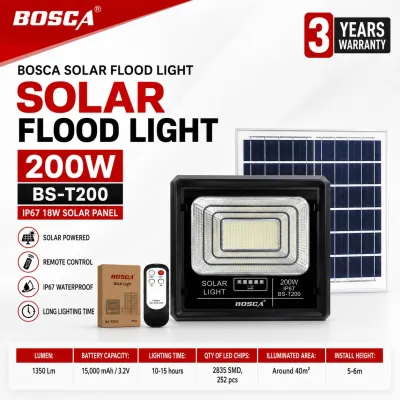
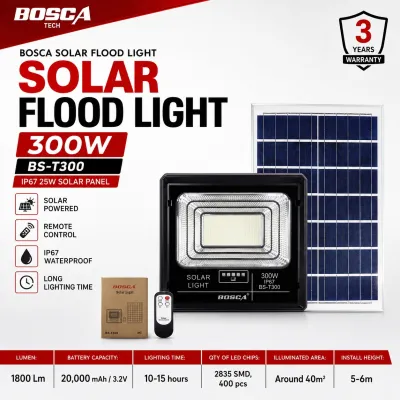
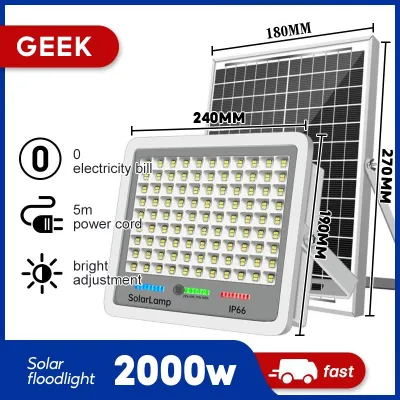
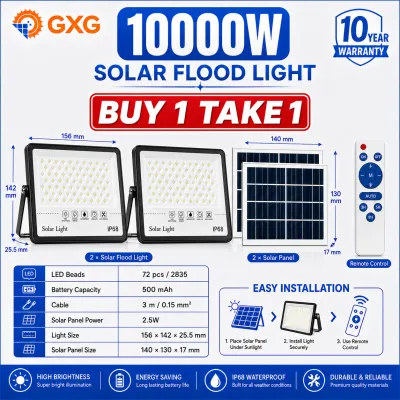
![YEELITE [ BUY 1 TAKE 1 ] 50W-500W High Brightness light IP67 LED Solar Flood Light with Remote Control for Outdoor Lighting POWER LIGHT genuine](https://img.lazcdn.com/g/p/e65cd73831392c6a737b6fc912430554.png_400x400q80.png_.webp)
Prices are valid at publication and may change. Please refer to the product page for the latest price.
Using a counterfeit or non-waterproof solar light in wet environments poses serious risks. Water ingress can quickly corrode the internal circuitry, leading to premature battery failure and rendering the light useless within a few weeks. More importantly, trapped moisture inside a cheap battery compartment can cause short circuits, posing localized electrical hazards or thermal risks on your balcony.
Visual and Physical Checks to Spot Fake IP67 Solar Lights
A physical inspection is one of the most reliable ways to identify a counterfeit solar light before you mount it. Start by examining the product packaging and documentation. Genuine manufacturers invest in high-quality packaging with clear, legible printing, detailed user manuals, and explicit safety warnings. Counterfeit products often arrive in generic brown boxes or flimsy packaging with blurry text, spelling errors, and no official manufacturer contact information or safety documentation.

Next, closely inspect the build quality and sealing of the light fixture itself. A true IP67 light relies on tight tolerances and high-quality seals to keep water out. Look closely at the joints, seams, and entry points for cables. Genuine IP67 lights feature thick, flexible rubber gaskets or O-rings around the battery compartment and lens covers, whereas fakes often omit these seals entirely or use thin, poorly fitted plastic rings.
Examine the seams of the plastic or metal housing for visible gaps or uneven alignment. If you can see light shining through the seams from the inside, or if the solar panel is loosely glued to the frame, the fixture is not watertight. High-quality outdoor lights also use sealed, rubberized power buttons and tightly threaded cable connectors with screw-on locking collars to prevent moisture from creeping into the wiring.
The weight and materials of the light can also reveal its authenticity. Genuine IP67 solar lights are constructed from durable, UV-resistant ABS plastic, aluminum, or tempered glass, giving them a solid, heavy feel in the hand. Counterfeit alternatives often use thin, brittle recycled plastics that feel exceptionally lightweight and bend easily under pressure. This flimsy construction quickly cracks under intense tropical sun exposure, allowing rainwater to enter.
Verifying IP67 Claims Through Labels and Specifications
Before purchasing or installing a solar light, verify the physical product label and the technical specifications provided by the seller. A genuine IP67 solar light will have a permanent, clear label printed or engraved directly on the housing. This label should state the exact IP rating, operating voltage, battery capacity, and power limits. If the IP67 mark is merely a cheap sticker that peels off easily, or if the rating is only mentioned on the box but not on the light itself, proceed with caution.
Look for recognizable electrical safety and quality certification marks on the product label. Genuine outdoor lighting products undergo independent testing to meet international safety standards. While counterfeiters sometimes copy these logos, you can often spot fakes by checking if the certification numbers are missing or if the logo design is slightly distorted. When possible, cross-reference the manufacturer’s model number on official certification databases or the manufacturer’s website to confirm the product’s registration.
Analyze online listings carefully for contradictory specifications, which are a major red flag. For example, a listing might claim an “IP67 waterproof rating” in the title but state “IP65” or “indoor use only” in the detailed description. Similarly, look closely at the product photos provided by the seller. If a photo of the battery compartment shows exposed metal contacts, standard AA battery slots without a rubber seal, or open screw holes, the light cannot physically meet IP67 standards.
Choosing Reliable Channels for Original Solar Lights
To minimize the risk of buying counterfeit solar lights, choose your purchasing channels carefully. Prioritize official brand flagship stores, authorized distributors, and established local home improvement or specialty lighting shops. These retailers source their inventory directly from manufacturers, ensuring that the IP67 ratings and safety certifications are authentic and backed by real warranties.
When shopping on online marketplaces, do not rely solely on the product title or promotional images. Evaluate the seller’s overall rating and read customer reviews specifically looking for verified purchase photos. Pay close attention to reviews written after several weeks of use, as these often highlight water leakage or premature failure. Additionally, check the platform’s return policy to ensure you can easily secure a refund if the product arrives and fails your physical inspection.
Be realistic about pricing when comparing options. High-quality materials, proper rubber gaskets, tempered glass, and certified IP67 testing carry manufacturing costs. If a listing offers an “IP67 solar floodlight” at a price that seems suspiciously low compared to established brands, it is highly likely a counterfeit. Investing a bit more in an authorized channel saves money in the long run by avoiding frequent replacements and potential electrical hazards.
What to Do If You Receive a Counterfeit Solar Light
If you suspect you have received a counterfeit solar light, take immediate action to protect your purchase. Document the unboxing and inspection process by taking clear, high-resolution photos and videos of the packaging, the product label, and any physical defects like missing gaskets or open seams. This visual evidence is crucial when filing a dispute with the online marketplace or payment provider.
Initiate a return or refund request through the ecommerce platform’s buyer protection program right away. Most platforms have strict timelines for reporting counterfeit goods or items that do not match the description. Submit your documented photos and videos showing the discrepancies between the advertised IP67 rating and the actual build quality of the received item to support your claim.
Crucially, do not install or test the suspected counterfeit light in wet conditions or outdoors. Attempting to test a poorly sealed light by submerging it or leaving it in the rain can cause irreversible water damage, short circuits, or battery swelling. If the light is damaged during a DIY test, the seller or platform may deny your return request, claiming the damage was caused by user error rather than a product defect. Keep the item dry and packed in its original box until the return process is complete.
Frequently Asked Questions (FAQ)
Can I test a solar light's IP67 rating myself at home?
No, you should not attempt to test a solar light’s IP67 rating at home by submerging it in water. Doing so with an unverified or counterfeit light carries a high risk of irreversible water damage, battery short circuits, and potential electrical hazards. Instead of destructive testing, rely on non-destructive visual inspections of the rubber seals, the quality of the housing seams, and the validity of the manufacturer’s certification labels.
Is an IP65 solar light a safe alternative if I cannot find an original IP67?
Yes, an IP65 solar light can be a safe and highly effective alternative depending on where you plan to install it. While IP67 lights can withstand temporary immersion, IP65 lights are designed to resist low-pressure water jets and heavy rain from any angle. If your condo balcony is partially covered or the light is mounted under an eave where water will not pool, an authentic IP65 light provides more than enough protection for daily outdoor use.

Community discussion
Share your experience or ask a question. Comments are reviewed before publication.