
To verify the official KKSKY solar light store and avoid counterfeit products, buyers must look for platform-verified mall or flagship badges, cross-check seller metrics, inspect physical packaging and build quality upon delivery, and avoid listings with unrealistically low prices. In the Philippines, outdoor solar lighting is a popular choice for illuminating gardens, driveways, and barangay streets. The tropical climate, characterized by heavy monsoon rains and intense heat, demands durable, weather-resistant fixtures. However, the popularity of brands like KKSKY has led to an influx of counterfeit products on major online marketplaces. Buying a fake not only results in poor performance but also poses safety risks due to substandard electrical components. This guide provides a step-by-step verification framework to ensure your outdoor lighting investment is genuine, safe, and fully functional.
Recognizing Official Store Badges on E-commerce Platforms
When shopping on major e-commerce platforms in the Philippines, the first line of defense against counterfeit solar lights is identifying verified store badges. Legitimate brand outlets are typically designated with specific tags such as “Official Store,” “Mall,” or “Flagship Store” directly next to the shop name. These badges indicate that the platform has verified the seller’s business registration, trademark ownership, or official authorization from the brand.
Beyond the badge itself, a store’s operational history offers critical clues about its legitimacy. Check the seller’s join date on the platform; established official stores usually have a history spanning several years, whereas counterfeit operations often use newly created accounts that can be quickly shut down and replaced if flagged.
Products mentioned in this guide
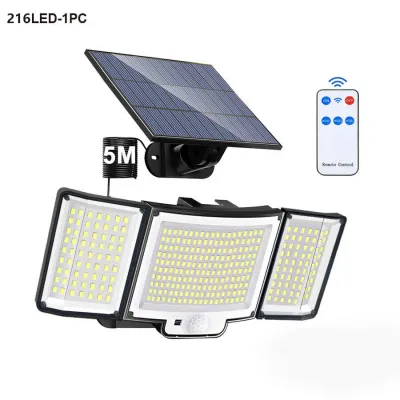
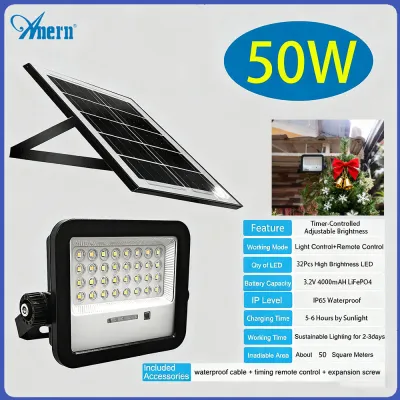
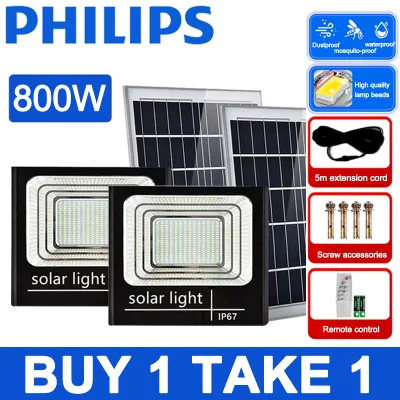
Prices are valid at publication and may change. Please refer to the product page for the latest price.
Analyze the overall seller rating and customer service response rate. Official stores generally maintain high ratings (typically above 90% or 4.5 stars) and a prompt response rate, reflecting dedicated customer support teams. A low response rate or a sudden drop in ratings often points to a dropshipping setup or a store selling substandard replicas.
Follower count is another useful metric for verification. Official brand stores tend to accumulate tens of thousands of followers over time due to marketing campaigns and brand loyalty. If a store claiming to be the official KKSKY outlet has only a handful of followers, it is highly likely to be an unauthorized reseller or a counterfeit storefront.
Examine the consistency of the store’s product catalog. An official brand store focuses almost exclusively on its own product line, displaying an organized selection of solar street lights, floodlights, and garden lamps. If the storefront lists KKSKY products alongside unrelated items like clothing, kitchenware, or unbranded electronics, you are dealing with a general reseller rather than the official brand channel.
Additionally, check the store’s promotional banners and design layout. Official stores invest in professional graphic design, clear brand messaging, and cohesive product categories. Counterfeit stores often have messy layouts, broken links, and low-resolution banners that look copied from other websites.
Red Flags of Counterfeit or Unauthorized Sellers
Price is often the most immediate indicator of a counterfeit product. If a listing offers a high-wattage solar floodlight for only ₱500 when the standard market rate is significantly higher, it is highly probable that the product is a fake. Counterfeiters use cheaper, low-capacity batteries and low-grade solar cells to lower production costs, allowing them to undercut genuine prices.

Analyze the product images used in the listing. Legitimate listings from the official store feature high-resolution, branded graphics, detailed specification tables, and real-world photos showing the product’s dimensions and mounting brackets. Counterfeit listings, on the other hand, frequently rely on low-quality, pixelated stock images, often with the brand logo crudely edited out or poorly superimposed onto the photo.
Inspect the product description for detailed specifications and warranty information. Genuine KKSKY listings provide clear details regarding voltage, battery capacity, LED type, and ingress protection (IP) ratings suitable for the humid, rainy conditions in the Philippines. Counterfeit listings often feature vague descriptions, missing technical specifications, and no mention of warranty coverage or after-sales support.
Pay close attention to the store name itself. Unauthorized sellers often use deceptive naming tactics to trick unsuspecting buyers. They may slightly alter the brand spelling, add unnecessary words like “KKSKY Online Shop,” “KKSKY Factory Sale,” or use generic terms combined with the brand name. A genuine official store will have a clean, professional name aligned with the brand’s official identity.
Furthermore, look at the user reviews on the listing. While some fake stores manipulate reviews using automated accounts, you can often spot these by looking for repetitive, generic phrasing or identical photos across different user profiles. Genuine reviews will show diverse, real-world photos of the product installed in local Filipino homes, complete with honest feedback about the light’s performance during rainy days.
Verifying Product Authenticity Upon Delivery
Once your package arrives, the physical inspection process begins before you even install the light. Examine the outer packaging carefully; genuine products are shipped in sturdy, high-quality cardboard boxes featuring crisp, clear printing of the brand logo, model number, and technical specifications. Counterfeit products often arrive in flimsy, unbranded brown boxes or packaging with blurry text, spelling errors, and missing factory seals.
Open the box and verify the inclusion of official documentation. A genuine solar light package includes a detailed user manual written in clear English, a dedicated warranty card, and proper safety certification labels. If the package contains only a generic, single-sheet instruction page with poor translations and no warranty information, the product’s authenticity is highly suspect.
When verifying the technical specifications of your solar light, pay close attention to the voltage, base or interface type, wattage limit, and physical dimensions. Ensure that the dimming method—whether controlled via a remote, motion sensor, or automatic dusk-to-dawn sensor—matches the description in the official product manual. Additionally, check that the installation environment matches the product’s rated capabilities, and look for valid electrical certification marks on the product label to ensure it complies with safety standards.
Assess the physical build quality of the solar light components. Genuine outdoor solar lights are constructed to withstand tropical weather, featuring robust ABS plastic or aluminum casings, tempered glass covers, and neatly sealed LED housings. Inspect the solar panel surface; it should be smooth, evenly colored, and free of scratches, bubbles, or misalignment. Counterfeit units often exhibit cheap, thin plastic casings, poorly sealed joints that allow moisture ingress, and unevenly laminated solar cells.
Cross-reference the physical specifications of the received unit with the online listing. Check the model number, wattage rating, and dimensions printed on the product label against the specifications you ordered. Counterfeiters frequently ship lower-wattage units housed in larger casings to mimic high-performance models, which can be identified by checking the actual size of the solar panel and the number of LED chips.
For installations involving fixed wiring, damp areas, work at height, extreme heat, or suspended loads, safety boundaries must be strictly observed. Always ensure complete power-isolation before beginning any electrical work, carefully follow the manufacturer’s installation instructions, and consult a qualified professional to handle complex mounting or wiring tasks securely. Keep in mind that decorative style, perceived color temperature (such as warm white versus cool daylight), and spatial lighting effects are highly subjective and depend on personal preference rather than serving as universal indicators of product performance or authenticity.
What to Do If You Receive a Suspected Fake
If you suspect that the solar light you received is a counterfeit, take immediate action to protect your purchase. Before opening the package, record a continuous unboxing video showing the shipping label, the condition of the outer box, and the physical discrepancies of the product inside. This video serves as crucial, objective evidence during the dispute process on e-commerce platforms.
Initiate a formal return or refund request through the online marketplace’s standard buyer protection program. Select the appropriate reason for return, such as “received a counterfeit product” or “item not as described,” and upload your unboxing video, clear photos of the packaging, and close-ups of the defects or missing branding. Do not click the button to confirm receipt of the order, as this may release the payment to the seller and complicate the refund process.
If the seller disputes your claim or refuses to cooperate, escalate the issue by contacting the e-commerce platform’s customer support directly. Provide your documented evidence, including screenshots of the listing’s false claims and photos of the physical product. Most major platforms have strict policies against counterfeit goods and will intervene to secure your refund once sufficient proof is provided.
Finally, leave a factual, evidence-based review on the seller’s listing page. Share clear photos of the counterfeit item and describe the specific discrepancies to warn other shoppers in the Philippines. This helps build community awareness and prevents unauthorized sellers from exploiting more buyers looking for reliable outdoor lighting.
Frequently Asked Questions (FAQ)
Can I trust a seller if they claim to be an authorized KKSKY reseller?
You should not rely solely on a seller’s self-proclaimed authorized status. Genuine authorized resellers should be able to provide a verifiable certificate of authorization issued by the brand, complete with an official seal and validity dates. If you are uncertain, the safest approach is to contact the brand’s official customer support channel or check their official website to verify if the seller is listed as an authorized distributor.
Do counterfeit solar lights pose safety risks for outdoor use?
Yes, counterfeit solar lights present significant safety and durability risks, especially in the tropical climate of the Philippines. Substandard weatherproofing can allow rainwater to penetrate the housing, leading to short circuits, rapid battery degradation, or electrical hazards. Furthermore, fake units often use low-quality lithium-ion batteries without proper overcharge or thermal protection, increasing the risk of swelling, leakage, or combustion under intense tropical heat.

Community discussion
Share your experience or ask a question. Comments are reviewed before publication.