
Evaluating a recessed LED panel light before purchase requires looking beyond its sleek, minimalist exterior. The performance, safety, and longevity of these modern ceiling fixtures depend entirely on the quality of their internal components. Because these lights are typically recessed into ceilings, replacing a failed unit involves physical effort and electrical work. Understanding what goes on inside the fixture helps you make a smarter, long-term investment for your home or office.
The Light Source: LED Chips and Circuit Board
At the heart of every LED panel light is the light source, consisting of the LED chips and the Printed Circuit Board (PCB). The LED chips are the semiconductor diodes that convert electrical energy into visible light. These chips are mounted onto the PCB, which serves as both the physical foundation and the electrical highway that distributes current evenly to each light-emitting element. The quality of these chips directly dictates the fixture’s brightness, color accuracy, and overall lifespan.
When evaluating a panel light, check the product packaging or technical datasheet for the Color Rendering Index (CRI) and Correlated Color Temperature (CCT). The CCT indicates whether the light is warm, cool, or daylight-toned, which are conditional preferences depending on your spatial needs. Meanwhile, a higher CRI indicates how accurately the light reveals the true colors of objects compared to natural light. Additionally, verify the manufacturer’s rated lifespan and lumen maintenance claims on the official product label. Reliable manufacturers provide clear, verified metrics (such as L70 ratings) rather than relying on vague marketing promises.
Products mentioned in this guide
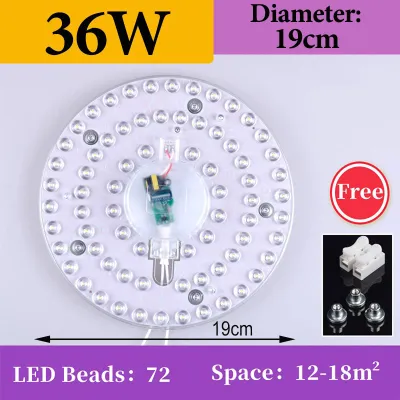
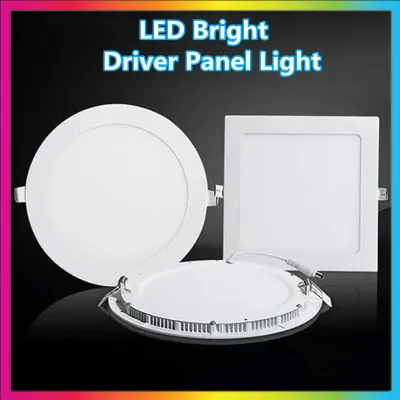
Prices are valid at publication and may change. Please refer to the product page for the latest price.
The Power Supply: LED Driver and Electrical Safety
The LED driver acts as the brain and power management hub of the entire fixture. Because LED chips operate on low-voltage direct current (DC), they cannot be connected directly to your home’s alternating current (AC) mains power. The driver’s primary job is to convert the high-voltage AC electricity from your wall into the stable, low-voltage DC electricity required by the internal chips. A poorly designed driver can lead to premature fixture failure, even if the LED chips themselves are of high quality.

When shopping, look for drivers labeled as “flicker-free” or those carrying specific visual comfort certifications. Invisible high-frequency flicker from low-quality drivers can cause eye strain and headaches in workspaces or living areas over time. Furthermore, always check the driver’s input voltage range to ensure compatibility with local grid standards. In the Philippines, verifying that the driver is rated for the local grid standards (typically 220V at 60Hz) and checking for recognized electrical safety certifications such as the Philippine Standard (PS) mark or the Import Commodity Clearance (ICC) sticker helps ensure the fixture can safely handle local power fluctuations.
Light Distribution: Diffuser and Light Guide Plates
The way light is distributed across the panel surface determines the visual comfort of the room. LED panel lights generally fall into two design categories: edge-lit and back-lit. Edge-lit panels place the LED chips along the inner perimeter of the frame, pointing inward. A specialized optical layer called a light guide plate (LGP) then redirects this light downward toward the room. Back-lit panels, on the other hand, place the LEDs in a grid pattern directly behind the outer diffuser, pointing straight down.
Regardless of the internal layout, the outer diffuser cover plays a critical role in softening the light output. It eliminates harsh glare and hides the individual LED chips from direct view, creating a smooth, glowing surface. When inspecting product displays or reading verified user reviews on ecommerce platforms, check for uniform illumination across the entire panel. Look out for dark spots, uneven shadows, or light bleeding around the edges of the frame. Additionally, low-quality diffuser materials can yellow over time when exposed to heat and light, permanently altering the color and quality of the illumination.
Build and Thermal Management: Frame and Heat Sink
The structural integrity and longevity of a recessed panel light depend heavily on its frame and thermal management system. The housing frame provides the necessary rigidity to protect delicate internal components during shipping and installation. It also ensures a secure, flush fit within standard ceiling grids or custom drywall cutouts. A sturdy frame prevents warping, which can otherwise cause gaps and allow dust or insects to enter the fixture.
Equally important is how the fixture handles heat. Although LEDs are highly efficient, they still generate heat that must be dissipated away from the sensitive semiconductor chips. Adequate heat dissipation is typically managed through aluminum backings, metal frames, or specialized thermal plastics that act as heat sinks. In tropical climates with high ambient humidity and temperatures, efficient thermal management is crucial; excessive heat buildup inside the ceiling cavity will rapidly degrade the LED chips and shorten the driver’s lifespan. Before purchasing, verify the fixture’s physical dimensions, weight limits, and required overhead clearance against your ceiling structure to ensure safe airflow and a proper fit.
Quality Checklist for Evaluating Panel Light Components
To make a confident purchase, use a structured approach to inspect product specifications and labels. Always verify the essential technical details on the packaging: the wattage, total lumens, CRI, and dimming compatibility if you plan to use dimmer switches. If you are installing the fixture in damp or humid areas, such as kitchens, bathrooms, or covered outdoor patios, ensure the product has an appropriate Ingress Protection (IP) rating to resist moisture.
Be on the lookout for common red flags when browsing products. Missing technical specifications, unusually low pricing for exceptionally high-wattage claims, or a complete lack of warranty and after-sales support information often point to substandard manufacturing. Finally, prioritize safety during installation. Always isolate the power at the main circuit breaker before handling any electrical connections. If your project involves fixed wiring, working at heights, or if the manufacturer’s installation instructions conflict with local electrical safety standards, stop immediately and consult a qualified, licensed electrician.
Frequently Asked Questions (FAQ)
Can I replace just the LED driver if the panel light stops working?
Yes, in many cases, the LED driver can be replaced independently if the panel itself is still functional. However, any replacement driver must precisely match the original’s output voltage, constant current rating (measured in milliamperes), and physical dimensions to fit within the ceiling cutout or fixture housing. Using an incompatible or uncertified replacement driver can void the product warranty, damage the LED chips, or pose a serious electrical safety hazard. Always consult the manufacturer’s guidelines or a professional electrician before attempting component-level repairs on fixed lighting fixtures.
Do back-lit and edge-lit LED panels use the same internal components?
While both designs share core components like LED chips, a PCB, and a driver, their internal optical layouts differ significantly. Edge-lit panels require a specialized light guide plate (LGP) and a reflective backing film to redirect light from the sides of the frame downward, resulting in an ultra-thin profile. Back-lit panels do not use an LGP; instead, they place the LEDs directly behind the diffuser, requiring a deeper housing frame to allow the light to spread evenly and prevent visible hotspots. This structural difference affects the fixture’s overall thickness, weight, and suitability for shallow ceiling plenums.

Community discussion
Share your experience or ask a question. Comments are reviewed before publication.