
Determining whether a 24W Firefly LED panel is the right choice for your home depends on finding the balance between room size, ceiling height, and your specific lighting needs. While a 24W LED fixture is highly energy-efficient, it is not a one-size-fits-all solution. In typical residential settings, this wattage is often ideal for medium-sized rooms, but installing it in a space that is too large will leave you with dim, shadowy corners, while placing it in a tiny utility closet might result in uncomfortable glare.
To make an informed purchase, you must look beyond the wattage rating alone and evaluate the actual light output, measured in lumens, alongside the physical characteristics of your room. By understanding how to calculate your space’s requirements and recognizing the environmental factors that affect light distribution, you can ensure your new lighting setup is both functional and comfortable.
How to Calculate Your Room's Lighting Needs
To establish a baseline for your room’s lighting needs, you must first calculate the total floor area of the space. Use a tape measure to record the length and width of the room in meters, then multiply these two figures to determine the square footage. For example, a standard bedroom measuring 3 meters by 4 meters yields a total floor area of 12 square meters. Knowing this exact measurement prevents guesswork when comparing different fixtures and helps you align your purchase with standard lighting recommendations.
Products mentioned in this guide
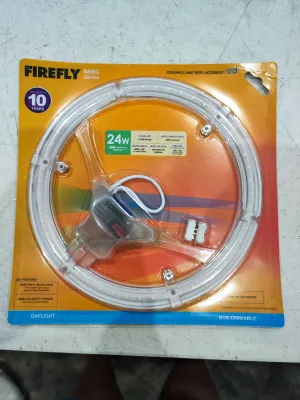
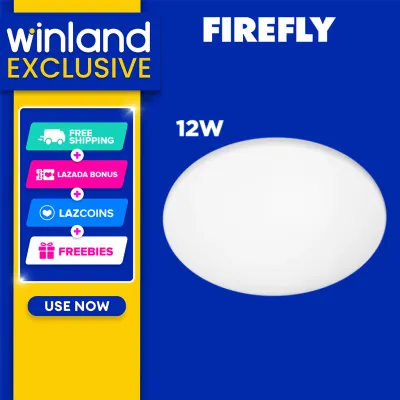
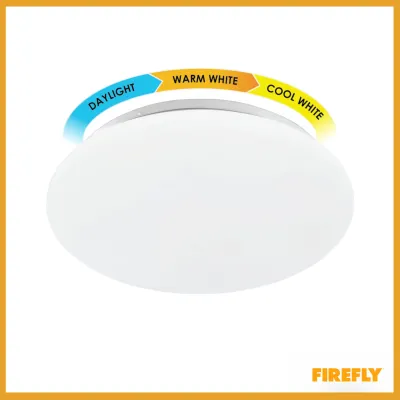
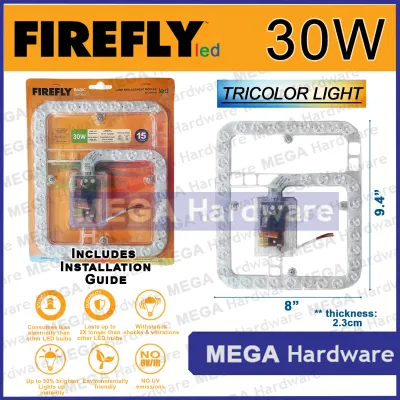
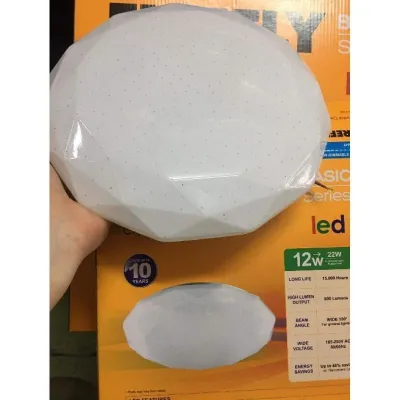
Prices are valid at publication and may change. Please refer to the product page for the latest price.
Once you have the room’s dimensions, consider the primary function of the space, as different activities require distinct levels of illumination. Lighting standards distinguish between ambient lighting, which provides general illumination for safety and relaxation, and task lighting, which is necessary for focused activities like reading, cooking, or working. A bedroom or hallway typically requires lower overall light levels, whereas a home office, kitchen, or study area demands brighter, more concentrated light to prevent eye strain.
When shopping for a fixture like the Firefly 24W panel, avoid relying solely on the wattage rating to judge its brightness. Wattage measures electrical power consumption rather than the actual light emitted by the LED. Instead, consult the product packaging to find the lumen output and the manufacturer’s recommended coverage area. Comparing the rated lumens to your calculated square footage ensures you select a panel that delivers the appropriate level of brightness for your room’s specific purpose.
Where a 24W LED Panel Typically Fits
A 24W LED panel is a versatile fixture that fits comfortably into several common residential spaces, provided you cross-reference its specifications with your room’s layout. Before installation, check the Firefly packaging for the exact lumen rating and the recommended square meter coverage. Because LED efficiency can vary between different product lines and designs, verifying these details on the label ensures the fixture will perform as expected in your intended environment.

In most homes, a single 24W panel serves as an excellent primary light source for compact bedrooms, home offices, study rooms, or medium-sized hallways. In these spaces, the light output is usually sufficient to provide even, comfortable ambient illumination without overwhelming the senses. For instance, in a 10 to 12 square meter bedroom, a centrally mounted 24W panel can easily illuminate the entire room, creating a bright and welcoming atmosphere for daily activities.
However, it is important to recognize the physical limitations of a single 24W fixture. A single panel is generally inadequate as the sole light source for large, open-plan living areas, spacious dining rooms, or rooms with exceptionally high ceilings. In expansive spaces, a single light source cannot distribute illumination evenly, leading to dark spots and harsh shadows near the walls. For these larger areas, you should plan a multi-light layout, combining the 24W panel with additional recessed lights or accent fixtures to achieve balanced coverage.
Variables That Change Light Coverage and Perception
Even when a 24W LED panel matches your room’s dimensions on paper, several environmental factors can alter how bright the light actually feels once installed. Ceiling height is one of the most critical variables to consider. Standard residential ceilings in the Philippines are typically around 2.7 meters high; if your ceiling is higher, the light must travel a greater distance to reach floor level. This extra distance causes the light beam to disperse over a wider volume, which can make the room feel dimmer than expected.
The colors of your walls, ceiling, and flooring also play a major role in how light is reflected or absorbed. Dark paint colors, deep wood paneling, and dark-colored tiles absorb a significant portion of the emitted light, requiring higher overall lumens to achieve the same perceived brightness. On the other hand, light-colored walls, white ceilings, and pale floors reflect light efficiently throughout the space, maximizing the output of your 24W panel and making the entire room feel larger and brighter.
Additionally, the color temperature of the LED panel influences both the mood of the room and your perception of its brightness. Panels are typically available in warm white, cool white, or daylight options. Cool white and daylight tones, which have a bluish-white appearance, tend to look crisper and brighter to the human eye, making them ideal for task-oriented spaces. Warm white tones emit a softer, yellowish glow that creates a cozy, relaxing environment, though they may feel slightly less intense even when emitting the same number of lumens.
Pre-Installation and Electrical Compatibility Checks
Ensuring a safe and successful installation requires careful physical and electrical preparation before you mount your new LED panel. Begin by measuring your ceiling cavity depth and comparing it to the physical dimensions of the fixture. Recessed panels require sufficient clearance behind the ceiling board to accommodate the housing, mounting clips, and driver without bending or putting pressure on existing structural elements or insulation. You must also verify that your existing ceiling cutout matches the required installation dimensions specified by the manufacturer.
Electrical compatibility is another vital safety consideration that you must verify before connecting any wiring. Ensure that the fixture’s rated voltage and frequency match the standard electrical supply in the Philippines, which is 220V at 60Hz. Using a fixture with incompatible electrical ratings can cause flickering, damage the internal LED driver, or create a serious fire hazard. Always look for official electrical safety certification marks on the product packaging to confirm that the panel meets local regulatory standards.
Finally, understand the limits of DIY installation and know when to call a professional. While replacing an existing, identical fixture on a simple circuit can often be done by following the manufacturer’s step-by-step instructions, more complex tasks require expert help. If you need to cut new openings in your ceiling, run new fixed wiring, install fixtures in damp environments like bathrooms, or work at significant heights, you must isolate the power at the main circuit breaker and hire a licensed electrician to complete the work safely and in compliance with local building codes.
Frequently Asked Questions (FAQ)
Can I use a single 24W LED panel as the main light in a large living room?
A single 24W LED panel is generally not sufficient to serve as the sole light source in a large living room. Large, open spaces require a higher total lumen output to ensure even light distribution, and relying on only one fixture will likely leave the corners of the room in shadow. To achieve comfortable and balanced illumination in a spacious living area, check the manufacturer’s recommended coverage limits and design a layered lighting layout that combines multiple panels or incorporates complementary wall sconces and floor lamps.
Does the color temperature of the panel affect how bright the room feels?
Yes, the color temperature of the panel significantly affects your perception of brightness, even if the actual lumen output remains the same. Cool white and daylight color temperatures (ranging from 4000K to 6500K) appear sharper and more intense to the human eye, which can make a workspace or kitchen feel brighter and more energetic. Warm white light (around 3000K) produces a softer, yellow-toned glow that creates a relaxing, intimate atmosphere, though it may feel slightly dimmer in comparison.
What should I do if my existing ceiling cutout does not match the panel dimensions?
If your existing ceiling cutout does not match the dimensions of your 24W LED panel, do not attempt to force the fixture into the opening or make unverified structural changes to your ceiling. Forcing a mismatch can damage the ceiling board, compromise the mounting clips, or prevent the panel from sitting flush. Instead, consult a qualified professional to safely enlarge or patch the ceiling opening, or look for an LED panel model that features adjustable mounting clips or an adapter frame designed to accommodate various cutout sizes.

Community discussion
Share your experience or ask a question. Comments are reviewed before publication.