
A European table lamp can transform a sterile work-from-home (WFH) desk into a warm, inviting sanctuary, but it is not always the most practical choice for intense, focused task work. Deciding whether this style fits your workspace requires looking beyond its elegant silhouette to evaluate how you actually work. While these lamps excel at creating a cozy, glare-free atmosphere that reduces eye strain during long screen-based sessions, they often lack the directional flexibility of modern industrial task lights. Balancing your aesthetic desires with your daily functional needs is the key to building a productive and beautiful home office.
Defining the 'European Style' in Desk Lighting
To identify authentic European design elements, look closely at the materials, shades, and overall silhouettes rather than relying on generic vintage labels. Brass, ceramic, marble, and antiqued metals form the backbone of traditional European lighting design. Brass bases, whether polished to a bright shine or treated with an antiqued patina, offer a timeless weight. Ceramic and marble bases introduce organic textures and classical proportions, grounding the lamp on your desk. In humid tropical environments, choosing high-quality finishes is essential, as unlacquered metals can oxidize and develop a natural patina over time when exposed to moisture.
The lampshade is crucial for defining the European aesthetic. Pleated fabric, frosted glass, and delicate parchment shades are designed to diffuse light outward rather than direct it downward in a harsh beam. A pleated fabric shade, for instance, softens the glow of the bulb, casting gentle shadows that make a workspace feel more like a curated study than a corporate cubicle. This soft diffusion is highly beneficial for reducing the harsh contrast between your computer screen and the surrounding room.
Products mentioned in this guide
![L&H(COD)Eye protection desk lamp LED study room living room bedroom bedside European style lamp creative [Free bulb]](https://img.lazcdn.com/g/p/f53abbc3a55b85d28befccfc72ed5b3e.jpg_400x400q80.jpg_.webp)
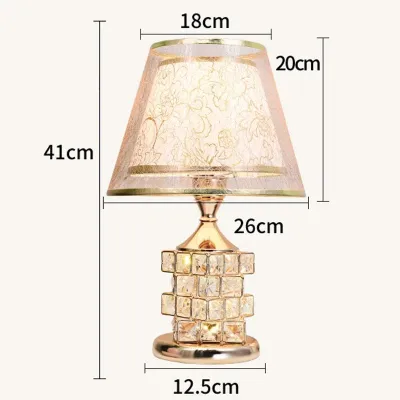
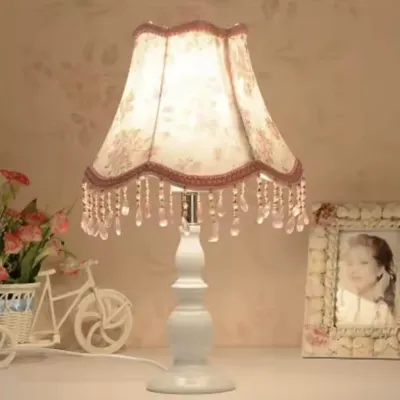
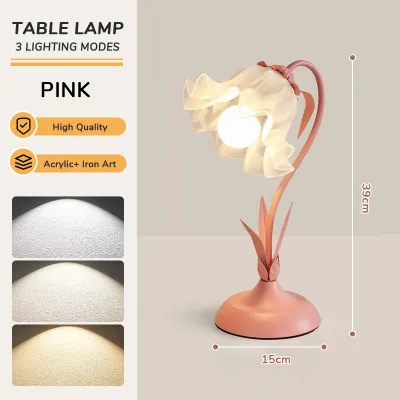
Prices are valid at publication and may change. Please refer to the product page for the latest price.
European design spans a wide spectrum, from the highly ornate, classical silhouettes of the Victorian and Baroque eras to the clean, functional lines of mid-century Scandinavian and Bauhaus minimalism. Classical styles often feature curved, sweeping arms, detailed metalwork, and decorative finials. Modern European styles, on the other hand, prioritize geometric simplicity and functional elegance, offering a sleeker profile that fits easily into contemporary home offices without sacrificing character.
Diagnosing Your WFH Lighting Needs
To determine if a European lamp is right for you, start by analyzing the type of work you perform. Traditional European lamps are primarily ambient light sources; their shades scatter light across a wide area, which is excellent for typing, video calls, and general computer work. However, if your daily tasks involve reading physical documents, sketching, or doing detailed manual work, you require focused task lighting. A diffused shade may not provide the concentrated, high-contrast illumination needed for these activities, potentially leading to eye strain.

Another critical factor is adjustability. Most classic European table lamps feature fixed decorative arms and rigid structures. Unlike modern architectural desk lamps with articulated joints, counterweights, or flexible goosenecks, a traditional European lamp cannot be easily tilted, raised, or swiveled to direct light exactly where you need it. If your workflow demands constant adjustments to eliminate glare on your screen or to highlight different areas of your desk, a fixed-arm lamp may feel restrictive.
Desk space is a premium asset in any home office. European-style lamps, particularly those with ceramic, marble, or heavy brass bases, tend to have a larger physical footprint and significant weight. A wide base provides stability but consumes valuable real estate on a compact desk. Before choosing a lamp, measure your active workspace to ensure the base and the flare of the lampshade do not crowd your keyboard, mouse, or secondary monitors.
The Compatibility Checklist: Is It Right for Your Setup?
A European table lamp is an excellent fit if your WFH setup is integrated into a shared living space, such as a living room or bedroom, where aesthetic harmony is a priority. It is ideal for professionals whose work is primarily digital, requiring only soft background illumination to balance screen glare. If you appreciate a warm, cozy atmosphere that helps transition your mind from work mode to relaxation at the end of the day, the ambient glow of a classic lamp is unmatched.
You should reconsider a standalone European lamp if your desk is exceptionally small, or if your work requires high-precision visual tasks under direct, bright light. If your desk is cluttered with multiple monitors, document holders, and external drives, a heavy decorative lamp might add to the visual and physical clutter. Additionally, if you frequently rearrange your workspace or need a highly portable light source, the weight and fragility of ceramic or glass components may prove impractical.
Fortunately, you do not have to choose strictly between style and function. A highly effective hybrid solution is to pair a beautiful European table lamp with a modern monitor light bar. The light bar clips onto your screen, casting glare-free, directed light downward onto your keyboard and documents without taking up any desk space. This allows the European lamp to sit gracefully on the corner of your desk, dedicated entirely to creating a warm, ambient background glow that softens the overall room environment.
Essential Specifications to Verify Before Buying
When sourcing a European-style lamp, electrical compatibility is paramount. In the Philippines, the standard electrical system operates at 220V at 60Hz. Many imported lamps, particularly those designed for North American markets, are rated for 110V. Always verify the manufacturer’s voltage specifications before plugging in any fixture. Additionally, check the plug type; you may need a simple adapter if the lamp comes with a European two-pin round plug (Type C) or another non-standard shape for local outlets.
Examine the bulb socket and maximum wattage limits, which are typically printed on a safety label near the socket. European lamps often use standard screw bases like E27 or smaller candelabra bases like E14. Ensure you can easily source compatible bulbs locally. Adhering to the maximum wattage limit is crucial, especially when using traditional incandescent bulbs, to prevent heat buildup that could damage fabric shades or pose a fire hazard. Transitioning to LED bulbs is highly recommended, as they run much cooler and consume less energy.
Tropical climates present unique maintenance challenges. High humidity can cause unlacquered brass to tarnish quickly and may encourage dust to cling to fabric or pleated shades. To keep your lamp looking pristine, establish a regular cleaning routine. Metal bases should be wiped down with a dry, soft cloth, avoiding harsh chemical polishes that can strip away protective lacquers. Fabric shades require gentle dusting to prevent airborne particles from settling permanently into the weave.
Frequently Asked Questions (FAQ)
Can I use a smart bulb in a European-style table lamp?
Yes, you can use a smart bulb, provided the bulb’s base matches the lamp’s socket (such as E27) and the physical dimensions of the bulb fit comfortably within the lampshade. Some smart bulbs are larger or longer than standard bulbs, which might cause them to protrude from the top or bottom of a shallow shade. Additionally, if your European lamp features a built-in physical dimmer switch on the cord or base, it may conflict with the internal electronics of a smart bulb. For the best results, use smart bulbs only in lamps with standard on/off switches, and control the dimming features directly through your smart home app or voice assistant.
How do I safely clean a fabric or parchment lampshade?
To clean a delicate fabric or parchment shade safely, always begin by unplugging the lamp from the wall outlet and allowing the bulb to cool completely. For routine dusting, use a clean, soft-bristled brush, a feather duster, or a dry microfiber cloth to gently sweep away loose dust from the pleats or flat surfaces. Avoid using water, liquid sprays, or chemical cleaners, as these can stain fabric, warp parchment, or dissolve the adhesives holding the shade together. If the shade has stubborn spots, consult the manufacturer’s specific care instructions, or use a dry soot-removal sponge designed for delicate textiles.

Community discussion
Share your experience or ask a question. Comments are reviewed before publication.